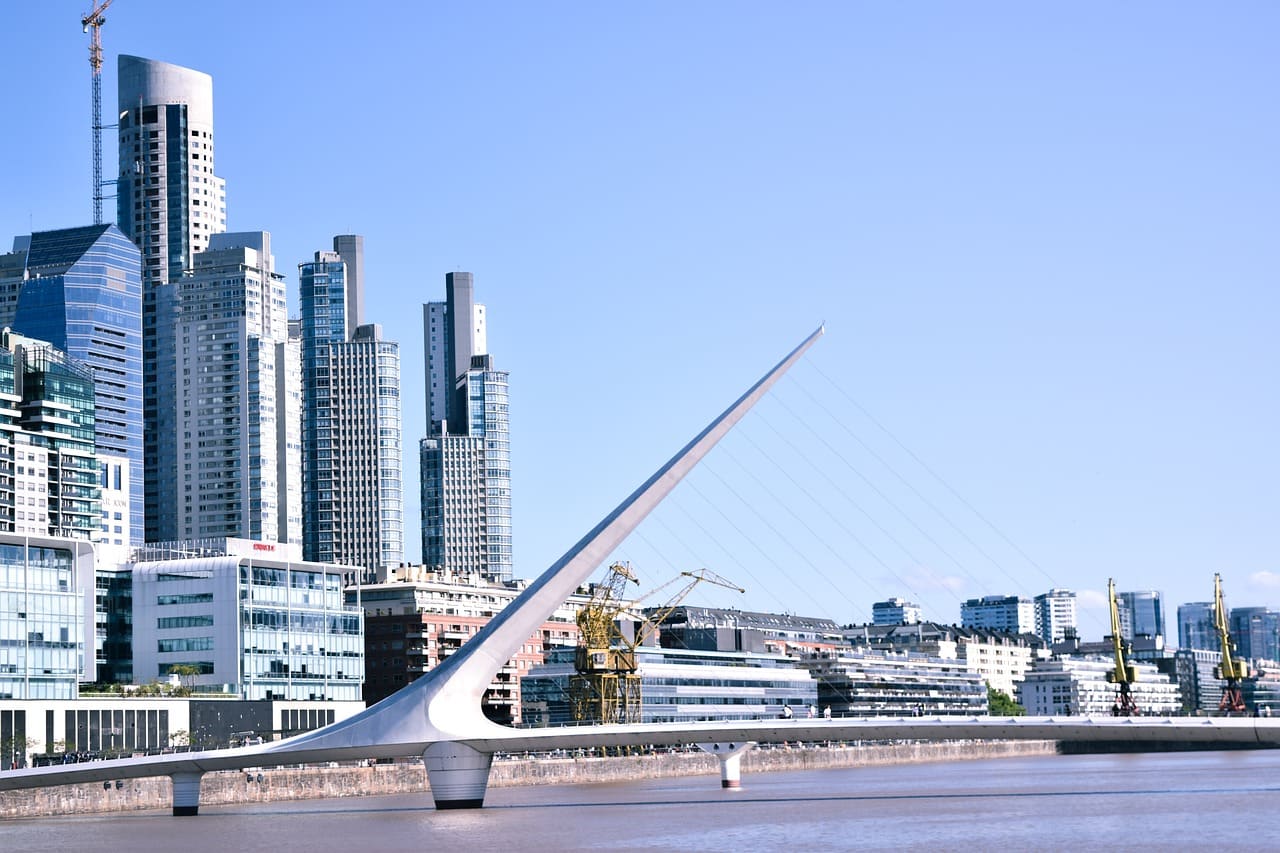
💡 About Buenos Aires
Buenos Aires, the cosmopolitan capital of Argentina, earned the nickname "Paris of South America" for its sweeping European-influenced architecture, its tree-lined boulevards, its fervent café culture and the passionate intensity with which its residents — called porteños — pursue the pleasures of eating, talking, dancing and debating politics. Between 1880 and 1930, waves of Italian, Spanish, Jewish, Welsh, German and Syrian immigrants arrived at the port of Buenos Aires, each community adding its own flavour to what became one of the most ethnically diverse cities in the Americas, and this genetic and cultural mixing produced a distinct urban identity that is Argentine to the core yet unlike anywhere else on Earth. The city has the highest concentration of psychoanalysts per capita in the world — with over 30,000 licensed practitioners for a city of three million, a ratio unmatched anywhere — earning it the semi-ironic title of the Psychoanalytic Capital of the World; therapy is so culturally normalised here that porteños discuss their analysts' opinions as freely as they discuss football.
Tango — the brooding, sensuous dance form that became a global cultural phenomenon and was inscribed on UNESCO's Intangible Cultural Heritage list in 2009 — was born in the late 19th century in the crowded conventillos (tenements) of La Boca and San Telmo, where Italian and African musical influences fused with the rhythms of the milonga and the habanera to create something entirely new. Buenos Aires has more theatre seats per capita than New York or London, reflecting a culture that takes performance arts with intense seriousness — the Teatro Colón, inaugurated in 1908, is consistently ranked among the world's five greatest opera houses for its extraordinary acoustics and architectural grandeur. The city's asado tradition — the ritual of the weekend barbecue, where prime Argentine beef is slowly grilled over wood coals while friends and family gather for hours — is more than a meal; it is the central social ritual of Argentine life, governed by unwritten rules about cuts, cooking times and the order in which different meats are served.
Buenos Aires' relationship with football borders on the religious: the city's two greatest rivals, Boca Juniors and River Plate, contest the Superclásico — one of the most passionate derby matches in world football — in stadia separated by just a few kilometres in La Boca and Núñez respectively. The city's economy has endured extraordinary turbulence — hyperinflation in the 1980s, the catastrophic default of 2001 when the economy contracted by 28% in a single year, and successive currency crises — yet porteños have demonstrated a remarkable resilience and dark humour in the face of repeated economic disasters that would have broken the spirit of less passionate people.
⭐ Traveller Ratings & Tips
🏆 City Rankings →Rate Buenos Aires
⭐ Known For
🏛️ Top Attractions
- La Boca (Caminito)
- Recoleta Cemetery
- Teatro Colón
- Plaza de Mayo
- San Telmo Market
- MALBA museum
- Palermo parks
🍽️ Local Food
- Asado (Argentine BBQ)
- Empanadas
- Milanesa
- Dulce de leche
- Medialunas
- Mate
- Alfajores