💡 About Gdansk
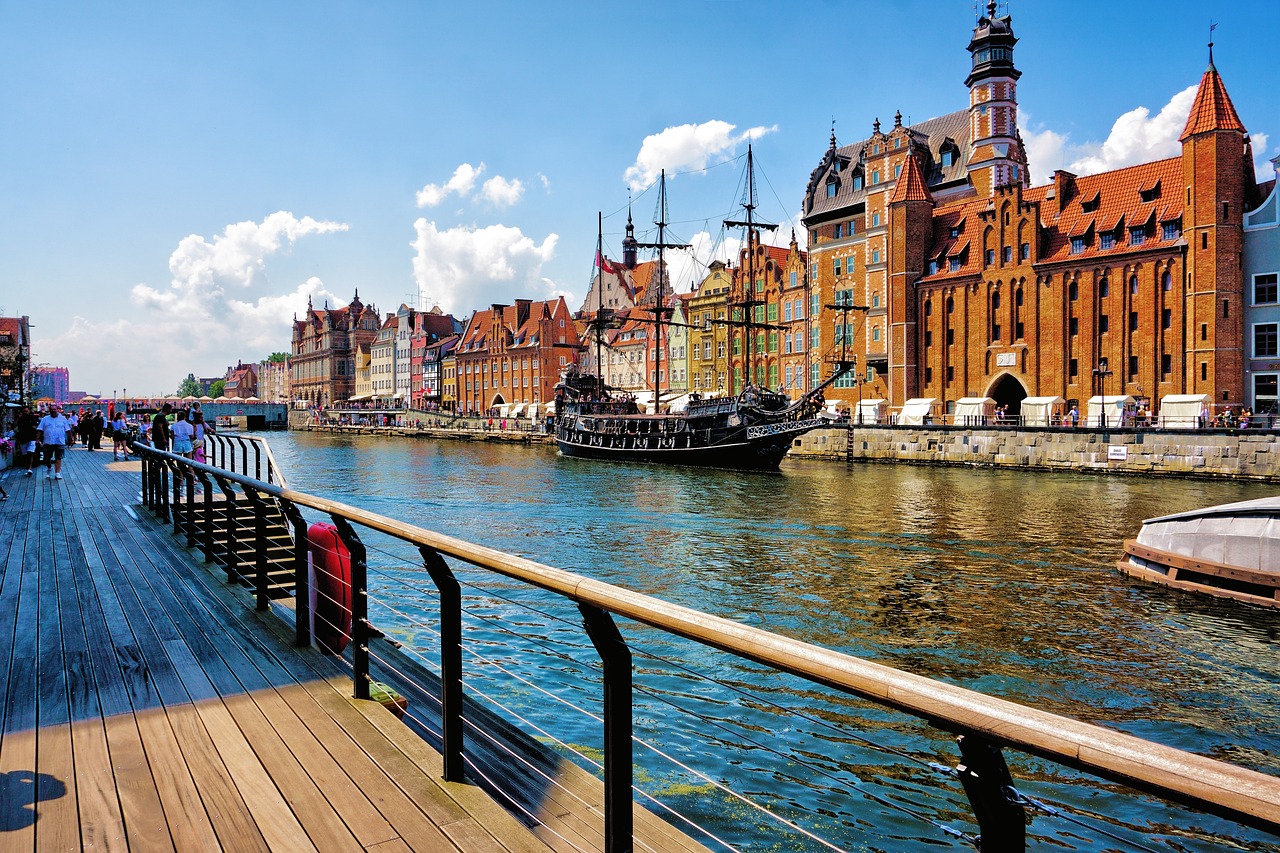
Gdansk, on Poland's Baltic coast, is a city of extraordinary beauty and immense historical significance. For centuries it was a wealthy and semi-independent Hanseatic trading port, and its stunningly reconstructed main street, the Long Market, is lined with tall, ornate merchant houses in a riot of colours and gilded facades.
Gdansk holds a unique place in 20th-century history: it was here, at the Westerplatte, that the first shots of the Second World War were fired in 1939. Four decades later, it was in the city's shipyards that the Solidarity movement, led by Lech Wałęsa, was born — the trade union that helped bring down communism across Eastern Europe.
The city's maritime heritage is everywhere, from the medieval harbour crane on the waterfront to its long tradition as the world capital of amber, the fossilised resin sold in countless shops along its atmospheric streets. Grand Gothic churches, including one of the largest brick churches in the world, tower over the old town.
Rebuilt with loving care after wartime devastation, Gdansk today is a vibrant, sophisticated city with excellent museums and a lively waterfront. Combining Baltic charm, historical weight and architectural splendour, it is one of Poland's great treasures.
⭐ Traveller Ratings & Tips
🏆 City Rankings →Rate Gdansk
⭐ Known For
🏛️ Top Attractions
- Long Market & Neptune Fountain
- European Solidarity Centre
- St. Mary's Church
- Medieval Crane
- Westerplatte
- Mariacka Street
- Museum of the Second World War
🍽️ Local Food
- Pierogi
- Baltic herring
- Żurek
- Fresh fish
- Goldwasser liqueur
- Pączki
- Amber-coloured beer