💡 About Kyoto
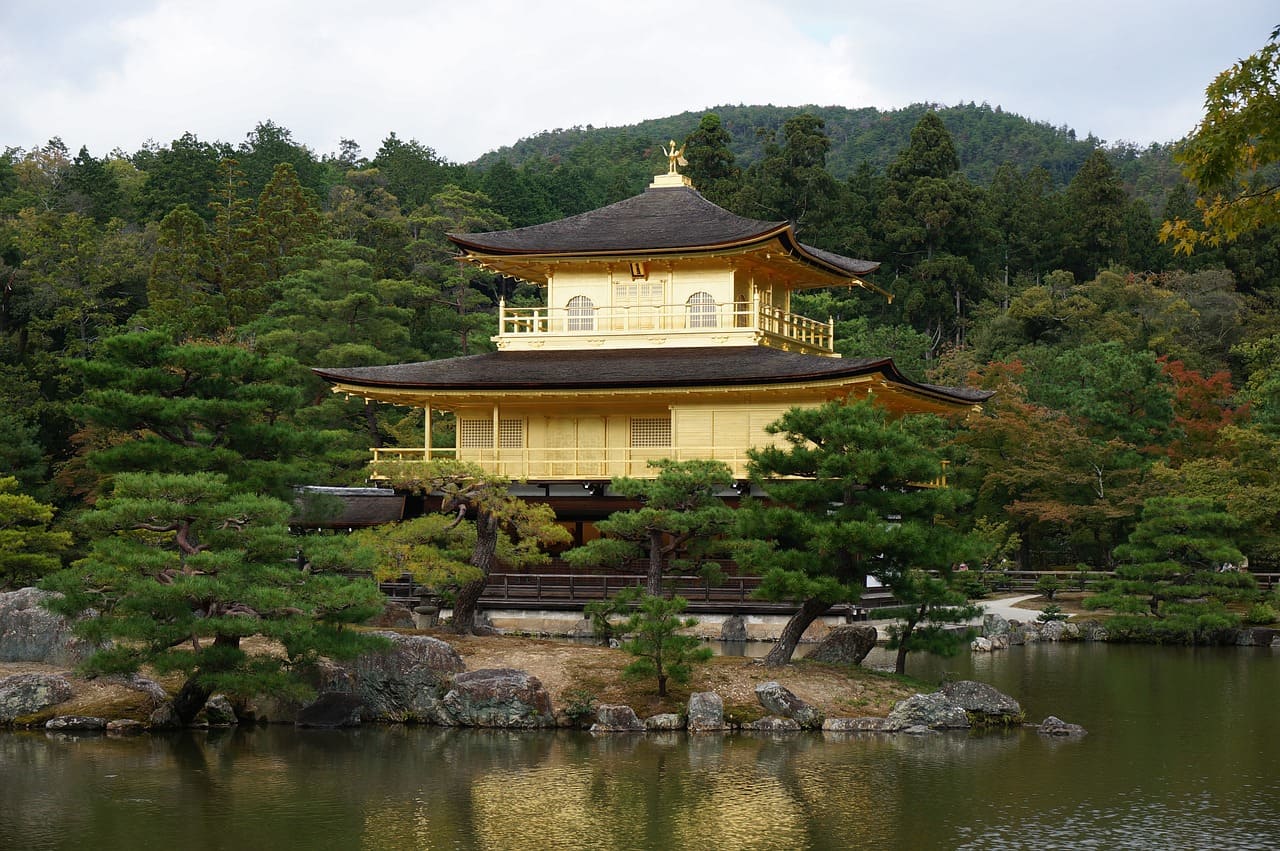
Kyoto, Japan's ancient imperial capital for over 1,000 years (794–1868), is the city that most completely embodies the spiritual, aesthetic and philosophical essence of Japanese culture — a place where Buddhist temples and Shinto shrines, traditional wooden machiya townhouses, exquisitely raked Zen rock gardens, geisha districts, tea ceremony schools, ikebana flower arranging studios and noh theatre stages coexist in a living continuum that stretches from the 8th century to the present day. The city's religious heritage is extraordinary by any measure: its 1,600 Buddhist temples and 400 Shinto shrines include 17 UNESCO World Heritage Sites, among them Kinkaku-ji (the Golden Pavilion, whose top two floors are entirely covered in gold leaf and reflected in the mirror-calm surface of the surrounding pond), the Fushimi Inari-taisha shrine (where thousands of cinnabar-red torii gates donated by businesses and individuals wind 4 kilometres up the sacred mountain of Inari), and Ryoan-ji (whose dry landscape garden of 15 precisely placed rocks in white gravel is considered one of the finest examples of Zen aesthetics ever created). Kyoto's geisha tradition — the most visible surviving example of Japan's ancient entertainment arts — is concentrated in five hanamachi (geisha districts), the most famous being Gion, where maiko (apprentice geisha) and geiko (fully trained geisha) in elaborate silk kimono and white makeup can sometimes be glimpsed in the early evening moving between engagements through the streets of Hanamikoji-dori; becoming a geiko requires approximately five years of intensive training in classical music, dance, tea ceremony, calligraphy and the art of conversation.
The Gion Matsuri, held throughout the month of July and reaching its climax with the Yamaboko Junko parade of 32 enormous decorated floats on 17 July, is one of Japan's three greatest festivals, dating back to 869 AD when it was held to appease the gods during a plague epidemic; some of the floats, which stand up to 25 metres tall and weigh up to 12 tonnes, have been decorated with Flemish and French tapestries purchased by Kyoto merchants in the 16th century and have never been replaced. The city's four seasons are experienced with an aesthetic intensity unique to Japanese culture: cherry blossom (hanami) season in late March and early April draws millions of visitors to sit under flowering trees in parks and temple gardens, sharing food and sake in a tradition of contemplating the beauty and transience of the blossoms that has been practised since the Heian period; autumn koyo (the changing of the maple and ginkgo leaves into shades of crimson, amber and gold) is celebrated with equal passion in November; summer brings the Gion Matsuri and the Daimonji bonfires lit on five mountains around the city on 16 August; and winter snows transform the temple grounds into scenes of silent, monochrome perfection. Nishiki Market, a covered shopping arcade 390 metres long and so narrow that two people can barely pass each other in some sections, has been a food market since the 14th century; its 100-plus stalls sell pickled vegetables, fresh tofu, Kyoto-style sweets (wagashi), grilled skewers of seasonal vegetables and every other ingredient of the kaiseki culinary tradition that is Kyoto's most celebrated contribution to Japanese cuisine.
The city almost escaped destruction in World War II: it was on the list of potential targets for the atomic bombs but was removed by US Secretary of War Henry Stimson, who had visited Kyoto before the war and been struck by its cultural and religious significance; the decision preserved one of the most concentrated collections of cultural heritage in the world, though the city was not untouched by the war's economic devastation. Traditional crafts flourish in Kyoto as nowhere else in Japan: Nishijin silk weaving, Kyo-yaki and Kiyomizu-yaki ceramics, Kyo-Yuzen kimono dyeing, Kyo-lacquerware and Kyo-bamboo crafts support hundreds of artisan workshops whose techniques have been passed from master to apprentice across dozens of generations.
⭐ Traveller Ratings & Tips
🏆 City Rankings →Rate Kyoto
⭐ Known For
🏛️ Top Attractions
- Fushimi Inari Shrine
- Kinkaku-ji (Golden Pavilion)
- Arashiyama bamboo grove
- Gion district
- Nishiki Market
- Kiyomizudera Temple
- Philosopher's Path
🍽️ Local Food
- Kaiseki (multi-course cuisine)
- Tofu ryori
- Yudofu
- Matcha sweets
- Yatsuhashi
- Obanzai home cooking
- Sake tasting
🍽️ Where to Eat in Kyoto
See all 4 →'Kyoto's Kitchen' — a narrow 400m arcade of stalls selling local specialities and street snacks.
📍 View on MapsA lantern-lit riverside alley of traditional restaurants — atmospheric dining after dark.
📍 View on MapsNear the bamboo grove, teahouses serve delicate Kyoto-style tofu cuisine.
📍 View on MapsThe geisha district for refined multi-course kaiseki — Kyoto's highest culinary art.
📍 View on Maps