💡 About Mumbai
Mumbai, formerly known as Bombay until 1995, is the economic engine of India — its commercial capital, its financial centre, the home of its stock exchange, its most important port, and the seat of Bollywood, the world's most prolific film industry, which produces over 1,000 movies per year and sells more tickets annually than Hollywood. The city's legendary Dabbawalas — an army of over 5,000 white-shirted delivery workers who transport home-cooked lunches from the homes of suburban workers to their offices in towers across the city — achieve a near-zero error rate across 200,000 deliveries per day, a logistical feat so impressive that Harvard Business School has published case studies on their system and that earned them a Six Sigma rating from the Forbes Global. Mumbai is built on what were originally seven separate islands — Bombay, Colaba, Old Woman's Island (or Little Colaba), Mahim, Mazagaon, Parel and Worli — which were gradually connected by causeways and land reclamation projects beginning under the Portuguese in the 16th century and continuing under British colonial rule; the resulting narrow peninsula is now one of the most densely populated and expensive pieces of real estate in Asia.
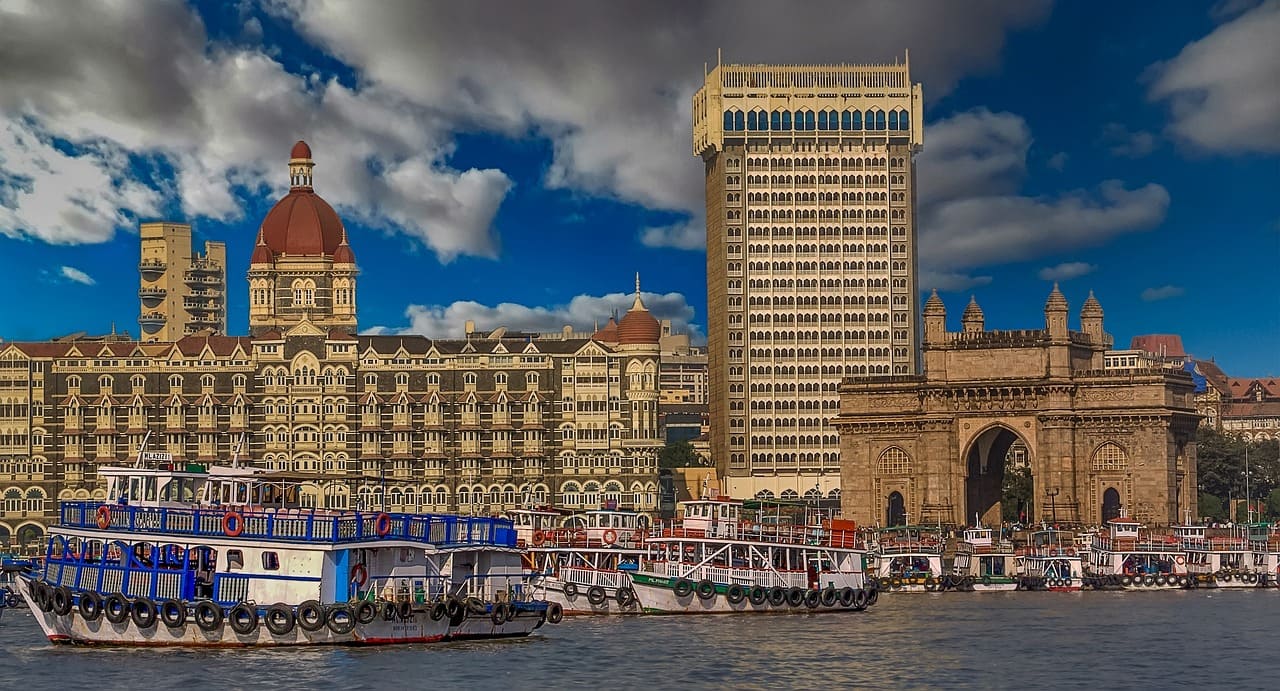
The city's railway system, the backbone of its daily life, carries approximately 7.5 million commuters every day on its three lines — the Central, Western and Harbour railways — making it by a considerable margin the single busiest urban rail network in the world; at peak hours, trains carry more than three times their official passenger capacity, with commuters hanging from the doors and packed into spaces that defy description. Dharavi, located in the heart of Mumbai and covering just 2.3 square kilometres, is home to between 700,000 and one million people — one of the largest informal settlements in Asia — yet it is also a hive of industry, with over 15,000 single-room factories producing leather goods, pottery, textiles and recycled plastics with an estimated annual turnover of over $600 million. The Gateway of India, an imposing basalt arch on the Apollo Bunder waterfront completed in 1924 to commemorate the visit of King George V and Queen Mary, has become the defining symbol of Mumbai; it was the last point from which British troops departed India when the colonial power formally left in 1948.
Mumbai's film industry occupies an entire district — Film City in Goregaon — and the films produced here, from the grand musicals of the 1950s to the action blockbusters of the 2020s, have shaped the cultural imagination of hundreds of millions of people across South Asia, the Middle East, Africa and the Indian diaspora worldwide. The contrast between extreme wealth and extreme poverty in Mumbai is starker than almost anywhere on Earth: the Antilia tower of businessman Mukesh Ambani — a 27-storey private residence estimated to have cost $2 billion — overlooks neighbourhoods where families cook on open fires in streets no wider than a bicycle.
⭐ Traveller Ratings & Tips
🏆 City Rankings →Rate Mumbai
⭐ Known For
🏛️ Top Attractions
- Gateway of India
- Taj Mahal Palace Hotel
- Marine Drive
- Elephanta Caves
- Dharavi
- Chhatrapati Shivaji Museum
- Juhu Beach
🍽️ Local Food
- Vada pav
- Pav bhaji
- Bhel puri
- Dabeli
- Dosa
- Biryani
- Kheema pav