💡 About Rio de Janeiro
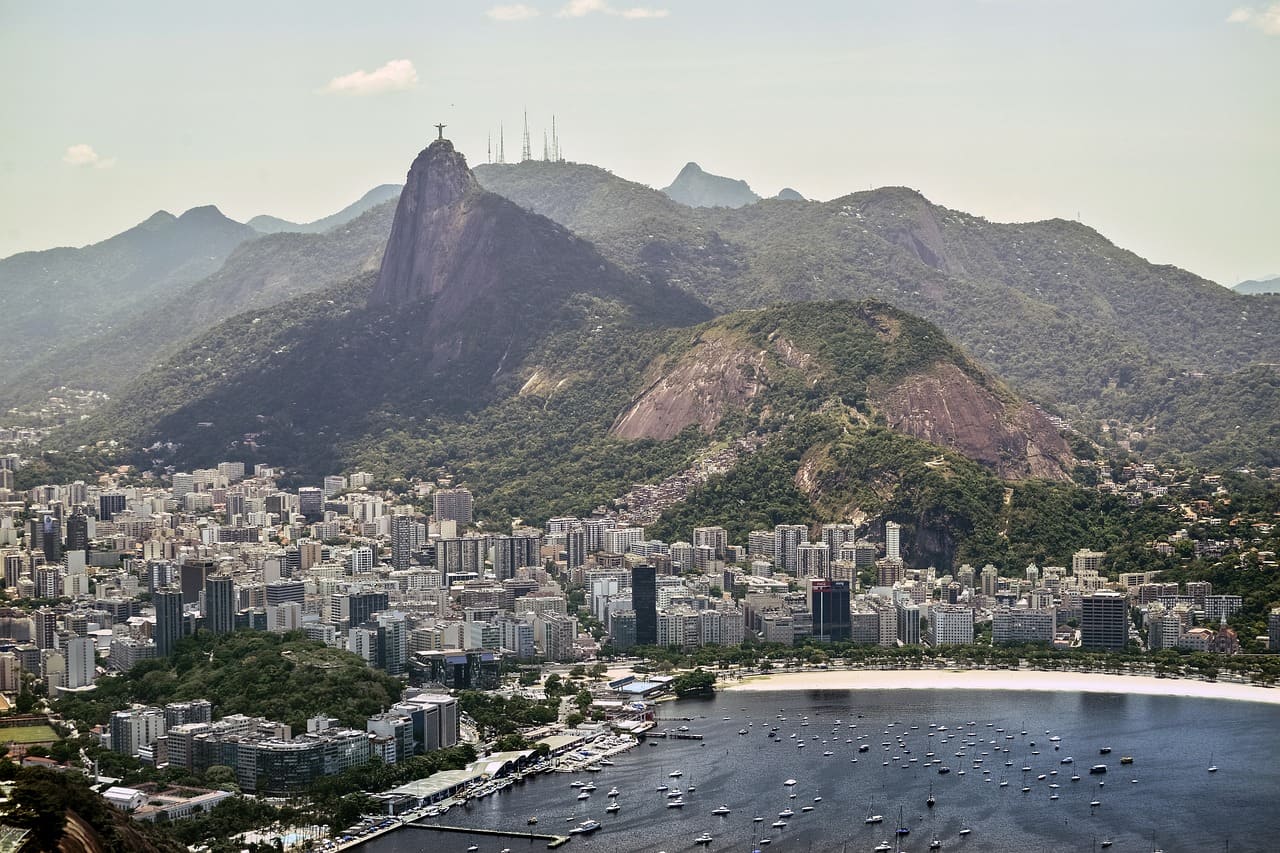
Rio de Janeiro, nestled between soaring granite mountains and the warm waters of the Atlantic Ocean in a setting of almost theatrical natural beauty, is one of the most scenically dramatic cities on Earth — the Portuguese who first sailed into the bay on 1 January 1502 mistook it for the mouth of a great river, and named it Rio de Janeiro: River of January. The Christ the Redeemer statue, rising 38 metres above the summit of Corcovado mountain at 710 metres altitude, is one of the New Seven Wonders of the World and can be seen from virtually anywhere in the city, its outstretched arms appearing to embrace the metropolis below; it is struck by lightning three to four times per year, and the right thumb was destroyed and repaired in 2014. Rio's Carnival is the largest festival on Earth, a four-day explosion of music, dance and costume that draws over two million people into the streets each day at its peak — the Sambódromo parade, where samba schools of up to 3,000 dancers and musicians compete in sequinned extravagance, is broadcast live to hundreds of millions of viewers worldwide.
The city's legendary beaches — Copacabana, Ipanema, Leblon, Barra da Tijuca — stretch for 90 kilometres in total and serve as the city's true public living room, where cariocas (Rio's natives) of every age, class and background converge to play football, volleyball and footvolley, swim in the surf and socialise in a culture of joyful inclusiveness that has no equal. Rio hosted the 2014 FIFA World Cup Final, watching in agonised silence as the host nation Brazil was beaten 7–1 by Germany in the semi-final — the most traumatic result in Brazilian football history — and then hosted the 2016 Summer Olympics, the first held on South American soil. The Tijuca Forest, which covers the mountains rising dramatically from the southern zones of the city, is the world's largest urban rainforest — 32 square kilometres of Atlantic rainforest harbouring toucans, monkeys and hundreds of orchid species, all within 15 kilometres of the city centre.
Rio's street music scene — where samba, bossa nova, funk carioca and pagode emerge from neighbourhood bars, street corners and community squares — is one of the most vibrant and original in the world, and genres born here have influenced popular music globally for over a century. The social inequality visible in Rio is among the most extreme in the world: glamorous beachfront apartments in Ipanema overlook the hillside favelas (informal communities) that house nearly a quarter of the city's population — communities with their own rich cultural traditions, extraordinary entrepreneurship and deep community bonds.
⭐ Traveller Ratings & Tips
🏆 City Rankings →Rate Rio de Janeiro
⭐ Known For
🏛️ Top Attractions
- Christ the Redeemer
- Sugarloaf Mountain
- Copacabana Beach
- Ipanema Beach
- Tijuca National Forest
- Maracanã Stadium
- Santa Teresa neighbourhood
🍽️ Local Food
- Feijoada
- Churrasco
- Pão de queijo
- Açaí bowl
- Coxinha
- Brigadeiro
- Caipirinha