💡 About Seoul
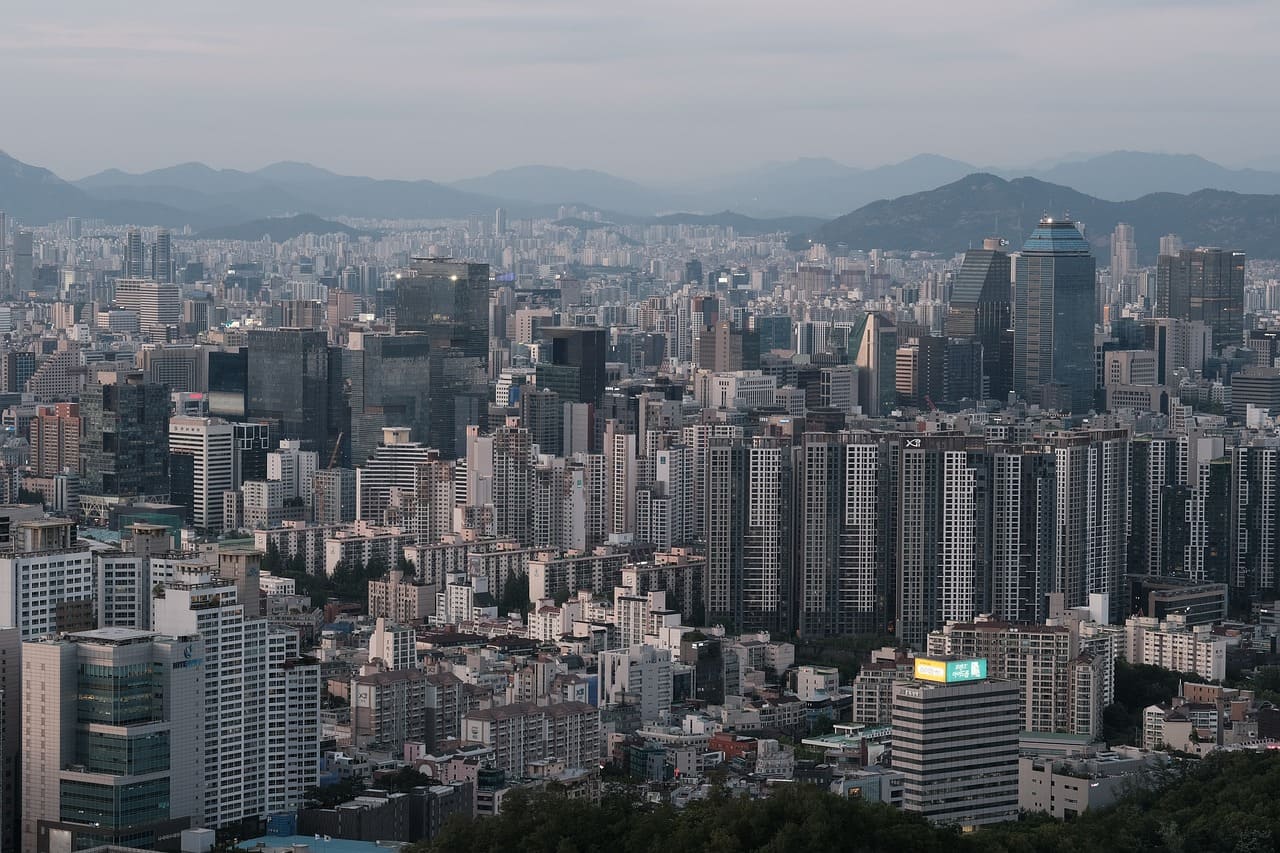
Seoul is a city of extraordinary historical depth and contemporary dynamism — a capital that has been inhabited for over 2,000 years, served as the heart of the Joseon dynasty for five centuries, was occupied and colonised by Japan for 35 years, devastated by the Korean War (1950–1953) in which 80% of its buildings were destroyed, and then rebuilt from rubble into one of the world's most technologically advanced and culturally influential cities within a single lifetime. The five grand royal palaces of the Joseon dynasty — Gyeongbokgung, Changdeokgung, Changgyeonggung, Deoksugung and Gyeonghuigung — survive in varying states of completeness in the heart of the modern city, their vast courtyards and painted wooden halls creating islands of historic grandeur surrounded by glass and steel skyscrapers, while guards in period costume perform the ceremonial changing of the watch at the main gates each day. South Korea's capital has the fastest average internet speeds in the world, and the infrastructure of digital connectivity is woven into every aspect of daily life with an integration that no other city approaches: mobile payment systems like KakaoPay and Samsung Pay have made cash virtually obsolete, high-speed Wi-Fi is available in every subway carriage and public space, and the country's 5G network covers virtually the entire metropolitan area.
The Korean Wave (Hallyu) — the extraordinary global cultural phenomenon that has made South Korean pop music, television dramas, cinema, beauty products and cuisine among the most influential cultural exports in the world — has its epicentre in Seoul, particularly in the neighbourhoods of Gangnam (where the entertainment companies SM, YG and HYBE have their headquarters) and Hongdae (where independent music venues and street performance culture have nurtured generations of artists). Seoul's food scene operates at every level simultaneously: from the humble pojangmacha street tents serving soju and fried snacks to office workers at midnight, to the traditional hansik restaurants of Jongno serving multi-course royal court cuisine with dozens of side dishes (banchan), to the Michelin-starred contemporary Korean restaurants of Cheongdam that have placed the city firmly on the global fine dining map. The Han River, which divides the city into its older northern half and the newer, more affluent southern districts of Gangnam and Seocho, is the city's great public amenity: its banks are lined with parks, cycling paths, outdoor swimming facilities, beach volleyball courts and concert stages where millions of Seoulites gather to eat, exercise, sleep and socialise throughout the summer, and at night the river is crossed by bridges that light up in synchronised displays of colour.
Bukchon Hanok Village, a hillside neighbourhood of approximately 900 surviving traditional Korean courtyard houses (hanok) built during the Joseon period, sits improbably in the heart of the modern city between two palaces, its narrow lanes and tile-roofed houses providing a living museum of pre-industrial Korean domestic life. The DMZ (Demilitarized Zone), the 4-kilometre-wide strip of no-man's-land that separates North and South Korea and runs just 50 kilometres north of Seoul — close enough that North Korean artillery could theoretically reach the city in minutes — is one of the most visited and most surreal tourist destinations in the world, where visitors can peer through binoculars at North Korean guard posts and walk through the blue conference huts that straddle the Military Demarcation Line.
⭐ Traveller Ratings & Tips
🏆 City Rankings →Rate Seoul
⭐ Known For
🏛️ Top Attractions
- Gyeongbokgung Palace
- N Seoul Tower
- Bukchon Hanok Village
- Insadong
- Dongdaemun Design Plaza
- Myeongdong shopping
- Han River parks
🍽️ Local Food
- Korean BBQ (samgyeopsal)
- Bibimbap
- Tteokbokki
- Kimchi jjigae
- Japchae
- Korean fried chicken
- Sundubu jjigae