Istanbul Travel Guide: Sights, Neighbourhoods & Tips for 2026
Istanbul is most rewarding when you use its waterways and neighbourhoods to organise the visit. The historic peninsula, Galata and the Asian-side districts each offer a different view of the city, but they are not all a short walk apart. This Istanbul travel guide turns the mosques, palaces, markets and ferry crossings into a practical first trip rather than a crowded sequence of photographs.
Byzantine and Ottoman history remain visible alongside daily life in a large modern city. Four or five days allow the principal monuments and a crossing to the Asian side without treating it as a novelty. Check current travel advice before booking, then plan with enough flexibility for weather, prayer schedules, queues and transport changes.
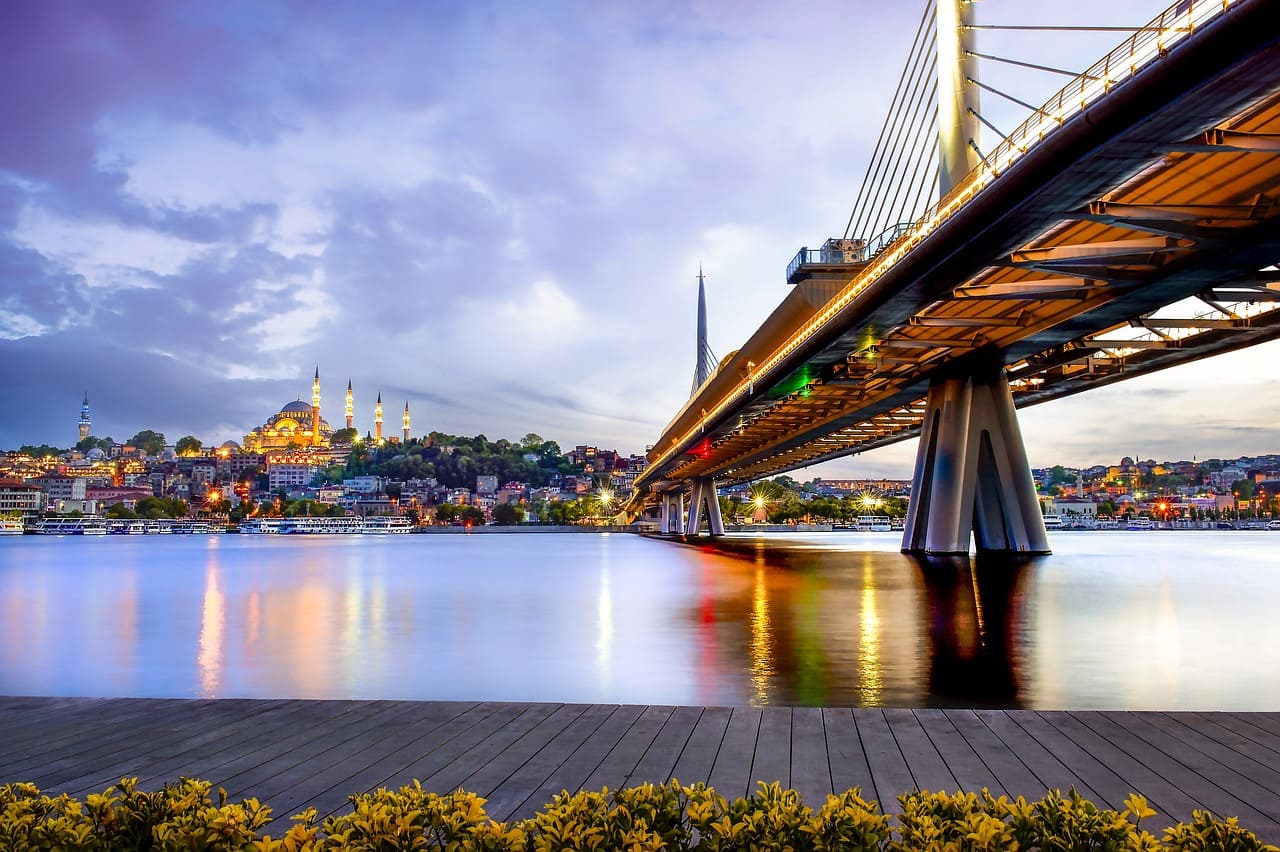
The historic peninsula, Galata slopes and Asian-side waterfronts each reveal a different Istanbul. Visit Istanbul — municipal tourism guide helps connect monuments with neighbourhood outings, so the visit need not remain inside Sultanahmet. A palace day, a bazaar walk and a Kadıköy ferry outing form a more varied introduction than several consecutive queues at the city's largest interiors.
Where to stay in Istanbul: the peninsula, Karaköy or the Asian side
Sultanahmet favours the headline monuments, while Sirkeci adds waterfront and tram connections useful for moving around the peninsula. A short map distance can still involve cobbles or a hill, so choose the hotel entrance and nearest stop as part of the arrival route. For a first trip dominated by historical interiors, this area reduces morning travel. Evening food outings in Karaköy or Kadıköy can then become separate experiences rather than a reason to change accommodation every night.
Karaköy and the area towards Galata suit visitors who want cafés, galleries and a different evening atmosphere. The hills matter, so read walking directions rather than assuming a short distance is an easy walk. Beyoğlu has a broad range of accommodation, but nightlife streets can be noisy. A quieter room or a position slightly away from the busiest strip can be more useful than a balcony over a famous pedestrian street.
Kadıköy is a good choice for travellers deliberately spending time on the Asian side, particularly for food and local neighbourhood exploration. For a short first visit dominated by Sultanahmet, the repeated crossings may be less convenient. Evaluate the full airport journey and how you will return after dinner. Istanbul has more than one major airport, and your actual arrival point changes the transport plan substantially. Do not choose a hotel merely because its marketing says it is central.
A Sirkeci base favours tram and waterfront connections; Karaköy trades some monument proximity for cafés and an evening around Galata. Compare that pattern in the city-cost comparison tool. For the packing planner, include shoes that cope with slopes, a layer for a breezy ferry and clothing suitable for mosque visits rather than packing only for daytime temperature.
Istanbul's historic peninsula: mosques, Hagia Sophia and Topkapı
Hagia Sophia's present building was completed in 537 as a Byzantine church. It later became a mosque, spent a period as a museum and returned to mosque use in 2020. Visitor areas and worship access are distinct practical matters. Confirm the current tourist-entry arrangements on the responsible site's visitor information once, rather than assuming an old museum-pass description still applies. Modest dress and respectful behaviour are essential around religious use, regardless of whether you hold a tourist ticket.
The nearby Sultan Ahmed Mosque, commonly called the Blue Mosque, is also an active place of worship. Tourist entry can be affected by prayer, and modest clothing requirements are part of the visit rather than an inconvenience to negotiate away. Read the signs, follow staff guidance and avoid photographing worshippers without permission. The surrounding area provides space for an unhurried walk instead of turning two significant buildings into a ten-minute stop.
Topkapı served as the Ottoman court's palace for centuries, with successive additions to its courtyards and buildings. Give the visit a substantial part of a day: imperial collections, architecture and waterfront views reward more than a quick circuit. The palace's ticket page sets access to particular sections. For a traveller interested in ancient objects rather than another royal interior, the archaeological museums provide a different emphasis on the peninsula; choose according to the history you want to explore.
Bazaars, Galata and the Bosphorus beyond the postcard
The Grand Bazaar is a place to browse and compare, not a requirement to buy something expensive. Shops vary, and the atmosphere is commercial as well as historical. Ask about materials, price and shipping arrangements before committing to a substantial purchase. Bargaining can be appropriate in some contexts, but it is not the same as disputing a clearly fixed food price. Keep your route and meeting point clear because covered passages can be disorienting.
The Spice Bazaar and the surrounding streets can be combined with the waterfront, leaving time to observe ordinary shopping alongside visitor-focused stalls. Cross towards Karaköy and Galata for a different set of streets and views. The tower is one possible paid attraction, not the only way to appreciate the neighbourhood. If the queue or price does not appeal, explore the area and choose a café or museum instead.
A ferry crossing to Kadıköy or Üsküdar puts the Asian shore into a real neighbourhood day. A Bosphorus sightseeing cruise instead follows a longer stretch of the strait for scenery and commentary. Choose between those purposes before boarding; the boats are not interchangeable simply because they all leave a busy waterfront. Make the return sailing part of the outing, with enough room for a meal or walk to turn the crossing into more than a skyline photograph.
Getting around Istanbul: trams, ferries and realistic travel times
Use the tram and rail network for predictable city journeys where routes fit, with ferries as transport rather than just an excursion. Check the current Istanbulkart and visitor-payment arrangements before buying or loading a product. Eligibility, transfers and payment options can change, and different products may not have identical benefits. A route-planning result does not by itself confirm that every leg uses the same fare rules.
Istanbul's road congestion can make taxis slower than the tram or rail network on suitable routes. For a peninsula day, keep the main visits around Sultanahmet and the waterfront; for Galata, expect hills after the crossing. Airport travel needs a larger time margin than an ordinary neighbourhood connection. Choose an authorised taxi when it solves a real luggage or late-arrival problem, and use the operator's service information for disruption rather than a stranger's urgent sales claim.
The historic streets and hills can be tiring, especially with heat or reduced mobility. A technically short connection may include stairs and uneven paving. Check accessible entrances and boarding arrangements for the route you actually intend to take. Keep a workable return plan when visiting the Asian side or a distant waterfront district in the evening. A trip becomes more enjoyable when one missed ferry is a minor adjustment rather than a threat to an expensive reservation elsewhere.
Metro Istanbul is useful for separating metro and tram journeys from Istanbul's road traffic. Use the T1 tram for a peninsula-based day where the route fits, then plan a ferry as its own cross-city connection. Kadıköy and Üsküdar are different destinations, so decide which neighbourhood you want before walking onto a boat.
Istanbul food: breakfasts, meze and separate neighbourhood outings
Start with simit or a Turkish breakfast, but decide whether a substantial breakfast fits the day's schedule and appetite. Menemen, cheeses, olives and bread can form a meal worth lingering over rather than a quick stop between museum bookings. Tea and coffee have distinct local preparations; ask how a drink is served if you want to avoid an unexpected level of sweetness or a very different style from home.
For lunch or dinner, look for a focused place serving a dish well: soup, grilled meats, vegetable dishes or a selection of meze. A fish sandwich near the waterfront is a separate choice from a longer seafood dinner. Karaköy and Kadıköy can each support a deliberate food outing, but do not spend the whole trip travelling to scattered addresses. Read menus and confirm prices before ordering, especially when choosing fish by weight or adding several small plates.
The Istanbul restaurant page helps with discovery; the business itself is the source for reservations and dietary needs. Explain allergies clearly, including nuts in sweets or ingredients in shared dishes, and do not assume that a vegetable dish is free of all animal ingredients. Baklava or another sweet makes a good final stop, but buying an enormous assortment is optional. Markets and food shops are businesses used by residents: give staff room to work and ask before taking close-up photographs.
A four- or five-day Istanbul itinerary across both shores
| Day | Area | Priority |
|---|---|---|
| 1 | Sultanahmet | Allow religious-site access to shape the route. |
| 2 | Topkapı and the peninsula | Make the palace the main activity. |
| 3 | Bazaars, Karaköy and Galata | Leave browsing and walking time. |
| 4 | Kadıköy or Üsküdar | Use a ferry for a proper neighbourhood outing. |
| 5 | Optional additional day | Choose the Bosphorus or another museum. |
Begin with Sultanahmet and one or two religious or historical visits, keeping lunch nearby and allowing for actual access arrangements. Topkapı belongs on a separate substantial morning or day if the palace interests you. In between, the peninsula's streets and waterfront provide a useful break from interiors. An arrival day can be lighter, particularly when the airport transfer or a late flight has already used much of your energy.
Another day can link the bazaars, Eminönü, Karaköy and Galata, provided the walking and hills suit you. Do not attach a rigid tower slot to a day whose pace depends on shopping and browsing. Use a fourth day for a ferry to Kadıköy or Üsküdar, with a meal and a neighbourhood walk before returning. These are lived-in districts, not merely places to take a photograph of the European shoreline.
A fifth day allows a longer Bosphorus journey, another museum or a return to a neighbourhood you liked. Choose according to weather and your interests rather than treating every extra day as a reason to add a distant excursion. In rain, reserve a cultural interior and keep waterfront time flexible. During hot periods, avoid putting the most exposed walks into the middle of the day. A sustainable pace leaves time for tea, navigation and the occasional transport delay.
Hagia Sophia and Topkapı make Istanbul a natural inclusion in our guide to cities for history lovers, but their historical roles differ from the temples and ruins in other cities. For a second angle, our worldwide food-city guide helps turn meze, breakfast and neighbourhood meals into priorities. Keep one Asian-side lunch in the route rather than concentrating every meal near the major monuments.
Istanbul budget, seasons, entry rules and current advice
The approximate 2026 daily range above is expressed as a euro equivalent for planning, not a promise about a fixed lira conversion. It assumes a person sharing a modest private room, ordinary meals, local transport and some paid sightseeing, excluding international travel and shopping. Recheck accommodation and admission quotes for your dates. Currency changes and local price adjustments can make an old numerical budget misleading even when the itinerary remains useful.
Spring and autumn are useful for walking the peninsula and Galata, but a layer matters on a breezy ferry even when a square feels warm. Summer brings heat and heavier sightseeing demand; winter can mean cold rain and shorter daylight. Include mosque-appropriate clothing and split exposed walking from the longer interiors. Religious holidays affect daily patterns, so the main venue's visitor information should guide its slot rather than a blanket assumption that all attractions follow one timetable.
Confirm passport-specific entry requirements with Türkiye's Foreign Ministry and use its application links when an e-Visa is relevant. Read government travel advice alongside insurance terms: restrictions in other parts of Turkey should not be transferred carelessly to Istanbul, while regional developments still matter to flights and plans. Athens is a separate history-focused alternative, with different sites and urban rhythms. Choose it for its own attractions, rather than treating distinct cultures as substitutes with identical experiences.
If the appeal is layered history with waterfront transport, use destinations similar to Istanbul as a starting point for the next trip and the destination finder to weigh culture against food. For this visit, the visa planning tool organises passport-specific visa questions. In the currency converter, convert the lira budget using your payment provider's rate as well as the indicative exchange rate.
Frequently asked questions
Is four days enough for Istanbul?
Four days give room for the historic peninsula, a palace visit, the bazaars and a ferry outing to an Asian-side neighbourhood. Five days allow a more relaxed pace or another museum. Keep transfer times realistic and allow religious-site access, weather and current conditions to shape the final order.
Can tourists visit Istanbul's mosques?
Many welcome respectful visitors under their current access arrangements, which can change around prayer and other religious use. Follow dress requirements, posted instructions and staff guidance. Hagia Sophia has its own tourist-access arrangements, so do not assume that every mosque uses identical entry rules or ticket coverage.
Which airport should you plan for in Istanbul?
Use the airport and terminal shown on your actual booking: Istanbul has more than one major airport, with different city connections. Compare the complete journey to your accommodation rather than a generic transfer time. Allow additional flexibility where traffic, service changes or current regional developments could affect travel.
Links & Resources
Official sights, culture and planning
- Şehir Hatları — municipal ferries: Bosphorus and cross-city ferry routes and schedules.
- Istanbulkart: Official transport payment information and announcements.
- Turkish museums — visitor portal: Museum admissions, opening arrangements and passes.
- National Palaces: Topkapı and Dolmabahçe visitor information.
- Istanbul Modern: Exhibitions and official museum information.
- UNESCO — Historic Areas of Istanbul: Background on the city's protected historical areas.
- Türkiye Foreign Ministry — visa information: Passport-specific requirements and links to official application services.
- UK government — Turkey travel advice: Regional risks, entry requirements and safety guidance.
On GuesTheCity
- Explore the city map: Distinguish the peninsula, Galata and Asian-side waterfronts.
- Play Guess the City: Try recognising Istanbul’s skyline and religious monuments.