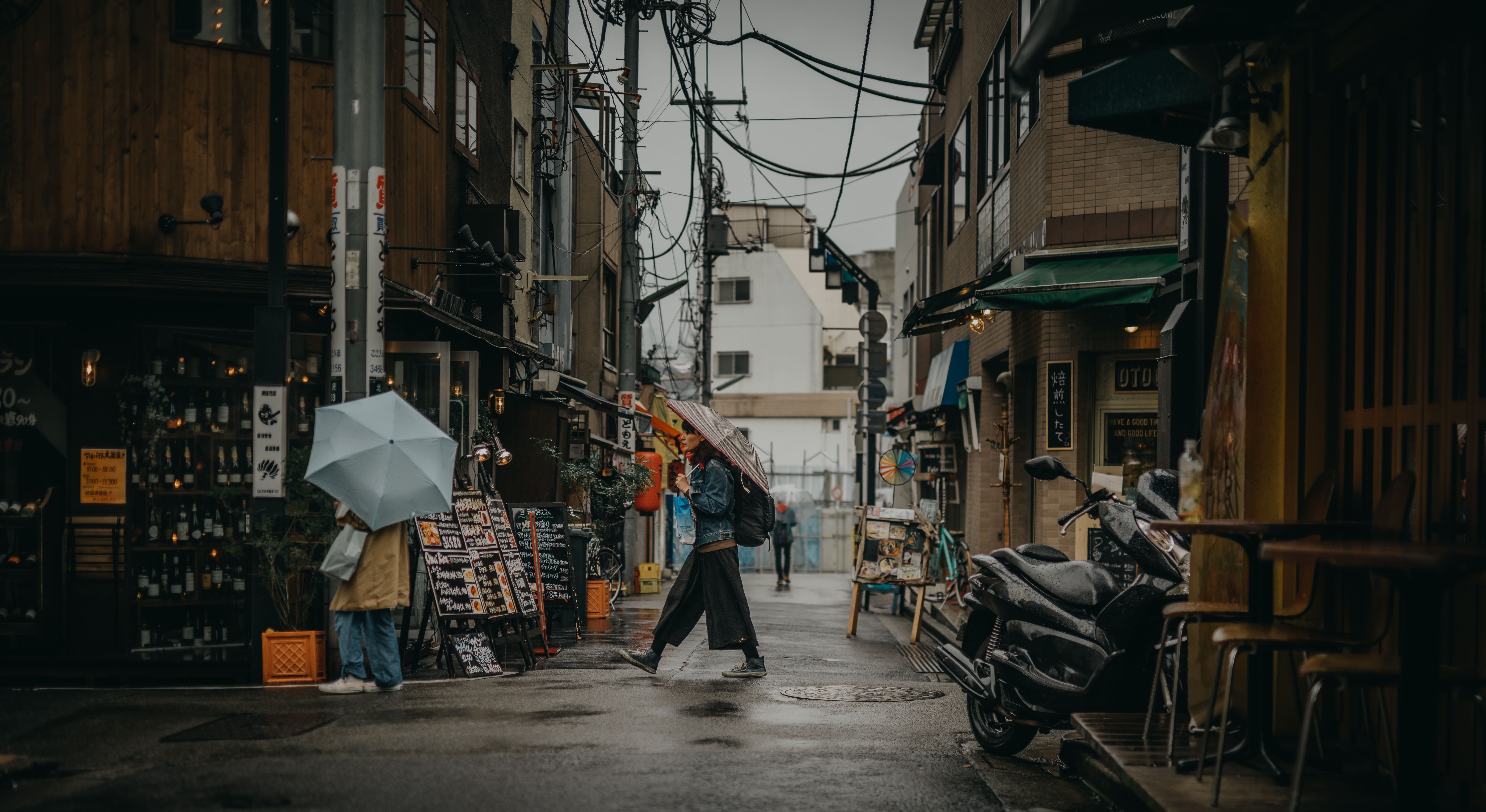
8 Best Cities for Food Lovers: Signature Dishes and Dining
A food-led city break becomes memorable through a few meals chosen for a reason: a particular cooking tradition, an ingredient or a chef's interpretation of a familiar dish. Tokyo and Lima offer very different ways to build that trip, while Bologna, Lyon and Oaxaca reward attention to regional names. This selection of eight cities combines signature dishes with restaurant culture, including the possibility of one ambitious meal alongside simpler everyday eating.
Start with what you want to taste, then decide how much ceremony you enjoy. A long tasting menu, a traditional dining room and a counter serving one speciality are different experiences. The street-food selection concentrates on portable and market meals; the Asian food guide explores regional distinctions within Asia. Here, the focus is a complete city visit organised around restaurants and recognisable dishes.
Japanese precision and Singaporean variety
1. Tokyo: choose a speciality before a restaurant
In Tokyo, begin with one interest such as soba, tempura, sushi or yakitori. A specialist counter can make technique easier to observe than an oversized menu offering everything. The move of the wholesale market to Toyosu in 2018 did not close Tsukiji Outer Market, which remains useful for food browsing. The Tsukiji district website explains that distinction and its businesses.
For a four-day food visit, spread a sushi meal, a noodle lunch and a chosen higher-end reservation across separate days. Leave space for another dish discovered locally. The Tokyo restaurant page can help organise options, but select for cuisine and format rather than chasing an unsupported claim about the city's total number of stars. Dietary requirements need clear communication before a fixed menu is booked.
2. Singapore: make the city visit a comparison of traditions
Singapore allows Hainanese chicken rice, laksa and nasi lemak to sit within one compact food trip without treating them as interchangeable dishes. Hawker culture received international UNESCO recognition in 2020. A restaurant-led visit can explore how those traditions appear in contemporary cooking, then return to a simpler meal for context. Tiong Bahru, Chinatown and Kampong Gelam provide different neighbourhood settings.
Give one longer dinner an otherwise light afternoon, especially if it involves a tasting menu. A hawker meal on another day provides a different service style and price structure; neither is automatically more authentic. The UNESCO hawker-culture entry describes the social practice, rather than awarding heritage status to every individual stall or plate of food.
European traditions with a clear local vocabulary
3. Bologna: pasta names carry useful information
Bologna is a strong choice for travellers who want to understand a regional kitchen through repeated, carefully chosen meals. Tagliatelle al ragù, tortellini in brodo and mortadella provide three distinct leads. They explain more than a generic instruction to eat pasta. The Quadrilatero market streets make a useful introductory walk, with shopping and a sit-down meal treated as separate activities rather than continuous tasting.
Two or three full days allow a traditional lunch, another pasta preparation and time for the university city's streets. A cooking class can be worthwhile when its format identifies the pasta, duration and hands-on element. Choose a meal for the preparation you want to understand. A shorter menu and a clear regional focus may be more useful for this trip than ordering every celebrated Italian dish in one restaurant.
4. San Sebastián: pintxos and a deliberate dining-room meal
San Sebastián suits a food break that alternates the Parte Vieja's pintxos with one restaurant reservation. A gilda combines olive, anchovy and pickled pepper, while dishes such as txangurro introduce another Basque coastal interest. Gros offers a different neighbourhood setting from the old town. These specific choices give the visit more shape than a claim that every bar is equally outstanding.
For an ambitious dinner, read the actual tasting-menu format, duration and cancellation terms. On another day, choose two or three pintxos stops and enjoy what each does well instead of attempting a competitive bar count. The city also has La Concha and Zurriola for a change of pace. A waterfront walk can make the gap between lunch and dinner enjoyable without turning the whole holiday into another sequence of bookings.
5. Lyon: learn the bouchon repertoire
In Lyon, a bouchon offers a particular dining tradition rather than a generic name for any French bistro. Quenelles, salade lyonnaise and praline tart are useful dishes to recognise, with ingredients and preparations varying by restaurant. Les Halles de Lyon Paul Bocuse supplies another food setting, while the Presqu'île and Vieux Lyon create different walking sessions around the meals.
Choose Lyon if you enjoy a substantial traditional lunch as much as an ambitious modern dinner. Three days can include both, with a market visit on a separate morning. Read menus carefully if you avoid offal or other ingredients common in traditional regional cooking. The useful distinction is personal preference: a historically interesting dish still needs to be something you actually want to eat. Ask for an explanation rather than ordering solely for the name.
Mexican cities with different regional perspectives
6. Mexico City: explore a cuisine beyond one famous snack
Mexico City offers a route from tamales and tacos al pastor to restaurants examining regional ingredients and contemporary Mexican cooking. Roma, Condesa and Centro Histórico provide different bases for that exploration. A high-end meal can be a meaningful splurge, but a city food visit also benefits from understanding everyday dishes and the neighbourhood where the restaurant operates.
Set one major reservation within a four-day visit and keep other meals adaptable. The Mexico City dining selection helps group possible stops. A menu using maize, beans, chillies and local produce may communicate a strong culinary idea without requiring the longest possible tasting sequence. When an ingredient or sauce is unfamiliar, ask about it; complexity is easier to appreciate with an explanation than with a photograph alone.
7. Oaxaca: distinguish the moles and the makers
Oaxaca is useful for travellers interested in sauces, maize and the relationship between restaurants and regional producers. Mole negro and mole coloradito are different preparations, not simply two labels for one chocolate sauce. Tlayudas provide another specific starting point. Mercado 20 de Noviembre and Mercado Benito Juárez have distinct functions and should be approached as working markets as well as visitor destinations.
Allow three days for a focused introduction, with a guided or self-directed food session on one day and a chosen restaurant on another. A mezcal tasting is optional and deserves its own transport and consumption decisions. Ask a restaurant about the origin of an ingredient or the character of a mole, rather than assuming every recipe is fixed across the region. Oaxaca's interest lies in those differences and the people maintaining them.
A Pacific city where food can anchor the whole visit
8. Lima: ceviche, causa and contemporary interpretation
Lima combines Peruvian coastal cooking with the culinary histories of migration and exchange. Ceviche, causa and lomo saltado provide three distinct points of entry. Nikkei cooking describes Japanese-Peruvian culinary connections, while chifa concerns Chinese-Peruvian traditions. These terms are more informative than describing every inventive plate as fusion. Miraflores and Barranco offer different restaurant and walking settings within the wider city.
Give Lima three full days if food is the main reason to stop. Put an extended restaurant meal on a different day from a large museum visit, and leave time to understand a simpler preparation. Fresh seafood requires a suitable establishment and handling; popularity alone does not establish that. A coastal walk or the Larco Museum gives the trip another dimension, especially when the weather is cloudy and the focus remains comfortably indoors.
Build meals into a city itinerary
An illustrative four-night Tokyo visit could place soba at lunch on the first full day, the main reservation on the second and a district food walk on the third. This is a meal-planning example, not a commercial tour. Keep the special dinner away from a late international arrival. Reservations should fit the energy of the trip, and a normal breakfast leaves more room for a memorable lunch than another elaborate scheduled experience.
The budget planner helps divide spending between one chosen restaurant and ordinary meals. Use the phrasebook to prepare ingredient questions and dietary vocabulary, then communicate directly where a restriction matters. The coffee-city guide provides another way to enjoy the spaces between meals. Confirm current menus, prices and service times with the selected restaurant once before committing to a booking.
Frequently asked questions
Which city suits a first food-focused holiday?
Bologna is a manageable choice for a compact trip centred on a few recognisable dishes, while Singapore offers several culinary traditions within a well-connected city. Tokyo and Lima provide excellent specialist and ambitious dining possibilities when those interests motivate the journey. Begin with the foods you want to understand, then choose the city's pace and restaurant format accordingly.
Should every day include a fine-dining reservation?
A single carefully chosen meal can supply the special occasion without exhausting the budget or appetite. Everyday restaurants, markets and neighbourhood cafés provide context that a succession of long menus may obscure. Spread substantial meals across the stay and leave enough time to walk, visit a collection or simply eat lightly when that suits you.
Is Singapore's UNESCO recognition a restaurant award?
The inscription concerns hawker culture as a social and culinary practice, including community dining and the transmission of knowledge. It does not certify every stall or designate every restaurant as a heritage site. Individual businesses still have their own dishes, service arrangements and standards, which should be considered when deciding where to eat.
Links & Resources
Official tourism and planning sources
- GO TOKYO: Find Tokyo district guides and practical information for a food-led stay.
- Singapore Tourism Board: Explore Singapore neighbourhoods and the cultural context around local dining.
- Bologna Welcome: Discover Bologna’s traditional dishes, market areas and visitor activities.
- San Sebastián tourism: Find pintxos, restaurant and neighbourhood information for a Basque food break.
- Lyon tourism: Browse Lyon’s food traditions, market visits and bouchon dining ideas.
- UNESCO: Historic Centre of Lima: Read how Lima’s historic centre developed within its coastal urban setting.
- UNESCO: Oaxaca and Monte Albán: Learn about Oaxaca’s historic centre and the separate Monte Albán site.
- Mexico City tourism: Explore Mexico City districts and cultural visits to pair with meals.