New York Travel Guide: Sights, Neighbourhoods & Tips for 2026
A first visit to New York works best when you stop treating Manhattan as one enormous checklist. The harbour, the museum mile and the neighbourhoods south of Midtown each deserve their own stretch of time. This New York travel guide helps you choose a base, organise the headline sights and leave room for the meals and street-level discoveries that make the city interesting.
The skyline is only part of the story. New York grew around trade and immigration, and that history still shapes its boroughs, markets and cultural institutions. Use this guide for a four- or five-day first trip, with optional changes for art lovers, families and travellers who prefer walking to observation decks.
The five boroughs give New York several distinct visiting patterns: Manhattan concentrates major museums and theatre, while Queens rewards a dedicated food outing. NYC Tourism — city guide is especially useful for finding an event or neighbourhood walk beyond Midtown.
Where to stay in New York: neighbourhoods before hotel stars
Chelsea is a useful compromise for first-time visitors: there are subway connections, access to the High Line and enough restaurants to avoid travelling for every meal. The Upper West Side suits travellers who want Central Park nearby and a calmer evening base. Midtown is convenient for Broadway and several major sights, but a room beside Times Square can mean crowds and noise rather than a better experience.
Look at the exact block and nearest subway entrance before booking. A hotel described as being in Manhattan may still leave you with a lengthy journey to your chosen attractions. Check whether the room price includes taxes and any compulsory charges, and whether breakfast or luggage storage costs extra. For a short stay, an easy return journey can be worth more than a slightly larger room.
Brooklyn can work well, especially around well-connected parts of Downtown Brooklyn and Williamsburg, but evaluate the route rather than assuming it will be cheaper. Queens is especially interesting for food, with neighbourhoods such as Jackson Heights and Flushing rewarding a deliberate visit. Staying there makes more sense if your itinerary already includes the borough. Avoid planning your first night around an ambitious cross-city journey after a long flight.
A Chelsea room can save journeys between Greenwich Village, the High Line and Midtown; an Upper West Side base trades that proximity for Central Park access. Compare those hotel-and-transit totals in the city-cost comparison tool. In the packing planner, prioritise shoes for hard pavements and a light layer for air-conditioned museums and subway carriages.
New York landmarks: choose a harbour visit and one skyline view
The Statue of Liberty, dedicated in 1886, and Ellis Island work as a combined harbour-history visit. Ferries depart from the Battery in Manhattan and Liberty State Park in New Jersey. Island admission, pedestal access and crown access are different products; allow a substantial part of the day for boarding, security and the museums. Confirm access options and prices on the National Park Service's linked visitor page before buying, and ignore street claims that your reservation has suddenly become invalid.
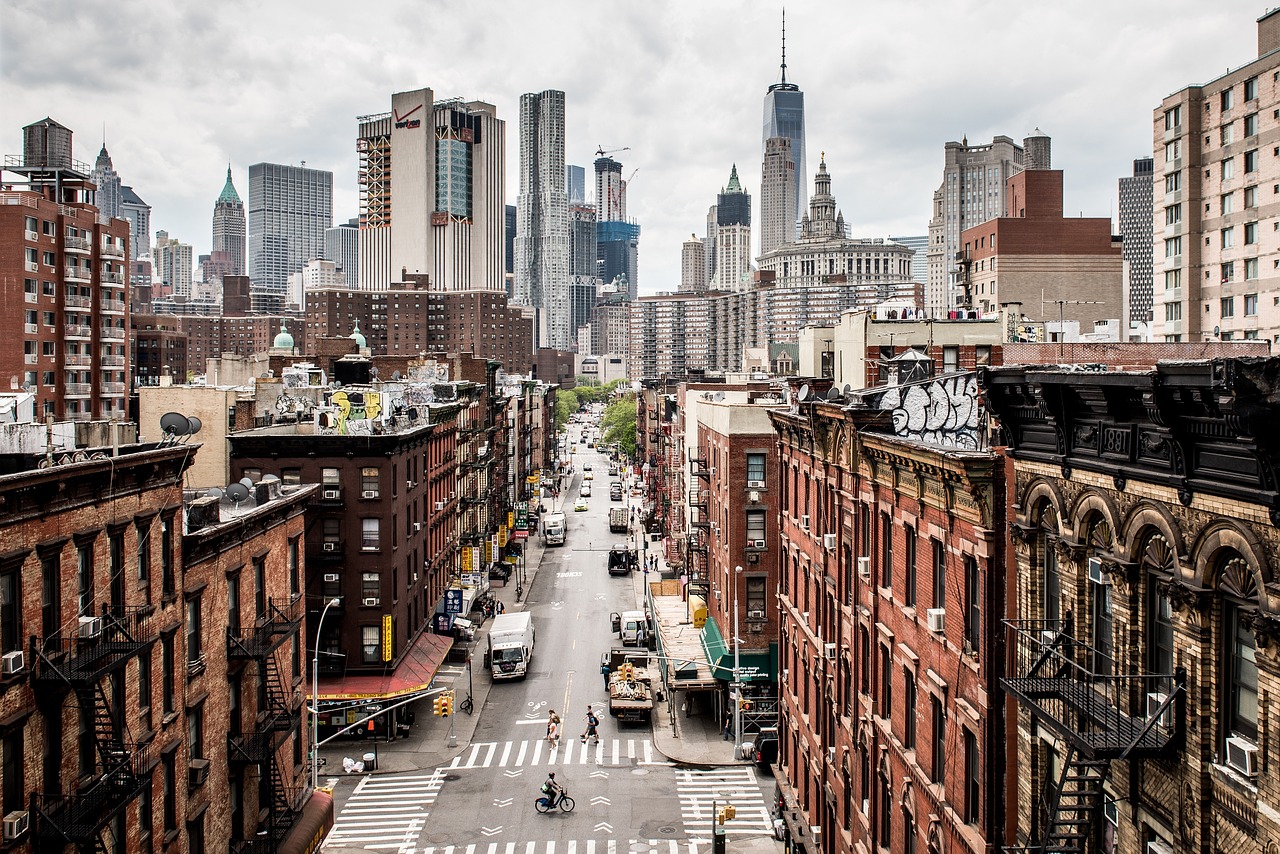
The Empire State Building was completed in 1931 and reaches 443 metres including its spire and antenna. Its Art Deco architecture is part of the experience, while a different deck gives you a view with the building in it. Pick one panorama rather than collecting several. Sunset brings a different atmosphere from daytime, but a clear afternoon can be better for identifying the harbour, rivers and boroughs. Choose the view you want before paying for a premium time band.
Times Square is worth seeing once, preferably as part of a Broadway evening, rather than devoting a whole afternoon to it. Central Park deserves more than a walk around its southern edge: combine Bethesda Terrace, the lake and a section of the Ramble if conditions suit. The High Line offers a separate perspective on former industrial infrastructure, but its narrow paths can be busy. Walk it earlier and descend into Chelsea for a proper meal.
Museums, Broadway and the history behind the skyline
At the Metropolitan Museum of Art, choose a few departments before arrival. The Temple of Dendur, European painting and the American Wing make three very different visits within one building. MoMA is the stronger alternative when modern art is your priority. Admission concessions for local residents are distinct from ordinary visitor tickets; use each institution's ticket page for eligibility and live prices. A museum morning followed by Central Park leaves more room to absorb the collection than two large museums back to back.
The 9/11 Memorial and the museum require different amounts of time. The outdoor memorial is a place for reflection; the museum is a substantial and emotionally demanding visit. Do not sandwich it between a rushed shopping stop and a tightly booked lunch. Lower Manhattan also makes an instructive walking area because the narrow streets contrast with the later grid farther north and explain something of the city's early development.
For Broadway, start with the show you want rather than a promise that every production has cheap last-minute seats. Popular performances may need booking ahead, while flexible travellers can investigate official same-day offers. Read seat descriptions carefully: a restricted view can be a genuine compromise. A smaller theatre production, jazz performance or museum evening can be just as rewarding if it matches your interests and avoids an expensive ticket bought merely because it is famous.
Getting around New York without wasting half a day
Use the subway for longer journeys and walking within a neighbourhood. Check the direction, station entrance and whether a train is local or express. An express service may pass your intended stop, and an entrance on one side of the road may serve only one direction. Large stations can take time to navigate, so build a buffer into any journey leading to a timed attraction or a theatre curtain.
OMNY contactless payment is used on the subway and MTA buses. A physical bank card and its phone-wallet version are separate payment methods, so use one consistently when a fare benefit depends on repeated rides. Airport travel involves additional systems and charges, rather than a single universal subway fare. Confirm the operator's current payment and airport rules once, then plan the full route from your terminal to the hotel instead of stopping at the first city station.
Accessibility varies by station, so travellers who need lifts should use the MTA's elevator-status information for their intended entrance. Taxis are useful for awkward connections or a late return, while rail avoids road congestion. The subway operates around the clock, but late-night and weekend services can follow different patterns from the daytime map. Leave a buffer before a theatre curtain, and choose your return route before the performance rather than assuming every train will follow its usual stops.
In MTA — subway and bus information, look at the line letters and local-versus-express symbols as well as the station names. For the Met, the Lexington Avenue subway puts you east of Central Park; for the High Line, approach from Chelsea rather than crossing town from an uptown museum immediately before a timed visit.
What to eat in New York, from bagels to Queens
A bagel breakfast, a slice of pizza and a deli sandwich are good starting points, but New York's strongest food experiences often come from a particular neighbourhood or community. In Chinatown, choose a noodle or dumpling specialist rather than ordering an enormous mixed menu. In Jackson Heights, a dedicated food outing can include South Asian and Latin American cooking without pretending that the whole borough can be sampled in one lunch.
Compare menus before joining a queue. A photogenic bakery or a viral pizza shop is not automatically worth sacrificing two hours of a short trip. For a memorable dinner, reserve the place you actually want and keep the rest of your meals flexible. Our restaurant guide can help with discovery, while the venue's own information remains the source for opening, reservations and dietary accommodation.
Allow for sales tax and customary tipping when evaluating a restaurant bill; the menu figure may not be your final spend. Counter service, table service and an included service charge are different situations, so read the receipt rather than adding a tip mechanically. If you have an allergy, explain it clearly and ask about preparation as well as ingredients. A language barrier or a rushed food stall is a reason to simplify the order, not to assume it is safe.
A New York itinerary that leaves space to enjoy the city
| Day | Area | Priority |
|---|---|---|
| 1 | Lower Manhattan | Choose the harbour islands or a memorial-focused day. |
| 2 | Central Park and a museum | Visit one major collection, with time outdoors. |
| 3 | Chelsea and Greenwich Village | Walk the High Line and explore locally. |
| 4–5 | Brooklyn or Queens | Pick a neighbourhood, food outing or second museum. |
On your first full day, use Lower Manhattan as a geographical unit: the harbour or memorial area, a walk through the Financial District and dinner farther north. If you choose the Statue of Liberty and Ellis Island, let them be the main activity. Trying to add a major museum uptown afterwards turns a coherent day into a transport exercise. Keep any remaining time for a short walk, not another compulsory booking.
Spend another day on Central Park and one museum, with an evening near your hotel or a performance. A third day can link Chelsea, the High Line and Greenwich Village, allowing time to browse rather than continually crossing the city. For Brooklyn, walk the bridge if weather and mobility allow, then explore a manageable section of the waterfront. Plan the return by subway instead of assuming you must walk back.
A fourth or fifth day is your opportunity to follow an interest: food in Queens, a second museum, a baseball game if the schedule fits, or a longer Brooklyn neighbourhood walk. On a wet day, move the museum forward and keep outdoor tickets flexible where possible. Families should shorten the walking blocks and identify toilets and breaks. First-time visitors often regret too many pre-booked activities more than they regret missing one famous building.
If your next trip is another theatre-and-museum break, our London–New York comparison contrasts Broadway, London's West End and the two cities' transport patterns. For this visit, our guide to art and museum cities is useful when deciding whether your extra day belongs at MoMA or with another collection, rather than automatically buying a second observation-deck ticket.
New York budget, seasons and common booking mistakes
New York is usually an expensive city break, chiefly because of accommodation. The daily estimate above is a planning allowance per person sharing a modest private room, with ordinary meals, public transport and some paid sightseeing; it excludes flights, shopping and premium theatre seats. Solo visitors paying for their own room can spend more. Get actual room quotes for your dates before deciding that a distant hotel will make the trip affordable.
Spring and autumn can be comfortable for walking, although weather remains variable. Summer may be hot and humid; winter brings cold conditions and shorter daylight, while holiday periods can still have expensive hotels. Bring comfortable shoes, a layer and weather protection that suits the forecast. A sightseeing pass saves money only if its included attractions fit your route and you genuinely intend to visit them.
For a wider US trip, Chicago offers another strong combination of architecture and museums, but it is an onward destination rather than a casual New York day trip. Compare flights and available nights before adding it. Confirm passport-specific US entry requirements and insurance before travel. In New York's busiest queues and subway carriages, keep cards and identification secured, and buy attraction tickets through the venues or their authorised channels instead of unsolicited street offers.
New York's combination of skyline, theatre and neighbourhood food makes a useful starting point for destinations similar to New York. Use the destination finder to favour museums or urban walks in the next destination. For this US visit, put nationality-specific admission documents into the visa planning tool, and use the currency converter to translate a dollar budget that includes restaurant tax and tips.
Frequently asked questions
How many days do you need in New York?
Four or five full days give a first-time visitor room for the harbour, one major museum, Central Park and a neighbourhood day. Three days can work with fewer priorities. Allow additional time if food in Queens, several performances or multiple museums are central to your visit.
Where should a first-time visitor stay in New York?
Chelsea and the Upper West Side are useful starting points, while Midtown suits a theatre-heavy visit. Compare the exact subway connection, room charges and street noise before booking. A well-connected location matters more than a hotel's claim to be near every major attraction.
Is a New York sightseeing pass worth buying?
A sightseeing pass earns its price when the attractions you already want cost more separately and fit into the included period. List the harbour visit, chosen deck and museums first, then compare the pass inclusions with that total. Keep enough time between visits for travel and admission; extra attractions you did not want are not a saving.
Links & Resources
Official sights, culture and planning
- National Park Service — Statue of Liberty: Ferry booking guidance, security and monument access.
- The Metropolitan Museum of Art: Exhibitions, collection highlights and admission policies.
- Museum of Modern Art: Exhibitions, visitor access and official tickets.
- Empire State Building: Observation-deck options and visiting information.
- Central Park Conservancy: Park maps, walks and seasonal information.
- The High Line: Park access, public art and visitor rules.
- 9/11 Memorial & Museum: Memorial access and museum planning.
- UK government — USA travel advice: Entry, health and safety information; check your own government's advice too.
On GuesTheCity
- Explore the city map: Locate Lower Manhattan, Chelsea and your Brooklyn return route.
- Play Guess the City: Recognise the skyline before choosing your observation-deck view.