10 Best Cities for Art and Museums: Collections Worth Your Time
A good museum trip is built around collections you want to understand, with time to look rather than a target number of rooms. Florence's Renaissance painting, Madrid's linked collections and Bilbao's modern museum building offer different reasons to travel. This ten-city selection names institutions and works, then suggests how to combine them with nearby city life without pretending that every major collection sits within a few minutes' walk.
Choose one principal museum session per day and use another part of the day for architecture, a neighbourhood or a meal. The architecture-city guide studies buildings as the main subject, while the history-city selection emphasises historical interpretation. Here, the focus is the collection, the visitor's attention and the practical pairing of galleries that genuinely belong in the same trip.
Italian collections that need separate sessions
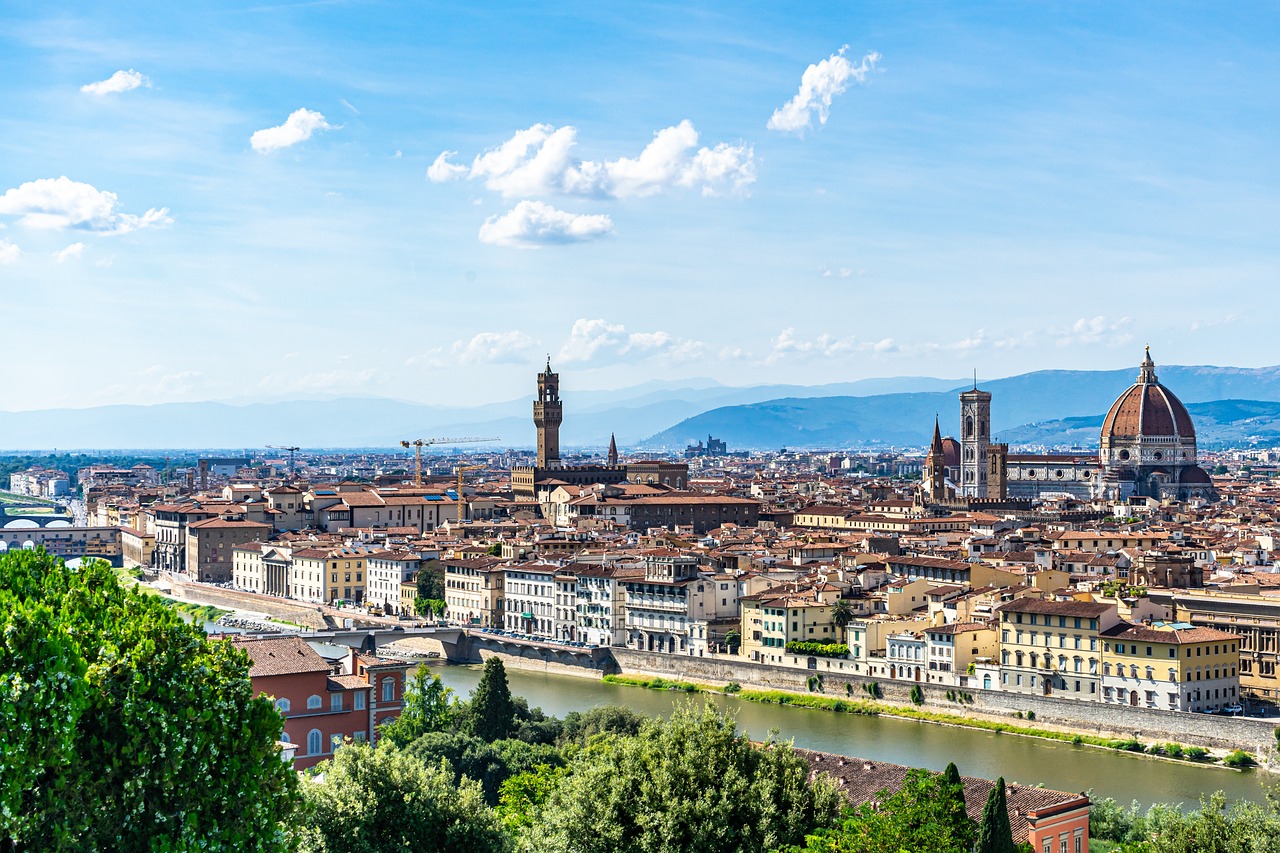
1. Florence: Uffizi painting and the Accademia's sculpture
In Florence, the Uffizi offers a substantial painting collection, with Botticelli's Birth of Venus among its familiar works. The Accademia's Michelangelo focus includes David, completed in 1504. These institutions deserve separate sessions if both matter to you. The Uffizi Galleries website gives the current institutional and visitor information. A three-day visit can put one major collection on each of two mornings, leaving Oltrarno or a riverside walk for the afternoons. Select a small group of rooms beforehand so the most famous work does not consume the entire museum experience.
2. Rome: choose between collections rather than stacking them
Rome provides the Capitoline Museums and Galleria Borghese, while the Vatican Museums are in the separate Vatican City state. Michelangelo's Sistine Chapel ceiling was painted between 1508 and 1512, but reaching it involves a larger museum visit. Give that session its own day rather than adding it after a full Borghese programme. The Rome dining page can anchor an ordinary meal between cultural sessions. Choose the institution for the collection and booking format you want, keeping its actual location visible instead of labelling every museum a central Rome walk-in.
3. Venice: painting and a contemporary exhibition require different plans
In Venice, the Gallerie dell'Accademia introduces Venetian painting, while the Peggy Guggenheim Collection supplies another modern-art interest in Dorsoduro. The Biennale is a distinct exhibition programme with dates, sites and ticket arrangements of its own. Do not assume it runs in the same format every year or that one ticket covers all the city's collections. Three full days allow a painting session, a modern collection and a separate district walk. Water transport and bridges remain part of the museum day, even when the institutions appear close together on a map.
National collections with useful pairings
4. Paris: one museum's argument at a time
Paris offers the Louvre's broad collections and the Musée d'Orsay's focus on art from the nineteenth and early twentieth centuries. The Orsay opened in 1986 in a former station. These are different collection experiences, each large enough to reward a dedicated session. Choose a period or group of artists before visiting, then allow unplanned attention to a few works. The Paris restaurant page supports the rest of the day. A river walk after a museum can help the experience settle more effectively than rushing immediately to another entrance queue.
5. London: distinguish collection entry from special exhibitions
In London, the National Gallery, Tate Britain and Tate Modern offer different collections and historical emphases. The British Museum adds a separate archaeological and world-cultures interest. Several major institutions offer free general collection entry, while special exhibitions or particular access formats can carry charges and reservations. The Tate website identifies its institutions and current programme. Group visits by actual location: Tate Britain's Millbank setting and Tate Modern's Bankside building are not one shared entrance. A three- or four-day museum trip can remain selective rather than attempting every national collection.
6. Madrid: the three institutions are not interchangeable
Madrid's Prado, Reina Sofía and Thyssen-Bornemisza form a useful cultural cluster with distinct collections. The Prado opened in 1819, while Guernica, painted in 1937, is associated with the Reina Sofía visit. The Madrid dining selection helps place meals between sessions rather than inside a hurried museum marathon. Give the Prado and Reina Sofía separate substantial periods, then choose the Thyssen according to your interests and time. A city's three-museum reputation is an invitation to compare collections, not an instruction to finish all three on the arrival afternoon.
American and Dutch collections with different scales
7. New York: the Met and MoMA reward different days
New York's Metropolitan Museum of Art, founded in 1870, and Museum of Modern Art, founded in 1929, provide very different collection frameworks. The Met's breadth makes selecting departments particularly useful, while MoMA can support a focused modern-art session. Their locations and admission systems differ. Give each a day with another nearby activity, such as a park or neighbourhood walk, rather than treating both as a standard double bill. The New York restaurant guide can support a proper break, helping attention last longer than another uninterrupted sequence of galleries.
8. Amsterdam: Dutch painting and a single artist's development
In Amsterdam, the Rijksmuseum supplies a broad Dutch art-and-history visit, while the Van Gogh Museum centres on the artist and related context. Rembrandt's The Night Watch, dated 1642, is a specific Rijksmuseum interest, with conservation and display arrangements determining the current experience. The museums are near each other around Museumplein, but proximity does not remove the time each collection needs. Two museum mornings within a three-day stay can work well, with the Jordaan or a canal walk providing a different scale later in the day.
At the Rijksmuseum, give one group portrait time before moving to another room: scale, gesture and the relationship between the figures become clearer when you stop scanning for the next famous name. At the Van Gogh Museum, following several works in sequence can reveal changes in colour and handling. These are different ways of looking, which is another reason to keep the sessions separate.
Imperial collections and a modern museum landmark
9. Vienna: choose painting, decorative arts or modernism
Vienna offers the Kunsthistorisches Museum, opened in 1891, alongside the Belvedere and other institutions with different strengths. Klimt's The Kiss belongs to a particular Belvedere collection visit rather than a generic imperial-palace ticket. Choose the museum for the art that motivates you, then decide how much of the building and grounds to include. The Vienna dining page adds a clear meal break. A three-day art visit can include two major sessions without sacrificing coffeehouse time or making every afternoon another sequence of paid interiors.
10. Bilbao: the collection and the building both deserve attention
Bilbao's Guggenheim opened in 1997, designed by Frank Gehry, and offers a particular relationship between contemporary architecture and art. Richard Serra's The Matter of Time is a named collection interest, while the changing exhibition programme provides another reason to examine the actual visit dates. Give the interior enough time rather than treating the building only as an exterior photograph. The riverside and Casco Viejo supply useful separate sessions. Bilbao can support a focused short art break without requiring the same museum quantity as Paris or London.
Protect attention as carefully as the ticket
A useful museum plan names a few rooms or works and leaves time between them. Audio guides, labels and guided sessions can add context, but constant information can also make it harder to look. Pause before moving to another room and notice what the work is doing: material, scale, subject and the relationship with nearby pieces. A two-hour focused visit can be more rewarding than staying until fatigue turns the collection into a corridor to finish.
The budget tool helps separate ordinary collection admission from special exhibitions, while the best-time planner can place the wider city stay in season. Confirm the selected institution's current hours, ticket type and reservation requirements once. A free collection is not a promise that every exhibition or guided session is free, and a museum pass is useful only if its actual coverage matches the institutions and dates you intend to use.
Choose a route with time outside the galleries
An illustrative three-day Amsterdam visit could put the Rijksmuseum on day one, the Van Gogh Museum on day two and a different city interest on day three. Keep afternoons for canals, a neighbourhood or an ordinary meal rather than more major collections. The city-break method helps preserve that balance. The global beauty guide offers an outdoor visual interest, while the packing tool can organise a comfortable walking day without unnecessary bags at museum entrances.
Frequently asked questions
How many major museums should I plan for one day?
One substantial collection is a useful starting point, with a second smaller visit only if energy and interest remain. Collections such as the Louvre, Met or Prado can support much longer exploration without being completed. Nearby buildings can still require separate attention, so physical proximity should not decide the whole schedule.
Are London's main museums completely free?
Several major national institutions offer free general collection entry, but special exhibitions, tours or particular access formats may carry a charge. The institution's current information distinguishes those categories. Choose the works and programme you want first, then compare the actual ticket requirements rather than assuming a city-wide rule covers every museum experience.
Is Bilbao worthwhile mainly for the Guggenheim exterior?
The building is a significant architectural subject, but the collection and current exhibitions are substantial reasons to enter. Richard Serra's The Matter of Time offers one specific interior interest. Give the museum a proper session, then use the riverside and Casco Viejo to make the city visit broader than a single exterior photograph.
Links & Resources
Official tourism and planning sources
- Vatican Museums: Find collection information and official access arrangements for the Vatican visit.
- Gallerie dell’Accademia, Venice: Explore Venetian painting and the museum’s current visitor information.
- Louvre Museum: Browse the Louvre’s collections, exhibitions and official visit-planning information.
- Madrid tourism: Prado Museum: Read the Prado collection overview and practical visitor information.
- Museum of Modern Art: Explore MoMA’s artworks, exhibitions and practical visitor arrangements.
- Rijksmuseum: Find Dutch art, historical collections and current information about visiting.
- Belvedere: Identify the Belvedere collections and the ticket appropriate to each venue.
- Guggenheim Bilbao: Explore the Bilbao museum’s art, architecture and current exhibition programme.


