Dubai Travel Guide: Sights, Neighbourhoods & Tips for 2026
Dubai is easier to plan when you divide it into areas instead of following a list of superlatives. The Creek, Downtown and the Marina offer different experiences and are separated by substantial journeys. This Dubai travel guide helps you choose a base, balance contemporary attractions with older neighbourhoods and understand the transport, climate and costs behind a short visit.
Three or four days allow a Creek heritage day, a chosen skyline experience and coastal time without repeated cross-city journeys. Regional developments remain a separate booking consideration because flights and travel conditions can change. Read current government advice and insurance terms before committing, then use the route below to organise the districts and activities appropriate to your dates rather than treating a normal attraction website as a guarantee about travel.
Dubai Creek explains a trading city that predates the best-known towers; Downtown and the Marina show later urban ambitions on a different scale. Visit Dubai — tourism guide is useful for joining those districts with cultural and coastal ideas. Choose a heritage day before filling the schedule with observation decks, shopping complexes and resort meals.
Where to stay in Dubai: heritage, Downtown or the coast
Bur Dubai is useful for visitors interested in the Creek, older streets and a different food scene from the resort areas. Deira offers another waterfront perspective and transport choices that depend on the exact location. These areas should not be judged only against glossy photographs of the Marina: they serve a different style of visit, often with a stronger emphasis on walking locally, markets and everyday meals.
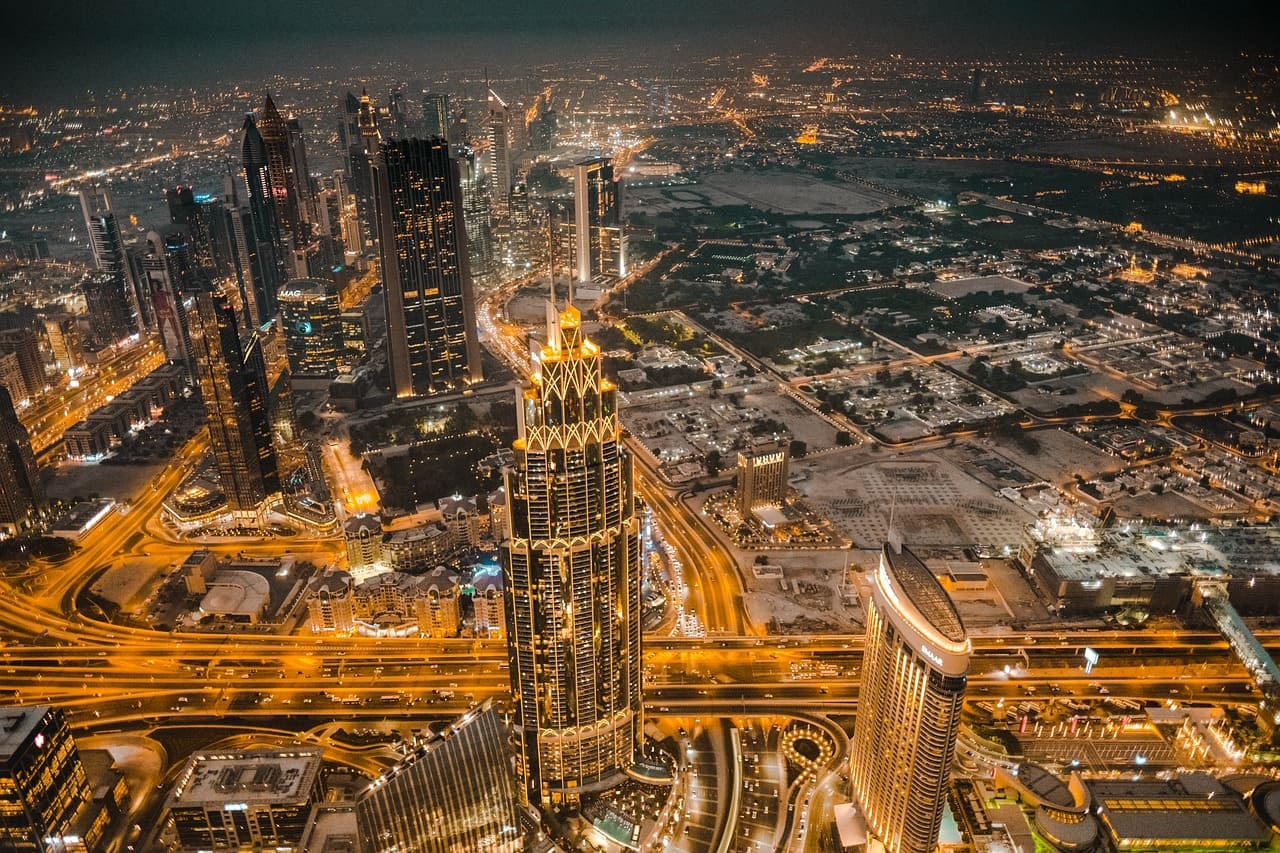
Downtown centres a skyline-focused stay on Burj Khalifa and Dubai Mall; the Marina and Jumeirah Beach Residence favour coastal evenings. These are separate districts from the Creek and its heritage walks. Include the hotel's actual metro approach in the choice, since a property described as near the station can still have a long pedestrian connection. A resort base earns its premium through time you spend there, rather than a succession of taxi journeys north for every planned visit.
Compare a resort's beach access, meals and transport with the way you intend to spend the days. A room package is valuable when you use it, while a central cultural itinerary may favour a simpler base near its transport links. Include taxes and compulsory charges in the final room total. Shade, pools and air conditioning matter in hot weather, but they do not make a distant hotel the best location for every Creek or Downtown visit.
Bur Dubai reduces travel around the Creek, while Downtown suits skyline priorities and the Marina favours coastal evenings. Compare those hotel-and-taxi combinations in the city-cost comparison tool rather than assuming every low room rate means a lower trip total. In the packing planner, account for sun protection outdoors, stronger air conditioning indoors and modest clothing for relevant cultural settings.
Dubai Creek and Al Fahidi: start with the city's trading history
Al Fahidi's narrow passages, courtyards and wind towers introduce an older urban form beside Dubai Creek. Wind-tower architecture channels air into buildings, showing a practical response to climate before the city's modern air-conditioned skyline. The heritage area includes restored spaces and current cultural uses, rather than an untouched historical village. Combine it with a Creek walk and a museum where operating; the linked cultural visitor pages provide the current venue access for that particular day.
A traditional abra carries you across Dubai Creek, joining the two banks for a short everyday transport journey. It serves a different purpose from a long sightseeing cruise. Use the crossing to connect a Bur Dubai walk with Deira's market streets, then leave room to browse. For jewellery, textiles or another substantial purchase, compare materials, prices and shipping terms before agreeing; an enthusiastic sales pitch does not create an obligation to buy.
For cultural context, consider a clearly described public programme or guided experience rather than assuming a themed meal tells the whole history of the emirate. Ask what the visit covers and whether photography is appropriate. Dress with the setting in mind and respect private spaces. The heritage part of the trip is worth doing as a main half-day, not merely as a hurried stop before returning to a mall and declaring that you have seen the older city.
Dubai skyline and museums: choose one big experience at a time
Burj Khalifa reaches 828 metres and was inaugurated in 2010. Its observation products provide different levels and time bands, so choose the experience rather than simply the highest price. Confirm the live inclusions on the tower's official site once. Clear visibility is more useful for identifying the coast and urban districts than an expensive slot in hazy conditions. Seeing the tower from the ground is a different pleasure, and can fit a Downtown walk without another deck ticket.
Downtown's large shopping and entertainment spaces can be useful in heat, but they consume time as well as money. Decide whether you want shopping, a specific attraction or simply an indoor break. Keep the arrival route and walking time in mind: a station connection on a map may still mean a substantial indoor approach.
Museum of the Future opened in 2022, but its website currently announces a temporary exhibition closure. Do not build a 2026 day around an interior admission until its visitor page announces availability again. The exterior remains an architectural point of interest; Al Shindagha offers a different heritage-museum focus for a cultural day. Downtown can still work around a chosen tower experience, a walk and a meal without replacing the closed exhibition with several expensive attractions.
Getting around Dubai: metro, nol and the distances between districts
The metro is useful where your base and destinations sit near the network, but it does not reach the front door of every resort or attraction. Check the Roads and Transport Authority's current maps and nol arrangements before choosing a card or fare product. Compare the complete journey, including the final walk, especially in hot weather. A route that is reasonable in winter may be uncomfortable in the middle of a summer day.
Buses and marine services can fill gaps, while authorised taxis are useful for awkward connections. Do not assume a taxi will always be quick: road conditions and the time of day affect travel. Group visits by area rather than travelling repeatedly between the Marina, Downtown and the Creek. A modest hotel saving can disappear into transport costs if your location is poorly matched to the itinerary.
Dubai International and Al Maktoum International require different arrival plans. From your booked terminal, compare the complete journey to the hotel and its last walking leg, especially in heat. The metro is useful when both ends fit its network; an authorised taxi can solve an awkward connection. Establish accessible boarding and entrances where needed, and make the last useful return service part of an evening itinerary rather than relying on a generic claim that every Dubai transfer is simple.
Roads and Transport Authority covers metro lines, nol payments, buses and marine transport. Dubai Creek and Dubai Marina are distinct areas, not interchangeable waterfront stops. Group the Creek's two banks into a heritage day, then keep the Marina for a separate coastal block; that removes repeated long journeys even before you compare individual fares.
Dubai food: regional dishes and neighbourhood value
Dubai's food scene reflects many communities, so a useful trip can combine Emirati food with South Asian and other regional cooking. Seek a clearly described Emirati meal if machboos or other local dishes interest you, while Bur Dubai and Deira can support inexpensive everyday eating compared with some hotel dining. Price and quality still vary: a restaurant's neighbourhood is a clue to the setting, not a guarantee about the bill.
For a special meal, decide whether the attraction is the cooking, rooftop view or luxury setting. Paying for all three can be worthwhile when it is intentional. A hotel dining package needs comparison with the neighbourhood meals you actually want: unused included sittings do not improve its value. Confirm a chosen venue's hours and listed charges once, then let ordinary meals fit Bur Dubai, Deira or the coastal block where you are spending the day.
Emirati machboos is a useful regional dish to seek out, while Dubai's many communities add South Asian and other cuisines to the daily options. Explain allergies directly instead of relying on an unfamiliar name to describe all preparation. Alcohol rules and religious observances affect the settings and timing of meals, so follow the relevant UAE guidance and venue conditions. A food outing in Bur Dubai or Deira adds a different experience from another premium tower restaurant.
A three- or four-day Dubai itinerary with sensible outdoor timing
| Day | Area | Priority |
|---|---|---|
| 1 | Creek and Al Fahidi | Combine heritage streets, a crossing and a meal. |
| 2 | Downtown | Choose a skyline reservation; Museum of the Future exhibitions are temporarily closed. |
| 3 | Coastal area | Check access, heat and swimming conditions. |
| 4 | Optional additional day | Choose culture or a suitable organised desert experience. |
Use one day for the Creek, Al Fahidi and a carefully chosen cultural or market visit. Keep the two banks connected by a practical crossing and leave time for lunch. Start earlier when heat makes outdoor walking difficult, and do not expect a long exposed afternoon to feel like a comfortable winter stroll. This heritage day gives context before the major contemporary attractions dominate the rest of the trip.
A second day can focus on Downtown and your chosen skyline or museum experience. Keep bookings realistic and avoid placing several time-sensitive visits at opposite ends of the city. A third day can be coastal, with the Marina or another suitable area and a beach session if conditions and access arrangements allow. Beach clubs, hotel beaches and public access have different rules and costs, so confirm the option you intend to use.
For a fourth day, choose either more cultural time or an organised desert outing if it suits your health, mobility and interests. Ask about driving style, accessibility and what is actually included. A high-impact dune ride is not appropriate for every traveller, and a staged entertainment evening should not be presented as a complete picture of local life. Abu Dhabi is another substantial destination: if adding it, allocate travel and visiting time instead of treating it as a brief extra stop between Dubai attractions.
Dubai's cooler outdoor season makes our winter-sun planning article relevant, but current regional conditions remain a separate decision from weather. Our Middle Eastern city guide provides cultural context for comparing other Middle Eastern cities. Within Dubai, preserve Creek time alongside the skyline: a historic-neighbourhood walk and a meal add a different experience from buying another premium view.
Dubai seasons, budget, local rules and current travel advice
November to March often gives more workable outdoor conditions, but it is also a popular period. The approximate 2026 daily allowance above assumes a person sharing a modest private room, ordinary meals, local transport and some paid sightseeing. It excludes flights, luxury resort packages and premium experiences. Get actual quotes for your dates and compare transport from the proposed hotel; location and attraction choices can change the final total substantially.
Summer heat favours shorter outdoor blocks and a larger role for indoor time. Carry water, use shade and make air-conditioned breaks part of the plan rather than an afterthought. Winter's more workable walking conditions support a longer Creek outing, but beaches still have their own flags and access arrangements. Sun protection and clothing suitable for cultural settings belong alongside resort items, because a cultural-and-coastal visit moves between different environments during the same day.
Use UAE government guidance for entry, medication and local laws, and read your own government's travel advice together with insurance terms before booking. Regional developments may affect airspace or flights, so flexible arrangements matter more than a fixed attraction sequence. Photography and behaviour rules still apply in heritage districts and public spaces. The practical route here organises Dubai's geography; it does not replace the travel decision or guarantee that a particular future departure will operate normally.
For another trip combining contemporary buildings with a warm-weather setting, browse destinations similar to Dubai and narrow your climate and activity priorities through the destination finder. Use the visa planning tool to organise UAE entry questions, including passport-specific rules, and the currency converter for dirham costs. Compare the full hotel package with meals and transport before adding a resort premium to the budget.
Frequently asked questions
How many days do you need in Dubai?
Three or four days can cover the Creek, a chosen contemporary attraction and coastal time. A desert outing or Abu Dhabi visit needs its own allocation of travel and activity time. Check current government advice and airline conditions before treating any itinerary as appropriate for your travel dates.
Can you explore Dubai using only the metro?
The metro is useful for destinations close to its network, but not every attraction or resort has an easy station connection. Check the complete route, including walking in the expected heat. Buses, marine transport or authorised taxis may be needed for particular gaps in your itinerary.
When is the best time for outdoor sightseeing in Dubai?
November to March often offers more workable conditions for outdoor walking, though popular dates can cost more. Summer requires a different balance of indoor visits, shorter exposed periods and attention to heat guidance. The forecast and current travel advice still matter more than a general seasonal recommendation.
Links & Resources
Official sights, culture and planning
- Burj Khalifa: Official observation-deck information and visiting options.
- Museum of the Future: Exhibition-closure updates and information on the building and programmes.
- Visit Dubai — Al Shindagha Museum: Official heritage-museum information and visitor planning.
- Dubai Airports: Terminal information and airport services.
- UAE government portal: Entry, laws and official visitor information.
- Visit Dubai — Al Fahidi: Background and visiting ideas for the historic neighbourhood.
- Visit Dubai — Dubai Creek: Heritage waterfront and area information.
- UK government — UAE travel advice: Regional developments, local laws and entry requirements.
On GuesTheCity
- Explore the city map: Place Dubai Creek, Downtown and the Marina in separate visiting blocks.
- Play Guess the City: Identify Dubai’s contemporary landmarks before selecting paid experiences.