10 Winter-Sun Destinations: Warm Coasts and Mild City Breaks
Winter sun can mean two different holidays: a mild city break with comfortable walking, or a warmer coastal stay where beach time is a major purpose. Seville and Cartagena do not offer the same conditions simply because both can provide relief from a cold northern winter. These ten choices distinguish Gulf cities, warmer long-haul settings and milder alternatives, with the season, neighbourhoods and trade-offs kept explicit.
The winter discussed here is roughly December–February in the northern hemisphere. That is summer in Rio de Janeiro and a different seasonal pattern in tropical cities. The month-by-month Asia guide explores regional timing, while the beach-city selection studies access to urban shores. Choose the kind of warmth you actually need before comparing flights or assuming that sunshine guarantees suitable swimming.
Gulf cities for a cooler outdoor season
1. Dubai: older districts and a modern waterfront
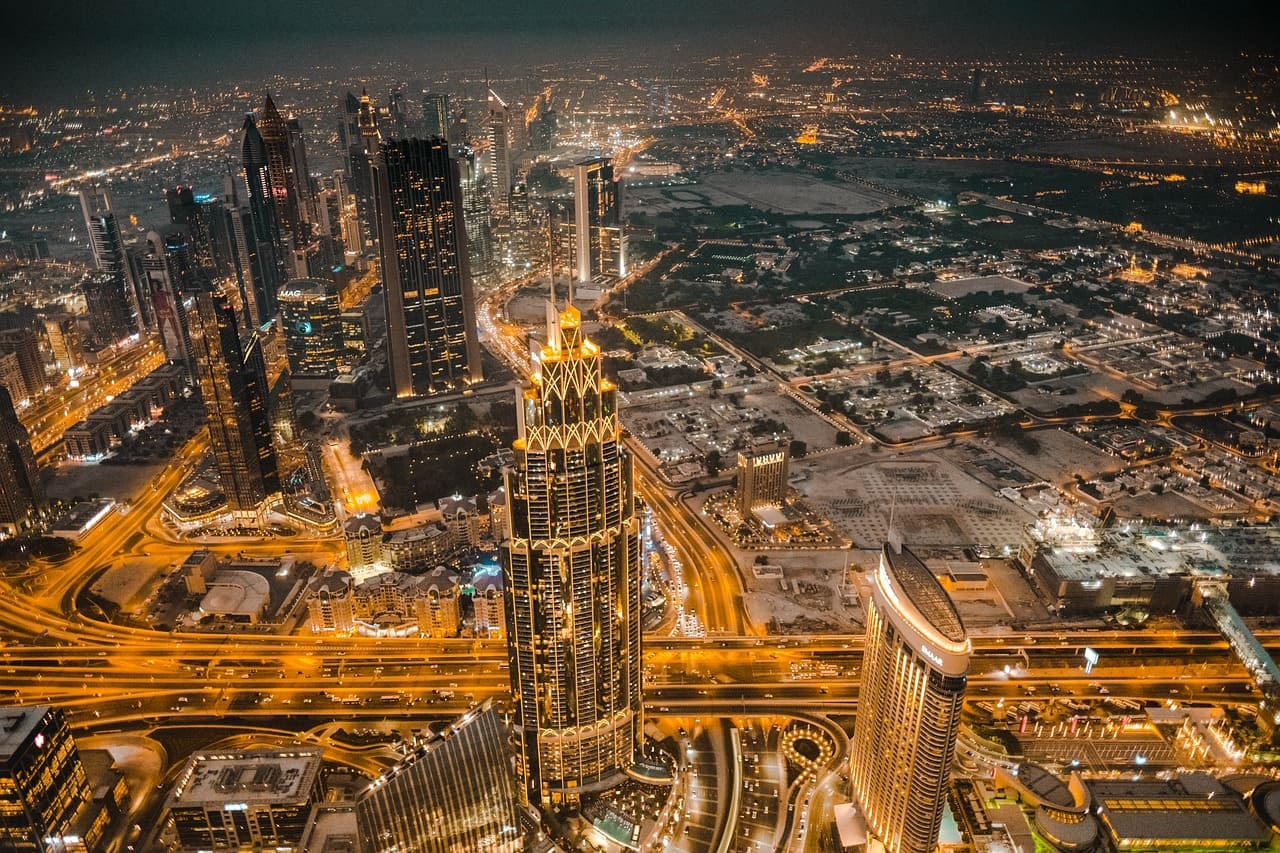
In Dubai, the northern winter can make a Creek walk or outdoor session more comfortable than the height of summer. Al Fahidi, Downtown and Dubai Marina are different districts, so plan their transport rather than treating them as one promenade. The Burj Khalifa opened in 2010, providing a firm landmark reference without requiring every day to centre on a tower visit. Choose Dubai for a mix of food, districts and selected coastal time. Current UAE advice warns of regional escalation and possible transport disruption, making the wider travel decision separate from a seasonal climate comparison.
2. Abu Dhabi: combine a museum with an outdoor afternoon
Abu Dhabi offers Louvre Abu Dhabi, opened in 2017, as a substantial indoor cultural session, with the Corniche and Saadiyat providing different outdoor settings. A cooler-season stay can balance those interests without relying entirely on beach weather. Road transfers remain part of the visit, and a museum island, a city waterfront and a hotel beach are different locations. Select the base for the actual activities you want. As elsewhere in the region, assess current government advice and flight arrangements before committing to non-refundable plans, rather than assuming a familiar resort image settles the question.
3. Doha: a waterfront capital with named cultural interests
In Doha, Souq Waqif and the Corniche offer a different city experience from a hotel-led beach stay. The Museum of Islamic Art opened in 2008 and gives the visit another cultural focus. Katara and other districts require their own time and movement. Choose three or four days for a measured introduction, leaving one outdoor session flexible. The current Qatar travel guidance warns of regional tensions and potential disruption. The winter climate can be attractive for walking, but it is only one part of deciding whether the trip suits the present circumstances.
Warmer long-haul choices with different rainy-season patterns
4. Cartagena: Caribbean heat and an old-city base
Cartagena offers the historic centre, Getsemaní and a Caribbean coastal setting, with the early-year period generally appealing to travellers seeking a drier part of the local calendar. The port and fortifications received UNESCO recognition in 1984. Heat and humidity still shape the day, so use shaded or indoor pauses rather than scheduling continuous afternoon walking. The old centre is not an offshore island resort. Choose the city for streets, history and food, then arrange any boat excursion as a separate activity with a clear operator and return plan.
5. Honolulu: city culture alongside Waikīkī
In Honolulu, Waikīkī provides a coastal base within a wider city that includes ʻIolani Palace and the Bishop Museum. The palace was completed in 1882, giving a historical interest distinct from the beach. Winter can bring showers and different ocean conditions, particularly around other Oʻahu shores, so a warm destination is not a universal swimming guarantee. Give the stay enough time to enjoy the city without a new island excursion every morning. Choose the actual beach and current local guidance for any swim, leaving museums and neighbourhood food as worthwhile parts of the trip.
6. Rio de Janeiro: summer brings heat and changing conditions
Rio de Janeiro's northern-winter period is local summer, with Copacabana and Ipanema offering a strong urban coastal identity. Sugarloaf reaches 396 metres beside Guanabara Bay, providing another landscape interest. Heat can coincide with heavy rain, so avoid the inaccurate promise that this is simply Rio's guaranteed driest season. A four- or five-day visit can alternate recognised viewpoints, a cultural session and coastal time. Use planned local transport and follow current access and weather advice, rather than improvising unfamiliar hillside routes to preserve an outdoor schedule during unsuitable conditions.
7. Chiang Mai: an inland winter break with temples and food
In Chiang Mai, the cooler part of the northern-winter season can suit old-city walking, temple visits and northern Thai food. Khao soi, a curry-noodle dish, provides a specific culinary interest, while Doi Suthep is a separate elevated outing rather than a central street stop. The city has no beach. Air quality can deteriorate during the later dry and burning season, particularly as the calendar moves towards spring, so date choice matters beyond rainfall. Use current conditions for the actual stay and choose a cultural city break rather than expecting a tropical coastal resort.
Milder alternatives for walking rather than guaranteed beach heat
8. Marrakech: sunny afternoons can still mean cool nights
Marrakech offers a mild-winter city interest through the medina, gardens and food, with cooler evenings that deserve proper clothing. UNESCO recognised the medina in 1985, providing a historical focus for the winter stay. Choose a riad for its actual room comfort and heating arrangements rather than an image of a sunlit courtyard alone. Tangia provides a named local dish, while a garden visit can make a pleasant outdoor session. The Marrakech restaurant selection supports the evening. This is a cultural winter break, and a city hotel pool should not be assumed warm or available without reading the actual property information.
9. Seville: a winter walking city with a different rhythm
In Seville, the Alcázar, cathedral district and Triana offer a substantial city visit without peak summer heat. Plaza de España dates to the 1929 exposition, giving an outdoor architectural session with a clear historical context. Winter can be cool or wet, and evenings need layers. Choose Seville for walking, food and culture rather than a promise of beach weather. Three full days can give the major interiors, a neighbourhood and a performance their own time, with no need to fill every daylight hour simply because the city feels milder than home.
10. Las Palmas: an actual Canary Islands city
Las Palmas de Gran Canaria offers Vegueta's historical streets and the urban beach at Las Canteras within one city stay. The Gran Canaria tourism website gives island and city orientation. The northern city's conditions can differ from resorts elsewhere on the island, so the broad Canary Islands label is not a forecast for every district. Choose Las Palmas for a city-and-coast combination, with accommodation placed according to which side matters most. A beach promenade remains enjoyable when swimming conditions or the day's weather make entering the water less appealing.
Match the month to the holiday you want
The best-time planner helps compare broad seasonal patterns, while the packing tool can organise layers for cool evenings or tropical rain. A mild-winter city does not need to imitate a tropical holiday to be worthwhile. Name the desired activity first: outdoor lunches, historical walking, frequent swimming or a mixture. That decision makes the difference between Seville, Chiang Mai and Cartagena clearer than a single sunshine label.
The flight planner can organise gateways, but assess arrival time and transfers alongside the route. An illustrative five-night Honolulu stay with one palace visit and several coastal sessions differs from a three-night Seville cultural break. The budget tool should reflect those different lengths and travel costs. A low advertised room rate is less useful if the flight and transfer consume the time intended for rest.
Keep useful alternatives within the city
Choose at least one activity that remains appealing when rain, wind or unsuitable water conditions interrupt the main outdoor plan. A museum in Doha, a food session in Chiang Mai or a historical interior in Seville can be a principal interest rather than a disappointed substitute. The city-break planning method helps keep those options geographically sensible. Current travel advice, air quality and local conditions still take precedence over broad seasonal patterns, especially where a region faces disruption.
Frequently asked questions
Which choices are better for mild sightseeing than tropical heat?
Seville and Marrakech are useful leads for a cultural visit with potentially comfortable daytime walking and cooler evenings. Las Palmas offers another city-and-coast option with local variation. Choose these places for their actual climate and activities rather than expecting them to reproduce a hot Caribbean beach holiday in January.
Is Rio de Janeiro dry throughout the northern winter?
December to February is summer in Rio, and heat can occur alongside heavy showers. A beach-city itinerary should therefore leave flexibility for weather and local access conditions. Choose the city for its combined coastal and cultural experience rather than a guarantee that every planned outdoor session will remain dry.
Does Chiang Mai offer a beach holiday?
Chiang Mai is an inland city with temples, food and cultural interests, not an urban beach destination. Cooler-season walking can be appealing, while later dry-season air quality needs date-specific attention. If daily sea swimming is the main purpose, select a coastal destination instead of assuming every Thai city offers the same holiday.
Links & Resources
Official tourism and planning sources
- Visit Dubai: Explore Dubai districts and attractions for a cooler-season outdoor itinerary.
- Visit Abu Dhabi: Locate Abu Dhabi cultural institutions, coastal areas and visitor activities.
- Visit Qatar: Explore Doha’s cultural districts, museums and waterfront visitor experiences.
- Colombia Travel: Cartagena: Read about Cartagena’s historic centre and Caribbean coastal setting.
- Hawaiʻi Tourism Authority: Oʻahu: Explore Oʻahu’s cultural and coastal experiences beyond a single Waikīkī beach day.
- Visit Brasil: Find Brazilian destination information for planning a broader Rio city stay.
- Tourism Authority of Thailand: Explore Chiang Mai and northern Thai cultural and food interests.
- Moroccan tourism: Marrakesh: Find Marrakesh gardens, historical areas and city experiences for a winter break.
- Seville tourism: Explore Seville’s monuments, neighbourhoods and current cultural programme.
- UK travel advice: UAE: Read current regional warnings and practical considerations for a UAE trip.