First-Timer's Guide to Southeast Asia: Routes and Practicalities
Southeast Asia is not one climate, visa system or transport network. A first journey becomes much easier when you choose a manageable part of the region and understand how its cities connect. Hanoi food walks, Chiang Mai temple days and an Angkor visit can each justify several days, but combining them all quickly can turn the holiday into a sequence of flights, unpacking and entry formalities.
This first-timer's guide helps you select a route, read regional weather patterns and organise entry paperwork, accommodation and everyday transport. Thailand, Vietnam and Cambodia are the main examples, with Singapore as another possible urban starting point. Current regional restrictions take priority over an old overland itinerary, so the route suggestions are planning examples to assess for your dates rather than instructions to travel through affected areas.
Choose one route that fits your available days
Start with the experiences you want: urban food, temples, beaches, historical sites or a mix. Then choose the smallest route that supports them. A Thailand plan might consider Chiang Mai and another suitable base, while a Vietnam trip could focus on Hanoi with an additional regional stay. Every new city adds transport and accommodation tasks, so include those costs before adding another destination to the map.
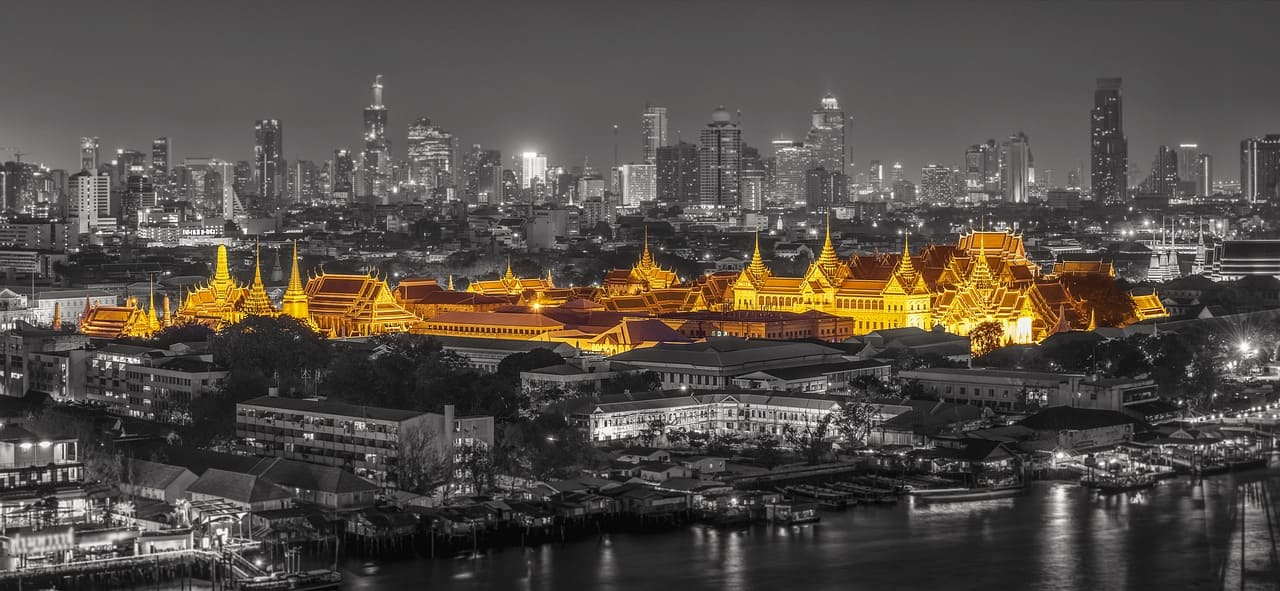
Bangkok is an important gateway and urban destination, but its suitability depends on current conditions. As of October 2026, the Thailand travel advice reports severe flooding affecting Bangkok and restrictions near the Cambodia land border. Land crossings between Thailand and Cambodia remain suspended. Reassess arrival plans and avoid affected border routes; an old Bangkok-to-Cambodia bus itinerary should not be reused automatically.
For a Cambodia visit centred on Angkor, Siem Reap is the relevant city base, distinct from border sites affected by restrictions. Investigate permitted and operating arrival routes for your dates before reserving onward accommodation. Singapore offers another urban starting point with its own entry and cost considerations. Our Bangkok–Singapore comparison explains their different visiting styles rather than presenting them as interchangeable versions of one regional city.
Match regional weather to the actual itinerary
Southeast Asia has regional monsoon patterns, not a single best month for every country and coast. Thailand's Andaman and Gulf coasts can have different rainfall patterns, while northern Vietnam has cooler periods than the south. Central Vietnam also has its own wet-season concerns. Choose dates after identifying the specific cities and excursions, rather than assuming that a dry-season label from one place applies everywhere on the route.
The best-time planning tool gives broad seasonal orientation, and our Asia timing guide provides a wider regional framework. Near departure, use current local forecasts and destination advice for disruption decisions. An afternoon shower and severe flooding are different conditions. Keep room to change an outdoor excursion, and do not use a prepaid activity as a reason to ignore local instructions about access or transport.
Chiang Mai can face deteriorating air quality during parts of the dry season, which deserves attention alongside rainfall when planning a long outdoor visit. In Hanoi, cooler weather may call for a layer rather than the uniformly tropical wardrobe a regional stereotype suggests. For Ho Chi Minh City, prepare for heat and the local seasonal pattern. Pack for the places you will actually visit, not for an imagined climate shared by the whole region.
Organise entry paperwork country by country
List each country, the arrival point, your passport nationality, the planned dates and the entry route. Visa exemptions and e-visas have conditions that can differ across nationalities and ports of entry. Use the government entry guidance and official application channels linked in the resources rather than a similarly named intermediary found through an advertisement. Apply using accurate dates and documents, and keep the decision and any required confirmation accessible during travel.
A multi-country route requires separate research for each entry and transit. Permission for Thailand does not authorise a visit to Vietnam or Cambodia, and a visa approval does not mean every border crossing is available. Confirm permitted entry points and current requirements with the relevant authority. The flight planning tool helps connect the paperwork with the actual air journey, including any separate-ticket transit arrangements.
Keep passport validity, accommodation information, onward plans and supporting evidence aligned with the requirements for your own route. Avoid copying a rule written for someone holding a different passport. Save secure copies and retain access if a device fails. Travel insurance should fit the destinations and activities, including exclusions related to government advice; a policy bought for a simpler itinerary may need attention when you add another country.
Book transport with realistic transfer days
A domestic flight, an overnight train and a road journey create different travel days even when the map shows a short distance. Compare the complete door-to-door route, including airport access, check-in, baggage and the journey to the next accommodation. In Vietnam, Hanoi and Ho Chi Minh City are far enough apart that combining them adds a substantial journey. Do not treat the country's long north–south geography as a quick urban hop.
Book through a recognised operator or a clearly identified seller with understandable conditions. Know whether the ticket names the actual station, terminal or pickup point, and save the contact details. For overnight transport, read the accommodation arrangement rather than assuming every sleeper is private. Decide whether the saving is worthwhile if poor rest will reduce the next day's enjoyment or create a difficult accommodation arrival.
Keep transfer days light and allow practical flexibility. If a delayed arrival means missing a prepaid activity, the itinerary may have been too tightly built in the first place. Our cheap-flight guide explains the hidden costs of baggage and separate tickets. A route with one fewer transfer can cost less and give you more time for meals, neighbourhoods and the cultural visits that motivated the trip.
Choose accommodation and local journeys for your pace
Book the first nights in a base with clear arrival instructions and a location that matches the outings you expect to make. In Bangkok, a suitable rail connection can matter more than a vague central description, although current flooding may alter journeys. In Hanoi, a room's position within a busy area affects both access and rest. Read practical details about entrances, stairs, reception and noise as well as photographs.
For local transport, understand the method you are using: metered taxi, a recognised application, public transit or a negotiated ride. Establish the price or pricing system before starting where appropriate, and match the vehicle to a reservation. Do not assume hiring a motorcycle is a harmless default for a first visit. Licensing, local rules, road conditions and insurance need attention if you intend to ride, especially without relevant experience.
Our city safety guide explains arrivals, account access and responses to disruption. The travel budget tool can include a practical alternative journey when heat, weather or tiredness changes the day. Spending deliberately on a more manageable transfer is different from being forced into an expensive choice because the itinerary never accounted for the route from your hotel to the next stop.
Enjoy food and cultural visits with practical context
In Hanoi, phở and bún chả offer distinct meal experiences; in Chiang Mai, khao soi is a recognisable northern Thai noodle dish. Choose places according to the meal you want and practical food hygiene, not simply whether the queue appears to contain residents. The Bangkok dining pages and Asian food-city guide provide starting points for specific food outings where those cities fit a suitable route.
Health preparation depends on your destinations, activities and personal circumstances. The CDC travel-health portal provides destination information to discuss with a qualified health professional before departure. Arrange necessary advice in time and carry essential medicines lawfully. Drinking water, food and insect protection require locally appropriate decisions; a travel article should not prescribe a universal vaccine schedule or imply that one regional rule covers every traveller.
For temples and religious sites, follow the stated dress, footwear and photography rules. At Angkor, plan around the scale of the site, transport between temples and the need for breaks rather than trying to see every monument in one hurried circuit. Buy admission through the authorised route and follow access instructions. A guide can add historical context, but a visitor still needs a realistic schedule and respect for the site's cultural importance.
Handle money, communication and the final departure
Separate your fixed commitments from daily spending and keep emergency access to money outside the main wallet. The currency converter helps estimate unfamiliar prices, but local cash access, payment acceptance and your provider's fees determine practical use. Do not assume that card payment works for every small purchase or that an airport exchange offer represents the rate you will obtain elsewhere.
Prepare communication before an arrival where it matters. Understand roaming charges or the conditions of a suitable local service, and save accommodation and transport details offline. The phrasebook can help with simple greetings and practical requests. A translated address is often useful, but it should supplement the property's actual access instructions rather than a loosely translated place name that a driver may not recognise.
Before returning home, review the departure airport, baggage allowance and the date of every flight. Leave time to reach the terminal and avoid using the final morning for a distant excursion. Our carry-on packing method helps keep the route manageable, while the time-zone tool clarifies longer connections. A well-designed first Southeast Asia trip finishes with a few places understood properly, not merely more borders crossed.
- Route decision: choose the minimum number of bases that delivers your interests and fits current regional conditions.
- Paperwork decision: connect each permission to your nationality, dates and permitted arrival point.
- Daily decision: group nearby visits, leave breaks and retain a practical alternative when weather changes.
- Departure decision: keep the final transfer and document requirements separate from optional sightseeing plans.
Frequently asked questions
How many countries should I visit on a first two-week trip?
One country or two carefully connected bases can be a satisfying start, depending on the experiences you want. Repeated border and accommodation changes use time that might otherwise become a full visiting day. Choose the route first, then assess current entry rules, transport and regional advice before adding another country.
Is there one best season for Southeast Asia?
The region has different weather patterns across countries, coasts and elevations. Northern, central and southern Vietnam, for example, should not be treated as one seasonal destination. Use the specific places on your route to choose dates, and distinguish normal seasonal rain from current flooding or other conditions that require changing the itinerary.
Can I follow an old Thailand–Cambodia overland itinerary?
Do not assume an old route remains available. As of October 2026, the linked government advice reports suspended land crossings and restrictions near the Thailand–Cambodia border. Use current authority and operator information for the actual route, avoid affected areas and choose only a permitted, operating arrival option appropriate to your trip.
Links & Resources
Sources for a first Southeast Asia route
- Cambodia regional advice: Border-area restrictions affecting a multi-country itinerary
- Vietnam travel advice: Regional and entry information for the Vietnamese leg
- Thai e-Visa portal: The legitimate starting point for Thai visa applications
- Vietnam entry requirements: Passport-specific entry guidance and links to the Vietnamese authorities
- Cambodia entry requirements: Entry guidance with the relevant Cambodian application channels
- Thailand tourism authority: Regional destinations and seasonal trip ideas
- Vietnam tourism board: Northern and southern route context for a first visit
- Angkor Enterprise: Authorised Angkor admission and visitor information