Bangkok vs Singapore: Temples, Hawker Meals and Stopovers
Bangkok and Singapore can both support a memorable food-led city stay, but their geography and accommodation costs create different trips. Bangkok's royal and temple sights favour a day around the old city and Chao Phraya. Singapore joins garden, heritage and eating districts through an extensive urban transport network, with a larger room allowance often needed.
This Bangkok vs Singapore comparison is for a three- or four-day stay or a Southeast Asian stopover. It looks beyond the old shorthand of chaotic versus polished to compare meals, cultural sites, local travel and the time you actually have. Neither city is a complete version of its country, and neither needs to be presented as an authenticity test to earn a place on your route.
Bangkok and Singapore side by side: stopover priorities
| Decision | Bangkok | Singapore |
|---|---|---|
| Local-currency daily range, approximate 2026 | ฿2,500–4,500 | S$160–290 |
| Good reason to visit | Old-city temples, river geography and neighbourhood meals | Gardens, hawker culture and heritage districts |
| Joining the main areas | BTS, MRT, river routes and suitable road connections | MRT, buses and walking from the relevant entrance |
| Everyday eating | Noodles, rice dishes, regional curries and street businesses | Chicken rice, laksa, roti prata and hawker specialists |
| Weather planning | Cooler dry-season periods favour exposed temple visits | Tropical heat, humidity and possible rain throughout the year |
| Stay beyond the airport | Three or four full city days | Three or four full city days |
The daily amounts are approximate 2026 planning ranges for one person sharing a modest private room, ordinary meals, local travel and selected sightseeing. Flights and premium experiences are separate. Bangkok's cheaper everyday meals can leave more room in the budget, while Singapore hawker meals still provide relatively economical eating within a more expensive hotel stay. Convert baht and Singapore dollars before judging the numerical totals.
Bangkok temples or Singapore gardens and cultural districts?
The Grand Palace complex was established in 1782 and includes Wat Phra Kaew, the Temple of the Emerald Buddha. It deserves a planned old-city block rather than a quick stop between modern shopping districts. Wat Pho lies nearby, with its reclining Buddha and a different temple experience; the river's opposite bank offers another perspective around Wat Arun. Modest clothing and respectful behaviour are part of visiting religious and royal spaces, not negotiable extras.
Singapore's outdoor programme can include the Botanic Gardens and Gardens by the Bay, but they are separate locations with different purposes. The former offers extensive garden grounds and heritage context, while the latter combines outdoor landscapes with ticketed attractions and distinctive structures. Choose the features you want instead of buying every available experience. A garden day still needs water, shade and rest: green space does not remove tropical heat.
Chinatown, Little India and Kampong Glam offer Singapore neighbourhood visits with their own religious spaces, businesses and cultural histories. They should not become a rushed sequence of decorative backgrounds. Bangkok's old city and Yaowarat likewise reveal different aspects of its daily life beyond an attraction list. Tourism Authority of Thailand gives Thai destination context; Visit Singapore helps organise Singapore heritage and garden districts. Use each venue's current admission guidance only for the visits requiring tickets or particular access.
Street meals and hawker centres: compare the eating experience
Bangkok suits travellers who enjoy finding focused noodle, rice, curry or grilled-food businesses within a neighbourhood outing. Yaowarat can support a deliberate evening food route, while an ordinary local meal may be simpler than a collection of fashionable snack queues. Pad kra pao, boat noodles and regional curries offer different choices; pad Thai is one dish, not a complete summary of Thai cooking. Bangkok restaurant options helps locate possibilities, then use the business's own arrangements for a particular reservation.
Singapore hawker culture was inscribed by UNESCO in 2020 as a living practice of community dining, not a ranking of individual food stalls. Chicken rice, laksa, roti prata and other dishes reflect distinct culinary traditions. A hawker centre makes several specialists available in one communal setting. Choose a stall for what it actually cooks rather than assuming the busiest queue represents every good option, and return trays according to the venue's instructions.
Both cities require clear communication about allergies and diets. Stocks, sauces, seafood or shared preparation can matter when the dish name seems familiar. Choose a focused order and a suitable fallback if a busy stall cannot explain an ingredient. Singapore's food halls and Bangkok's street or market settings offer different formats, but neither supports a blanket claim that every meal is hygienic or every traveller can eat anything. A place serving food freshly and explaining its menu is a more useful criterion than a national stereotype.
Where to stay for temples, rail access or a short stopover
In Bangkok, a base near a useful BTS or MRT station can simplify modern-city journeys, while an old-city or riverside property may better support temple time. The best choice depends on whether you are repeatedly visiting the historic area, shopping districts or neighbourhood meals. A hotel saying it is in Sukhumvit does not define the walk to the station: the street and final approach still matter, particularly with bags or in midday heat.
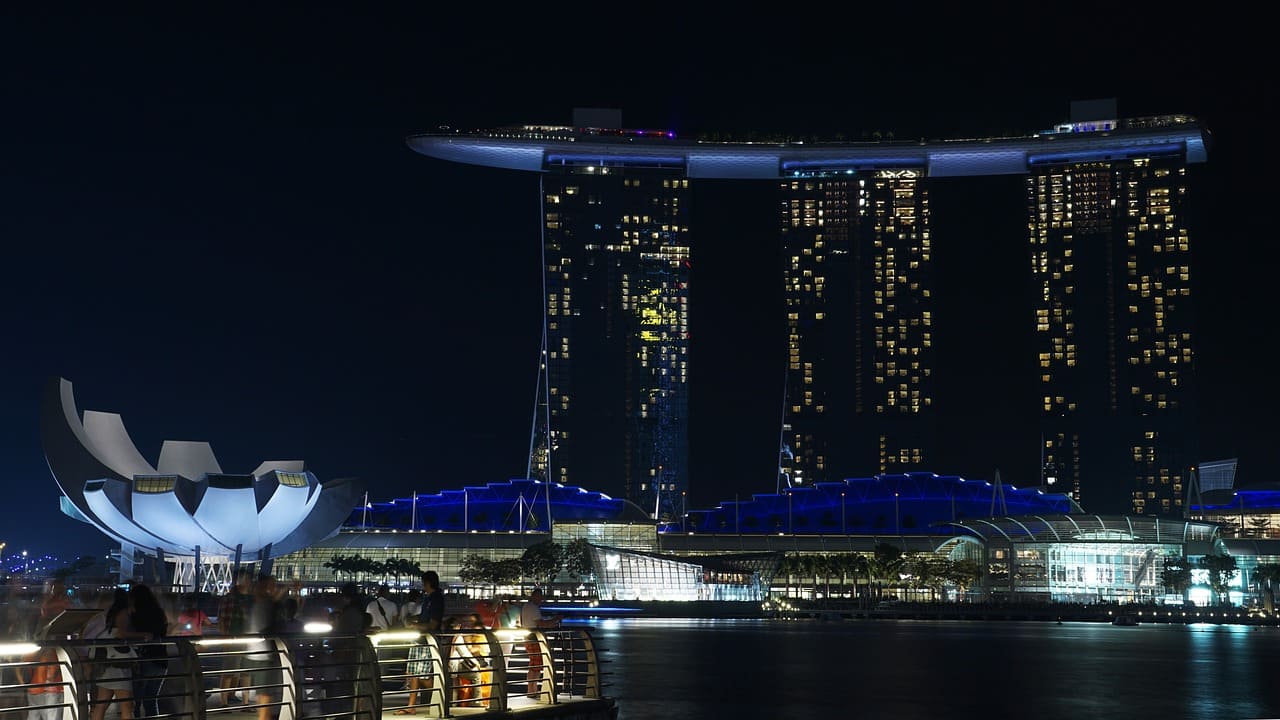
In Singapore, a central base with an uncomplicated MRT connection can support Chinatown, the civic area and other neighbourhood outings without several daily changes. Staying beside a headline skyline view is a separate premium decision, not a necessity for a good city visit. Choose the station, room and final route together. A short stopover gives little time to recover from an accommodation location that makes every meal and cultural stop another lengthy transfer.
Both cities have multiple accommodation formats, so compare the final quote, room size and included services rather than a photo of a pool. Air conditioning and somewhere practical to rest can matter more than another decorative feature after a long flight. Our street-food city guide is useful if Bangkok's eating routes lead your decision, while our Asian food-city guide gives regional food context for both destinations. Do not let a low room rate outside your intended visiting corridor design the whole holiday.
Transport and airports: river routes, rail and the last connection
Bangkok's BTS and MRT serve different corridors, while river transport can fit a historic-area day. The systems do not turn every journey into one identical product, and a transfer can include a meaningful walk. Group the Grand Palace and Wat Pho geographically instead of travelling to the old city separately after every modern-centre activity. An authorised taxi or other suitable road connection can fill a gap, but traffic makes it a poor basis for an inflexible chain of timed stops.
Singapore's MRT and buses connect many visitor areas, including rail entrances that serve different parts of the Botanic Gardens. Pick the garden entrance before following the first station offered by an app. Payment coverage, card arrangements and the actual airport journey belong to current operator guidance. A workable network does not mean every attraction sits beside a platform or that the shortest route gives a step-free final approach.
For Bangkok, Suvarnabhumi and Don Mueang are different arrival points with different city connections; use the airport on your booking. Singapore's Changi arrival also requires terminal and final hotel planning. A stopover should begin with how much usable city time remains after border formalities, transfers and returning for departure. Confirm any required permission to enter separately from a transit itinerary: an onward boarding pass does not itself establish the visitor rules for your passport.
Climate and costs: tropical planning beyond a cheap lunch
Bangkok's cooler dry-season periods often favour exposed temple visiting, while hotter and wetter periods change the comfort of an outdoor route. Singapore remains hot and humid with rain possible across the year, so a garden itinerary benefits from flexible order and an indoor alternative. The best-time planner helps organise regional timing. Neither city needs a promise of perfect weather: a sheltered meal and a nearby museum can be part of an enjoyable ordinary day.
Use the trip budget estimator to compare accommodation first, then meals and admissions. Singapore's higher room cost can dominate the difference even when hawker eating is economical; Bangkok can become expensive if the chosen stay is a luxury resort-style hotel with several premium outings. Put a skyline deck, special meal or private tour into its own spending category. Those voluntary choices should not be confused with the minimum cost of understanding the city.
The currency converter lets you compare the baht and Singapore-dollar ranges in one home currency, with your own provider's fees included in the final calculation. Budget is not the same as convenience: a slightly dearer room beside the route may be worth more than repeated road transfers. Use the government resources for entry and current travel conditions. The relative price of a meal cannot establish insurance cover, passport eligibility or a general safety ranking between the destinations.
Which hub to choose, and whether to visit both
Choose Bangkok for a temple-and-river programme with neighbourhood food: allocate the old city a main day, Yaowarat a deliberate meal outing and another district or museum the remaining block. Choose Singapore for gardens, hawker meals and connected heritage districts, giving the Botanic Gardens and bay area separate attention. Three full days introduce either; a fourth gives more room for the special meal, museum or neighbourhood that made you choose it.
Very short stopovers: count the usable city hours first
A Bangkok overnight with one usable full day is best organised around one corridor. If the temples are the draw, make the old city the main block and leave a meal nearby; a later Yaowarat outing needs its own journey and energy. If arrival and departure times leave only a few hours, choose a smaller neighbourhood programme close to the practical transfer rather than buying several distant tickets. The city's low everyday food cost does not recover the hours consumed by an unrealistic route.
For a similarly brief Singapore stay, decide whether the bay area or a heritage-and-hawker block interests you more. Gardens by the Bay and the Botanic Gardens are not one attraction, and adding both to a few hours can replace garden time with travel. One selected garden or district, a hawker meal and the required airport return can form a rewarding short introduction. Put the actual departure margin into that plan before choosing another experience whose fixed slot leaves no room to get back.
The cities are connected by flights, but a two-city visit still involves airport travel, procedures and another accommodation arrival. Treat the transfer as its own block and confirm each country's entry requirements for your nationality. With around a week, two properly allocated stays can provide a useful contrast. With three nights, one hub is usually more satisfying than a route dominated by airports and hotel luggage storage.
Cities similar to Bangkok offers alternatives if Bangkok's food-and-temple balance is your main attraction; the city comparison tool lets you weight the two programmes directly. Our Southeast Asia introduction adds first-time Southeast Asia logistics if this is one part of a longer trip. The useful choice is how to spend the available city days, rather than a claim that one destination offers real street life and the other only manufactured attractions.
Frequently asked questions
Is Bangkok or Singapore better for a short stopover?
Singapore can suit a compact garden-and-heritage programme built around its MRT connections, while Bangkok rewards enough time for the old city and a neighbourhood meal outing. Airport and hotel journeys determine how much time remains in either case. Choose the arrival pattern and sights together instead of judging a stopover only by a city reputation.
Is Singapore food always more expensive than Bangkok food?
No single meal comparison explains either city. Singapore hawker centres provide economical everyday options, while Bangkok includes both inexpensive neighbourhood meals and costly special dining. The room allowance often separates overall budgets more clearly. Compare the food formats and hotel standard you intend to use, rather than an isolated snack price.
Can Bangkok and Singapore fit into one holiday?
Yes, provided each receives actual visiting days and the flight transfer has its own block. Airport connections and entry procedures enlarge the journey beyond the airborne time. About a week supports a selective two-city route; a very short stay is better spent learning one city instead of repeatedly arriving and departing.
Links & Resources
Culture, transport and visitor requirements
- Grand Palace: Royal-site access and dress requirements in Bangkok.
- Wat Pho: Temple grounds and the reclining Buddha visit.
- BTS Skytrain: Elevated rail routes serving modern Bangkok districts.
- Thailand travel advice: Entry and national travel considerations.
- Singapore Land Transport Authority: MRT, bus network and passenger planning.
- Gardens by the Bay: Outdoor areas and separately ticketed experiences.
- Singapore Botanic Gardens: Heritage grounds, MRT entrances and garden visits.
- National Heritage Board: Singapore museum and cultural-history resources.
- UNESCO — Singapore hawker culture: Background on communal dining and its cultural significance.
- Singapore travel advice: Passport and current practical visitor requirements.
On GuesTheCity
- Explore the map for Bangkok and Singapore: locate the districts and connections behind this comparison.