The Best Time to Visit Asia: Seasons by Region
A single best month for Asia would have to describe snow in Japan, tropical rain in Singapore, northern Vietnam's cool season and two different Sri Lankan monsoons. It cannot do that usefully. Timing an Asian journey starts with the places you intend to visit and the activities you want, then connects their seasons into a route that still works when weather disrupts one part.
This regional guide replaces the idea of one continent-wide dry season with specific planning windows. It explains why Hanoi and Ho Chi Minh City need different expectations, why Japanese blossoms are not guaranteed on a chosen date and why a Sri Lankan coast matters more than a broad October–March recommendation. The month ranges describe usual patterns, while current warnings and transport conditions determine whether an individual trip should proceed as planned.
Thailand and Cambodia: distinguish northern cities from coasts
For a future Thailand route, November–February is a useful starting window for considering Chiang Mai and suitable mainland destinations. March and April can be much hotter, while northern Thailand can also experience poor air quality during parts of the dry season. Dry does not necessarily mean comfortable for a long temple walk. Choose the accommodation, pace and dates with the actual region's conditions in mind.
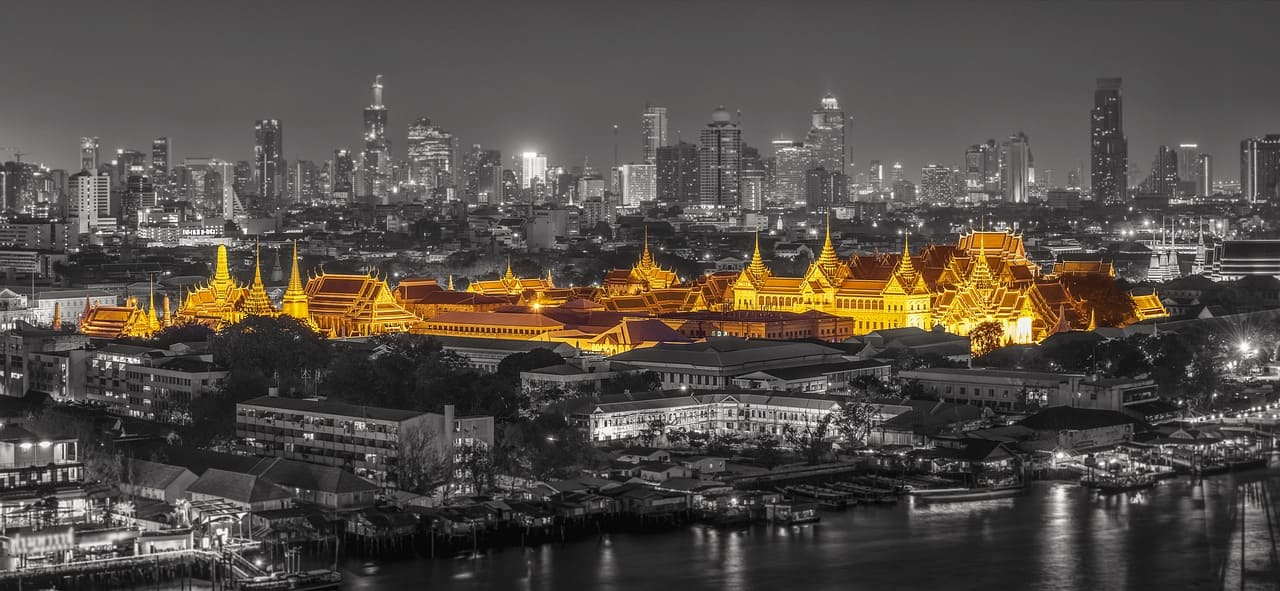
Bangkok needs more than a seasonal label. As of October 2026, the current Thailand advice reports flooding affecting Bangkok and suspended Thailand–Cambodia land crossings. These conditions override an old itinerary even if the usual weather calendar looks attractive. The southern Thai coasts also have differing rainfall patterns, so a mainland city window should not automatically determine the timing of a beach extension.
For Siem Reap, the drier part of the year often makes Angkor outings easier to organise, but heat and the distance between temples still shape the day. Start the main outdoor activity early and retain substantial breaks. Read the relevant regional advice before combining countries, and do not plan through affected border areas. Our Southeast Asia first-trip guide keeps entry and transfer questions separate from the seasonal decision.
Vietnam: use three regional calendars, not one
Northern Vietnam can feel cool during December–February, particularly compared with the tropical clothing expectations many first-time visitors bring. In Hanoi, a layer can be useful for neighbourhood walks and outdoor meals. March–April and October–November are often practical starting points for a northern urban route. These are planning windows rather than fixed comfortable temperatures, and a wider mountain trip needs its own altitude and weather assessment.
Central Vietnam has a different rainfall pattern, with significant wet-season concerns in the later part of the year. Hoi An should therefore not inherit a Bangkok or southern Vietnam dry-season recommendation without further thought. Flooding can affect streets, buildings and transport rather than merely interrupt a photograph. Build flexibility around the specific central-coast conditions and follow local access guidance when an excursion or accommodation area is affected.
In Ho Chi Minh City, the generally drier months around December–April can fit an urban visit, while rain becomes a more prominent consideration in much of May–November. Heat remains relevant even in a drier window. A north-to-south journey may require different clothing and different daily schedules within the same holiday. Limit the number of transfers if a changing weather pattern would make the route difficult to recover after a delay.
Japan and South Korea: flowering, foliage and summer demands
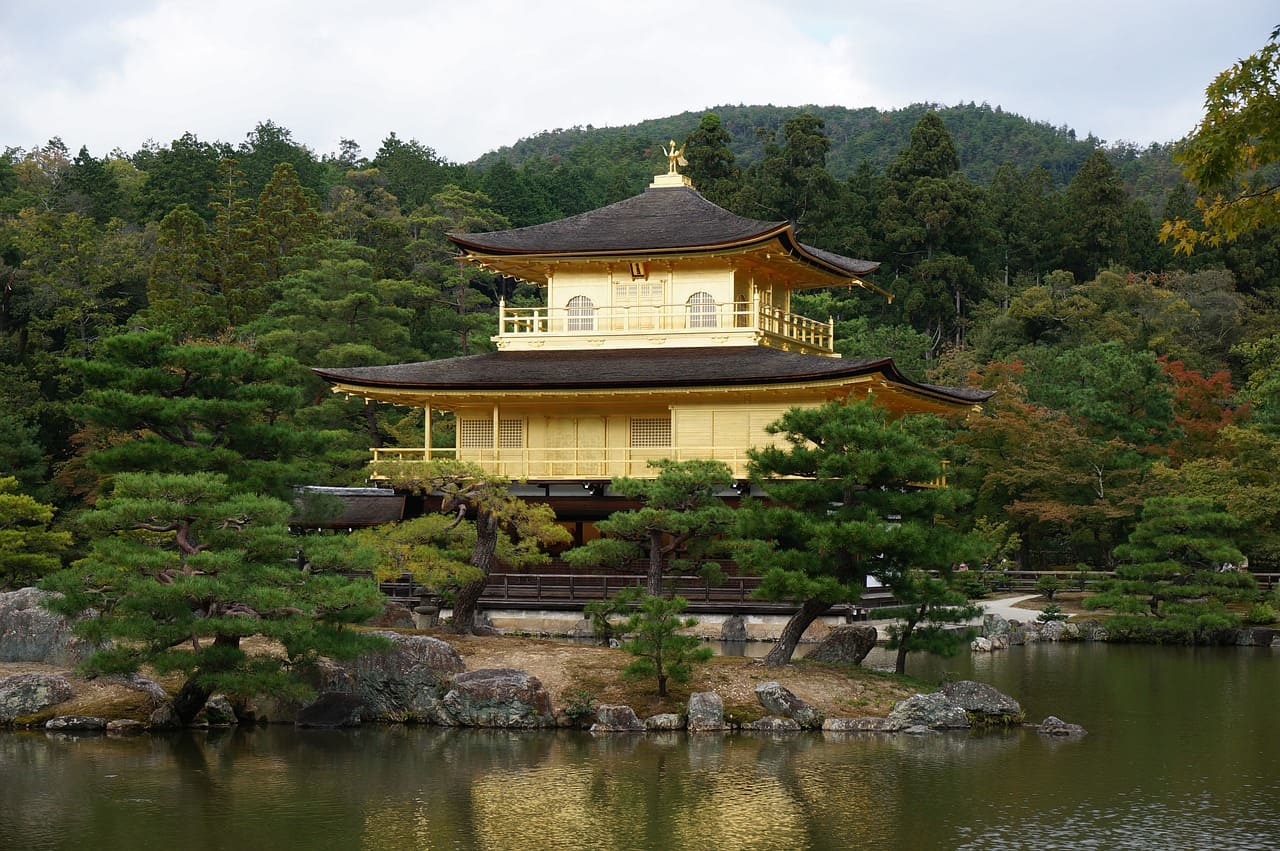
For Tokyo and Kyoto, late March–April is a familiar blossom-planning period, but flowering varies annually and across locations. Northern Japan generally reaches spring later than central and southern areas. Choose a route with museums, neighbourhoods and food you want independently of the flowers. A blossom forecast can help close to departure, but it cannot make a particular tree reach full bloom on your prepaid visiting day.
The JNTO June guide explains the rainy season's regional progression. June is not uniformly wet every hour, but an outdoor-only itinerary becomes less resilient. July and August can bring demanding heat and humidity, and late-summer typhoons can affect transport. Japan's Golden Week falls around late April–early May, adding a demand issue that is separate from the state of the blossoms or the weather on your dates.
Seoul is often attractive for spring and autumn urban days, while winter can be cold and summer humid with heavier rain periods. October can support palace and neighbourhood outings without implying that every autumn date is quiet. For Japan, foliage can extend into November in central destinations; the regional progression again matters. Our Japan logistics guide helps you avoid buying a transport product before choosing a route that fits the season.
China, Hong Kong and Taiwan: latitude changes the answer
Beijing has a continental seasonal pattern with cold winter conditions and a hot summer, making spring and autumn useful starting points for a sightseeing route. Shanghai has its own humid summer and cool-season conditions. A national timing label hides a large geographical difference. If your journey adds Guilin, investigate its rain and outdoor-excursion conditions instead of applying a northern Chinese forecast to the whole itinerary.
China's National Day is 1 October, and the holiday period around it can raise domestic travel demand. The same principle applies to Lunar New Year, whose Gregorian dates change annually. Do not invent a permanently quiet spring or autumn window without looking at the year's holiday calendar. Large events and school breaks can influence accommodation and transport even when the seasonal weather suits the route you would otherwise choose.
For Hong Kong and Taipei, heat, humidity and tropical storm risks deserve attention during the warmer part of the year. Autumn can provide another starting window, but storm seasons and individual warnings are not identical in every place. Use the responsible weather authority's current notices when disruption is possible. A museum and neighbourhood alternative does not make a cancelled flight or closed outdoor area safe to ignore.
India and Nepal: consider plains, altitude and air quality
For Delhi and Jaipur, October–March is often considered before the strongest pre-monsoon heat, but that window contains distinct conditions. Winter mornings can be cool, and Delhi's air quality can be a significant planning issue. March may already feel warmer than January. Avoid turning a broad northern-plains recommendation into a guarantee of comfortable outdoor sightseeing throughout every day of a six-month period.
India's monsoon patterns differ by region. Much of the country receives summer monsoon rain, but coast, altitude and location matter; an itinerary to another region needs its own calendar. December in the northern plains is not the same trip as a coastal or high-altitude visit. The packing organiser helps separate layers, rain protection and activity-specific equipment rather than presenting Asia as a destination for one light tropical wardrobe.
In Kathmandu, spring and autumn can provide useful starting windows, while a trekking extension adds altitude, route and specialist preparation questions. A suitable month in the city does not settle mountain conditions or your readiness for a particular trek. This article does not prescribe an altitude itinerary or health regimen. Select the actual activity first and obtain the appropriate destination and professional guidance instead of letting a general weather table make the decision for you.
Sri Lanka and tropical cities: choose the coast or the daily rhythm
Sri Lanka's southwest and northeast monsoons affect different areas, which is why the island does not fit one simple October–March recommendation. A south-and-west coast holiday is often considered around December–March or April, while an east-coast plan may favour a different window around May–September. These broad patterns overlap and vary; an excursion into the central highlands also brings elevation and different temperatures into the trip.
For Colombo, think about how rain and heat shape ordinary urban outings rather than treating the city as an interchangeable gateway to every beach. October–November can include inter-monsoon unsettled weather, so the final route needs more detail than an island-wide best-season label. Use Sri Lanka's tourism weather information and current local guidance for the actual places you will visit. Leave transport and outdoor excursions recoverable when conditions change.
Singapore offers a different example: tropical heat and rain are relevant throughout the year, even though rainfall patterns vary seasonally. An indoor museum, a hawker meal and an evening garden visit can form a practical day without promising a completely dry month. Our Asian food-city guide can help choose the meal-led part of a trip, which need not disappear because an afternoon becomes wet.
Match the regional windows to one workable route
Write down the dates and intended activities for each base, then mark its main seasonal constraint. A Tokyo blossom plan, an Angkor temple day and a Sri Lankan beach stay may not share the same ideal window. Decide which experience has priority and shorten the route if necessary. The destination finder helps identify alternatives that meet your interests without requiring a continent-crossing compromise simply to add another famous place.
Compare the actual transport and accommodation costs for the final window. The budget calculator helps include weather-related choices such as a comfortable room, practical transfers and an indoor alternative. Seasonal demand can increase prices independently of rainfall. Our European timing guide offers a useful contrast for a traveller choosing between continents, but the best decision remains tied to the specific itinerary rather than a continental average.
Finally, keep current conditions separate from long-term patterns. A usually suitable month can still contain flooding, a storm warning or a transport closure that requires changing the plan. The visa tool organises another independent task: entry rules do not become simpler merely because your weather window is sensible. A strong Asia itinerary aligns climate, permissions, travel time and the things you want to do, with enough flexibility for the part you cannot reserve: the weather itself.
Frequently asked questions
Is November to February the best season for all Southeast Asia?
That interval can suit some mainland routes but does not describe every coast or city in the region. Northern Vietnam may require warmer clothing, while central Vietnam has a different wet-season pattern. Choose the actual destinations first and use regional conditions rather than treating one dry-season label as a guarantee for the whole holiday.
Can I guarantee cherry blossoms by booking April in Japan?
An April booking does not guarantee a particular flowering stage at a particular location. Timing varies with the year's conditions and the region, with northern destinations generally following a different progression from central Japan. Plan cultural and neighbourhood experiences you would enjoy even if the flowers are early, late or affected by rain.
Why does Sri Lanka need more than one weather window?
The southwest and northeast monsoons affect different parts of the island, and the central highlands add elevation to the comparison. Choose the coast and activities before selecting a month. A season that suits a south-and-west route should not be transferred automatically to an east-coast holiday or a highland excursion.
Links & Resources
Sources for Asia regional weather
- Thailand tourism: Northern Thai seasons and destinations in their regional context
- Vietnam tourism: North, central and south Vietnam route differences
- JNTO weather planning: Japanese rainy-season and typhoon patterns
- Visit Seoul: Seasonal planning and Korean capital neighbourhood outings
- Hong Kong Observatory: Weather warnings and southern China climate context
- Incredible India: Regional Indian destinations for a season-led itinerary
- Nepal Tourism Board: Altitude and regional travel context for Nepal
- Sri Lanka tourism weather: The island’s distinct monsoon and coastal patterns