Kyoto Travel Guide: Sights, Neighbourhoods & Tips for 2026
Kyoto is easier to appreciate when you resist the temptation to collect temples. The famous gates, gardens and old streets are spread across a working city, and a rushed route can leave you remembering buses rather than places. This Kyoto travel guide builds a first visit around manageable areas, useful transport connections and time to look properly at what you came to see.
Japan's former imperial capital retains important buildings, artistic traditions and religious sites, but it is not a city frozen outside modern life. Three or four days offer a useful introduction. Plan a few priorities, accept that seasonal crowds are real and treat residential streets and places of worship with the same consideration you would expect at home.
Kyoto's eastern slopes, southern shrine paths and western riverside need separate visiting blocks. Kyoto Travel — city guide brings those areas together with seasonal and neighbourhood guidance. Give Higashiyama, Fushimi Inari and Arashiyama their own time, rather than using the city's reputation for tradition as a reason to put every famous temple into a single bus itinerary.
Where to stay in Kyoto: station convenience or a central neighbourhood
Near Kyoto Station is practical if you have onward trains, luggage and early departures. It also makes the first arrival straightforward, though you will still travel to many major sights. Shijō–Karasuma offers a central base with restaurants and useful transport connections. Choose the specific location according to the rail and subway journeys in your plan rather than relying on a hotel describing itself as being close to everything.
Higashiyama and parts of Gion can be attractive for an early neighbourhood walk, but old buildings, steps and restricted vehicle access may complicate luggage or mobility. Ask about the actual entrance, room access and night-time noise. A traditional-style stay can be rewarding if you understand bedding, bathing arrangements and meal schedules. It should be chosen for that experience, not merely because its photographs appear more appropriate for Kyoto.
During blossom and autumn-leaf periods, accommodation can be busy and expensive. Compare your exact dates early and keep cancellation terms in mind if your itinerary is still evolving. A convenient base often saves more energy than changing hotels to be closer to different sights each night. Travellers who prefer Osaka's evening atmosphere can visit Kyoto from there, but commuting repeatedly reduces the quiet morning and evening time available in the city itself.
Kyoto Station simplifies luggage and onward trains; Shijō–Karasuma offers a central restaurant base with different local connections. Compare the seasonal room totals through the city-cost comparison tool, especially when blossoms or autumn foliage drive demand. In the packing planner, favour a compact bag for shrine paths, layers for evening walks and shoes suited to temple approaches.
Kyoto temples and shrines: choose a few and understand the differences
Fushimi Inari Taisha is a Shinto shrine, not a Buddhist temple. The familiar torii gates lead into a hillside setting, so a visit can be a brief lower-area walk or a longer climb depending on time, weather and mobility. Do not assume that a photograph of the entrance describes the whole route. Wear suitable shoes, follow the signs and avoid obstructing narrow paths while waiting for an empty frame.
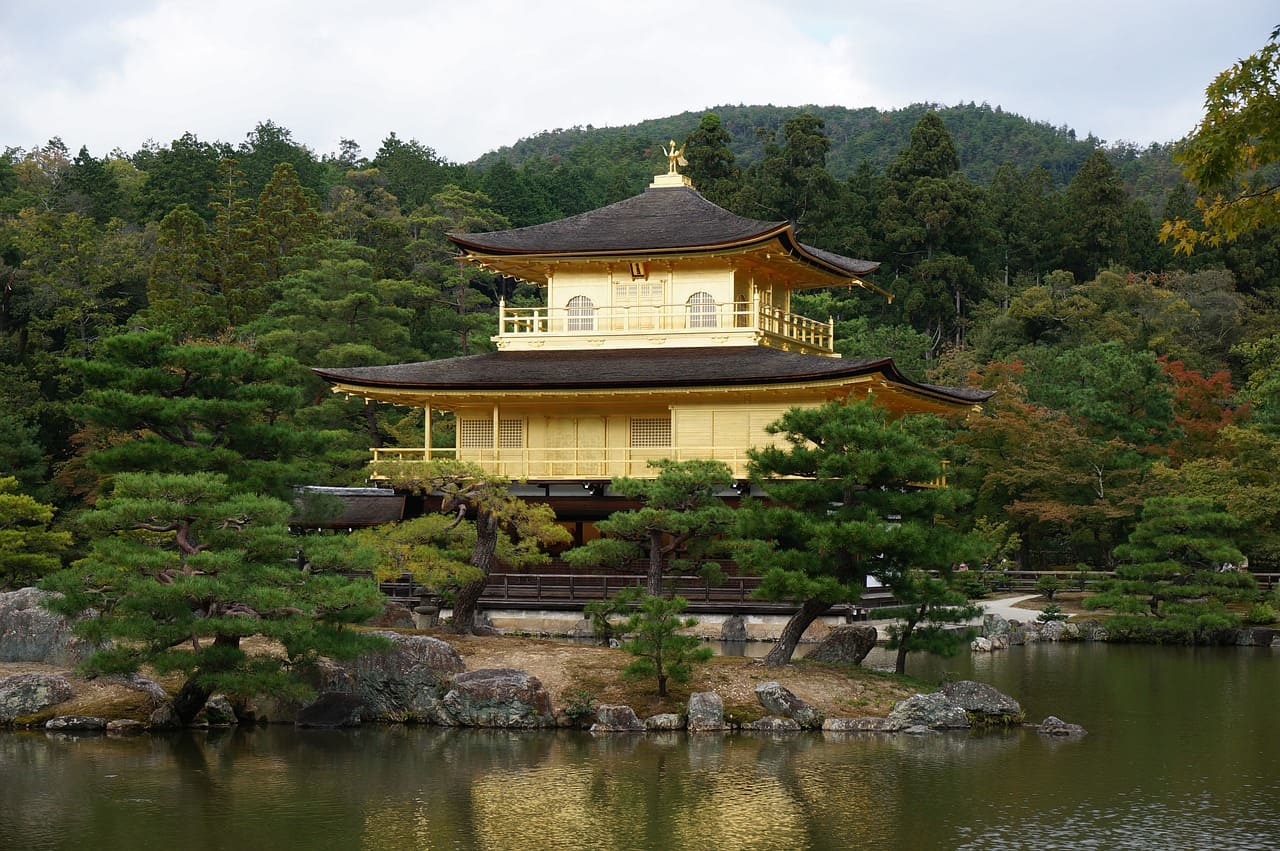
Kiyomizu-dera's veranda projects from the hillside on wooden columns around 13 metres high. Its elevated setting explains both the view and the climb through eastern Kyoto. Give the temple time beyond the shops on the approach, then explore Higashiyama locally. Kinkaku-ji, the Golden Pavilion, sits in another part of the city and belongs to a separate north-western block rather than an ambitious cross-city chain attached to every eastern sight.
Choose additional temples according to what interests you: gardens, sculpture, architecture or religious history. Similar-looking names in a list do not mean equivalent visits. Many places have their own admission, photography and footwear rules, and special displays or seasonal openings may change the experience. Read the official information before arrival. A short, attentive visit to two sites often leaves a stronger impression than a day spent reaching six and leaving each as soon as the photograph is taken.
Gion, Higashiyama and Arashiyama without treating residents as scenery
Gion is a working neighbourhood associated with performance and hospitality traditions, not a public stage where visitors are entitled to photograph anyone they encounter. Observe signs, restricted lanes and privacy. Do not follow, stop or touch a geiko or maiko, and do not enter private areas for a better picture. If you want a cultural performance, look for an organised public programme and understand what it includes.
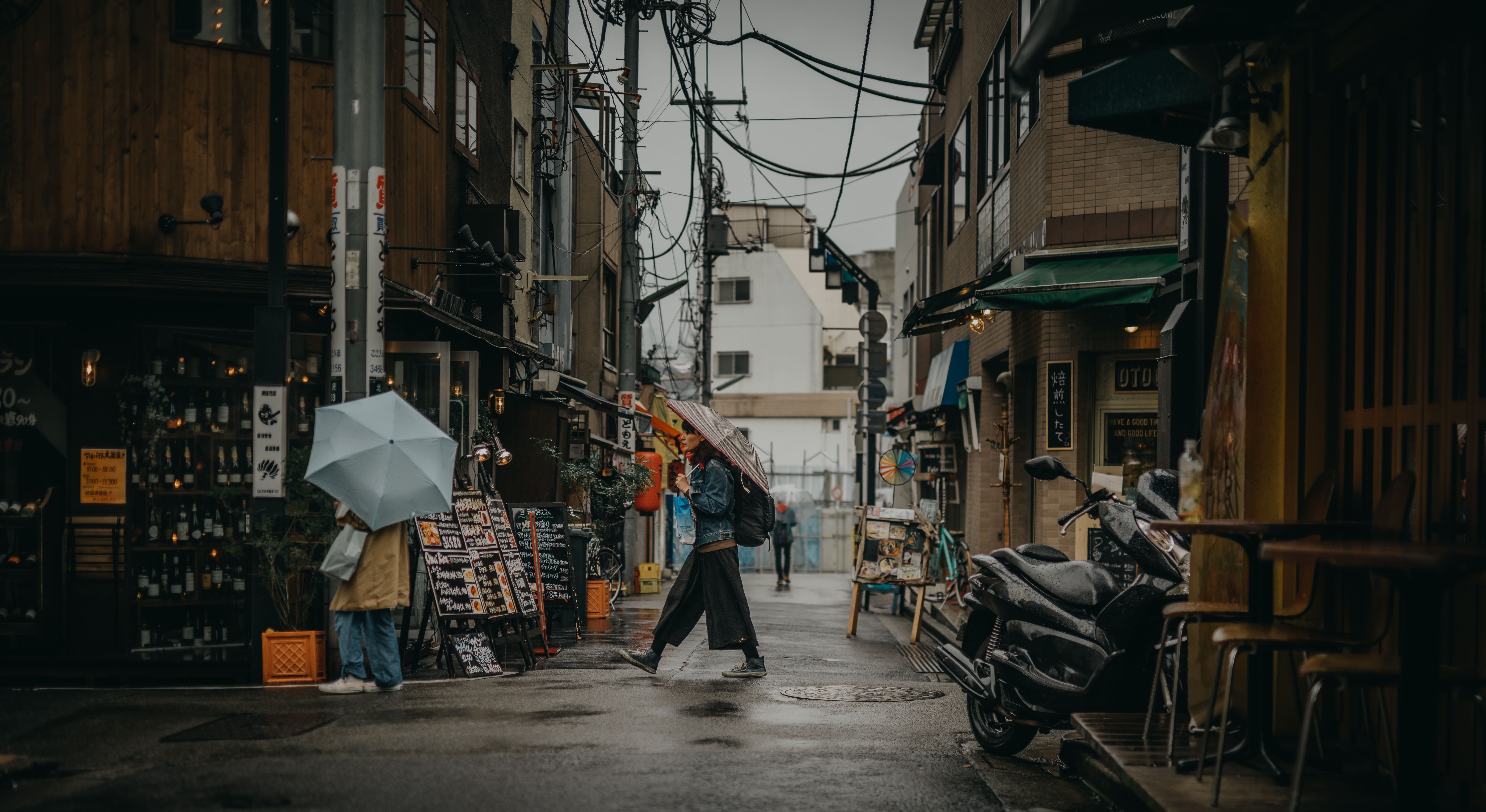
Higashiyama suits a walking block with a few chosen stops rather than continual transport changes. Traditional-looking streets contain businesses and homes as well as sightseeing, so leave room for local movement. Buy from shops that interest you, but do not assume every souvenir was made locally. A tea or craft experience can be valuable if it is clearly explained and run by someone qualified; a costume photograph is a different activity and should not be presented as equivalent cultural understanding.
Arashiyama's bamboo grove is only part of a wider area with river scenery, temples and walking possibilities. Arrive with a plan beyond the most photographed path. Early visits can offer a different atmosphere, but shops and interiors may not yet be open. Decide whether you are visiting for a quiet outdoor walk or a fuller day and adjust timing accordingly. Leave bamboo, gardens and structures untouched and follow any closures rather than stepping off marked routes to avoid other visitors.
Getting around Kyoto: use rail for the main links, then walk locally
Kyoto's main sightseeing areas follow different transport corridors. Fushimi Inari has a useful JR Nara Line connection from Kyoto Station, while Arashiyama sits to the west and Kinkaku-ji in the north-west. Use rail or subway for a sensible main link and walk within the chosen area. The apparent convenience of one direct bus can disappear when traffic and crowds fill the route, particularly with luggage or several distant temples in the same plan.
Check the current transport products and coverage before buying a day pass. Different rail companies and bus services do not all fall under the same rules. Compare the actual trips in your day rather than assuming an unlimited product is automatically cheaper. A compatible IC card can simplify ordinary payments, but it does not replace every separate ticket required for a particular train service. Consult the operators when a journey involves reserved or limited-express travel.
Leave large luggage at your accommodation or use an appropriate storage or delivery service before sightseeing. Fushimi Inari's paths and Higashiyama's lanes are easier with a compact bag, while crowded buses are better used without a suitcase blocking other passengers. Establish the step-free station exit if mobility needs make it essential. Give each visiting block room for the final approach, a meal and a pause rather than building the day around perfectly timed arrivals at several distant sights.
Kyoto Travel — getting around shows why rail works well for several headline sights: Fushimi Inari has a direct JR Nara Line connection from Kyoto Station, while Arashiyama has different station choices. Use those corridors for the main journey and explore locally on foot. This is more comfortable than carrying large bags through a crowded sightseeing bus.
Kyoto food: tofu, noodles, sweets and a realistic special meal
Kyoto's food traditions include tofu dishes, seasonal vegetables, noodles and carefully presented sweets. A simple bowl or set meal can be a better everyday choice than trying to book elaborate cuisine at every sitting. If you want a formal multi-course meal, understand the price, reservation conditions, timing and dietary limits before committing. The experience often depends on a fixed sequence and advance preparation rather than ordering freely on arrival.
Nishiki Market is useful for browsing food businesses, but narrow passages and posted eating rules deserve attention. Use designated places to eat instead of treating the shopping street as an unrestricted walking buffet. Ask before taking close-up photographs of a stall or staff. Matcha sweets are one possible stop; they do not need to become a queue at every fashionable shop. Look for something you actually want to taste rather than a menu chosen entirely for its colour.
The Kyoto restaurant page helps identify options, but confirm directly when an allergy or strict diet affects your choices. Fish stock and other ingredients can be present in dishes that seem vegetable-based, and a polite response may still require a clear translation of your requirement. Have a suitable fallback if a small establishment cannot accommodate you. For a longer Kansai stay, Osaka offers a different food outing, while a day in Nara pairs its own cultural sights with a separate regional visit.
A three- or four-day Kyoto itinerary by area
| Day | Area | Priority |
|---|---|---|
| 1 | Higashiyama and Gion | Visit Kiyomizu-dera and observe neighbourhood rules. |
| 2 | Fushimi Inari and central Kyoto | Choose the length of the hillside walk. |
| 3 | Arashiyama | Plan beyond the bamboo photograph. |
| 4 | North-west or central culture | Choose Kinkaku-ji or castle and museum time. |
Use one day for southern Higashiyama, Kiyomizu-dera and a respectful walk towards the Gion area. Keep the route compact and leave time for the approaches, a meal and the temple itself. A second day can focus on Fushimi Inari, with an additional museum or central activity if your visit is shorter. Do not assume the full hillside walk will leave everyone ready for a long afternoon of climbing elsewhere.
Give Arashiyama its own morning or day according to your interests. Add a temple, river walk or other nearby experience rather than immediately returning across the city after the bamboo photograph. On a fourth day, choose Kinkaku-ji with a manageable north-western route, or Nijō Castle and a museum closer to the centre. Each option provides a different emphasis; there is no requirement to see them all to justify visiting Kyoto.
In peak seasons, reserve the experiences that genuinely need booking and keep the rest flexible. A rainy day can favour a museum or an indoor cultural programme, while exposed walking should respond to temperature and conditions. If you want Nara, replace a Kyoto day or add another night rather than squeezing it into an exhausted evening. First-time visitors often gain more from a second quiet walk in an area they enjoyed than from travelling to one more distant temple.
A combined Japan trip needs time for both cities: our Tokyo–Kyoto comparison contrasts Tokyo's district-based days with Kyoto's spread-out shrine and temple areas. The first-time Japan planning guide handles the intercity rail and luggage questions. Allocate the Kyoto nights first, then decide which northern temple or museum earns an extra day instead of attempting them all on arrival afternoon.
Kyoto seasons, budget and responsible planning
The approximate 2026 daily budget above assumes a person sharing a modest private room, ordinary meals, local transport and some admissions. It excludes intercity rail, flights and premium ryokan or dining experiences. Prices for accommodation can rise sharply around popular seasonal dates, so obtain actual quotes before committing to the rest of the route. Avoid calculating a whole visit from one unusually cheap hotel listing with limited availability.
Cherry blossom and autumn foliage are seasonal processes, not appointments guaranteed by a calendar. Weather changes the timing, and famous places remain busy even when the display differs from expectations. Summer can be hot and humid; winter changes daylight and comfort on exposed routes. Pack suitable layers and shoes, and check the forecast close to travel. Choose a trip you would still enjoy if blossoms, leaves or perfect clear skies did not cooperate.
Read Kyoto's responsible-travel guidance and current national entry and safety information. Follow photography restrictions, keep voices low in residential areas and respect religious practice. Travelling lightly and choosing fewer areas each day reduces pressure on transport as well as fatigue. If combining Kyoto with Tokyo, compare intercity travel, baggage and overnight stays through the Japan planning guide. The practical choice is how to give each city enough time, not whether one represents all tradition and the other all modernity.
Travellers who enjoy gardens and considered cultural visits can begin with destinations similar to Kyoto, then use the destination finder to choose how much urban bustle they want on a later trip. For Japan, the visa planning tool organises entry questions and the currency converter converts the yen budget. Keep intercity rail separate from Kyoto's room, meal and local-transport allowance.
Frequently asked questions
How many days do you need in Kyoto?
Three or four days allow a focused introduction to Higashiyama, Fushimi Inari and Arashiyama, with room for another museum or temple area. Fewer days require fewer priorities. Nara is better planned as a replacement day or an extension than squeezed into an exhausted evening.
Can you photograph geiko or maiko in Gion?
Do not assume that being in a public-looking street gives permission to photograph or follow someone. Observe signs, restrictions and privacy, and never obstruct a person heading to work. An organised public cultural programme is a better option if you want a clearly explained performance experience.
Are buses the best way to visit every Kyoto sight?
Not always. Fushimi Inari is reached conveniently by rail from Kyoto Station, while Arashiyama has several rail approaches and the eastern districts can be explored as walking blocks. Buses fill other gaps but can be crowded. Choose the main transport corridor for each area first, then compare fare coverage for the particular operators instead of assuming one day pass includes every useful service.
Links & Resources
Official sights, culture and planning
- Fushimi Inari Taisha: Shrine background and visitor information.
- Kiyomizu-dera: Temple history and visiting arrangements.
- Kinkaku-ji: Official Golden Pavilion information.
- Nijō Castle: Visitor access, exhibitions and ticket information.
- Kyoto National Museum: Collections, exhibitions and museum access.
- Kyoto Travel — responsible visits: Conduct, luggage and respectful neighbourhood visits.
- UNESCO — Historic Monuments of Ancient Kyoto: The monuments included in the World Heritage inscription.
- UK government — Japan travel advice: Entry and current safety guidance.
On GuesTheCity
- Explore the city map: Separate Higashiyama, Fushimi and Arashiyama before choosing daily connections.
- Play Guess the City: Practise recognising Kyoto’s shrine and temple landmarks.