Tokyo vs Kyoto: Neighbourhood Energy or Temple Days?
Tokyo and Kyoto are not a simple choice between modern life and preserved tradition. Tokyo contains old temple streets, while Kyoto is a functioning contemporary city with stations, restaurants and residential districts. Their most useful difference for a visitor is the shape of the day: Tokyo works through large neighbourhoods, while Kyoto's headline cultural sites occupy several separated areas.
This Tokyo vs Kyoto guide helps you decide on one destination or an unhurried two-city route. It compares sights, food, bases, transport and costs without turning Kyoto into an imaginary quiet museum. If Japan is your main trip rather than a brief stopover, the two cities can complement each other well, provided the overnight stays and transfer have room in the schedule.
Tokyo and Kyoto compared: days, meals and city scale
| Decision | Tokyo | Kyoto |
|---|---|---|
| Daily planning budget, approximate 2026 | ¥18,000–32,000 | ¥16,000–28,000 |
| Best for | Urban districts, specialist food and museums | Shrines, temples, gardens and cultural experiences |
| Movement pattern | Rail between districts, selected station exits | Rail corridors and walking within each visiting area |
| What to eat | Ramen, soba, sushi, curry and set meals | Tofu dishes, seasonal meals, noodles and matcha sweets |
| Season to consider | Spring or autumn for walking, with variable crowds | Blossom or autumn colour if seasonal demand suits you |
| Days before onward travel | About five full days | Three or four full days |
The yen ranges are illustrative 2026 daily allowances per traveller sharing a modest private room, eating ordinary meals and using local transport with selected paid visits. International flights and the intercity Shinkansen are additional. Kyoto can become expensive during blossom and foliage periods, so a smaller city is not automatically a cheaper room. Compare actual dates rather than basing the whole budget on a low-priced noodle meal.
Sights and atmosphere: Shibuya districts or hillside temples?
Tokyo's appeal comes partly from how different its districts feel. Asakusa's Sensō-ji approaches, Ueno's museum cluster, Akihabara's specialist shops and Shibuya's busy streets call for different visiting patterns. Group eastern stops on one day and western ones on another. Tokyo Skytree reaches 634 metres and opened in 2012; it belongs naturally with an eastern outing, while collecting several observation decks is an optional interest rather than a necessary introduction.
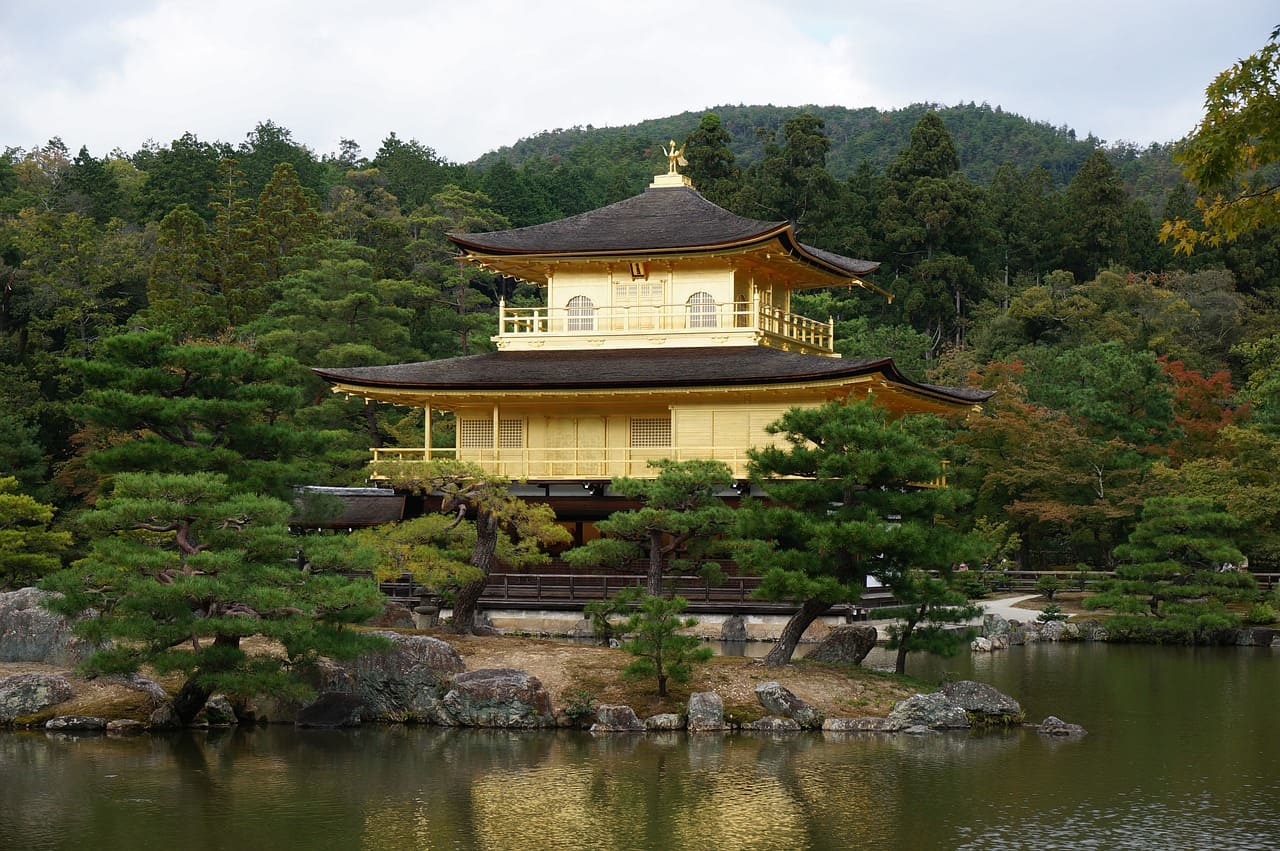
Kyoto gives you Fushimi Inari's Shinto shrine paths, Kiyomizu-dera's hillside temple and the western river setting of Arashiyama. They are distinct sites, not adjacent stops on a single walking circuit. Kiyomizu's wooden veranda stands on columns around 13 metres high, explaining both the view and the approach. One eastern area, one southern shrine visit and one western outing produce a clearer introduction than a full day spent changing buses between famous photographs.
The label of a calm Kyoto retreat can mislead during peak seasons. Gion and the best-known temple approaches may be crowded, while a quieter Tokyo neighbourhood can provide an easier hour of wandering. GO TOKYO helps choose Tokyo districts; Kyoto Travel explains Kyoto areas and considerate behaviour. For a cultural programme, select an organised experience that describes its content rather than treating residents, worshippers or performers travelling to work as public attractions.
Tokyo vs Kyoto food: specialist counters and regional traditions
Tokyo is ideal for repeated meals at specialists: ramen, soba, sushi, curry or a set-meal restaurant focused on a smaller range. Tsukiji Outer Market remains a food-shopping destination near Ginza, but the wholesale operation moved to Toyosu in 2018. Choose the surviving market for its shops and restaurants, and eat in permitted spaces. It does not need to become an expensive sushi booking at every sitting to make food a substantial part of the holiday.
Kyoto offers tofu dishes, seasonal vegetables, noodles and sweets alongside contemporary cooking. Matcha can be a short tasting stop rather than a queue at every fashionable dessert business. A formal multi-course meal is a separate planned experience with timing, price and dietary limits to discuss beforehand. Nishiki Market is a narrow shopping setting: browse deliberately and use designated eating areas instead of interpreting the whole street as an unrestricted walking buffet.
Use Tokyo restaurant ideas for Tokyo possibilities and Kyoto dining options when a Kyoto meal is central to the day. Then reserve the chosen place directly if it needs booking. Fish stock and other ingredients can appear in dishes that look vegetable-based, so explain dietary requirements precisely. Tokyo has the advantage for a varied series of urban food specialisms; Kyoto suits a traveller who wants meals woven into a garden, temple and cultural itinerary.
Where to stay: rail exits in Tokyo and visiting corridors in Kyoto
Shinjuku and Shibuya favour Tokyo's western shopping and evening plans; Ueno and Asakusa support an eastern start. A hotel beside a station symbol may still involve a substantial walk through corridors and exits. Choose the exit you will use and the airport connection, not just the size of the surrounding district. A compact room near the right line can provide a more comfortable trip than extra floor space with several daily transfers.
Near Kyoto Station is practical for luggage and onward trains, while Shijō–Karasuma provides a different central restaurant base. Higashiyama can reward an early neighbourhood walk but may involve steps, slopes and restricted vehicle access. Traditional accommodation has its own bedding, bathing and meal arrangements; choose it for an experience you want, not because a decorative photograph seems to certify a more meaningful Japan visit.
For the full city days, the Tokyo city guide expands the Tokyo neighbourhood routes and the Kyoto city guide develops Kyoto's cultural areas. The useful comparison is how each base supports those patterns. Kyoto from another city can work as a day outing, but repeated commuting removes time for its quieter mornings and evenings. For a combined trip, a straightforward base in each city is normally more helpful than several hotel changes designed to follow individual attractions.
Trains, buses and the Tokyo–Kyoto transfer
Tokyo Metro, Toei and JR operate different local networks. Compatible IC payment simplifies many ordinary rides, while a pass for one operator does not cover every train in a journey result. Station numbers help you follow a route, but exits remain important for the final walk. Trains stop overnight, so a late Shibuya or Shinjuku evening needs a planned last useful departure rather than an assumption of round-the-clock rail.
Kyoto's rail corridors serve several major areas well: the JR Nara Line is useful for Fushimi Inari, and Arashiyama has different rail approaches depending on your starting point. Buses fill gaps, but popular services can be crowded. Leave large cases at your accommodation and travel locally with a compact bag. Doing fewer areas properly also reduces the temptation to squeeze a suitcase into a busy sightseeing bus between hotel changes.
The Tokaido Shinkansen links the cities, with faster services taking roughly two hours to a little over two hours depending on the departure. The hotel-to-hotel block is longer because it includes station travel, boarding and the final connection. Use the linked JR Central and SmartEX resources for the actual schedule, fare and luggage rules. A national rail pass deserves comparison with the whole route; it should not be bought automatically for a single intercity transfer.
Seasons and costs: avoid treating blossoms as an appointment
Spring blossom and autumn colour can attract demand in both cities, with particularly concentrated pressure at Kyoto's famous sites. Flowering and foliage respond to weather rather than a guaranteed booking date. The best-time planner helps compare the broad seasonal pattern, but choose a trip you would still enjoy if the display arrived earlier or later. Tokyo's museums and indoor shopping provide many alternatives; Kyoto needs a thoughtful mix of interiors and exposed approaches.
Summer can be hot and humid in both places. Kyoto's slopes and outdoor temple paths can make that feel different from a Tokyo day with frequent indoor stops, while winter gives shorter daylight and cold evenings. Shoes suitable for extended walking matter in either itinerary. Decide on the main visiting area first, then include a rest or meal there instead of making every weather change an excuse to cross the city.
Put room quotes, ordinary meals and admissions into the trip budget estimator, with the Shinkansen in a separate transport line. The currency converter translates yen into your home budget, but your actual card or exchange provider determines the conversion you pay. Our first-time Japan guide covers the wider first-time logistics if the route continues beyond these two stays. Current entry and travel information belongs with the national authority and government resource, rather than an assumption that a rail reservation establishes permission to enter.
The choice: one city for a short stay, both for a fuller Japan trip
Choose Tokyo for urban food variety, museums, specialist shopping and several markedly different districts. Five days let Asakusa, Ueno, the western areas and a food-focused central outing have room. Choose Kyoto when shrines, gardens and cultural experiences are the main priorities, allowing three or four days with separate eastern, southern and western blocks. Tokyo's size and Kyoto's scattered sights both punish a route built purely from photographs.
Two full days: pick districts or cultural areas, not both cities
A very short Tokyo introduction can pair Asakusa and Ueno on an eastern day, then Meiji Jingu, Harajuku and Shibuya on a western one. Choose the museum or viewpoint that matters most inside those blocks and let meals stay nearby. This route gives two different urban settings without using half the stay on a return excursion. It also makes a central airport connection easier to absorb than a final night dependent on getting back from an intercity train.
For two Kyoto days, choose Higashiyama with Kiyomizu-dera and a respectful Gion walk, then Fushimi Inari with a selected central experience. Arashiyama can replace the second block if the river and western landscape are the main draw. Do not add it automatically as a third distant area. A quiet pause at a temple or a considered meal earns more from limited time than an itinerary whose only flexibility is how briefly you can stop at each famous gate.
For a combined introduction, allocate around five Tokyo days and three or four Kyoto days, with a transfer block that does not carry another major museum reservation. Arriving in one region and departing from the other may reduce backtracking when flight options fit. A very short stay can be better spent in one city: Kyoto should not become an expensive return train journey with just enough time for two rushed temple photographs.
Use the city comparison tool to weigh museums, shrine walks, food and rail time against the nights available. Both cities contain modern and older experiences, so a choice based on personal priorities is more accurate than assigning all tradition to Kyoto and all contemporary culture to Tokyo. Leave enough freedom for a neighbourhood meal or a place you want to revisit rather than treating the transfer as the only event that matters.
Frequently asked questions
Is Tokyo or Kyoto better for a first visit to Japan?
Tokyo suits travellers drawn to large-city districts, specialist meals, shopping and museums. Kyoto is the stronger choice for a trip organised around temples, shrines and gardens. With enough nights, the contrast makes a combined stay rewarding; with a short visit, choose the experiences that matter most instead of rushing both.
Can you visit Kyoto as a day trip from Tokyo?
The rail connection makes it possible, but the return journey consumes substantial time and money before local Kyoto travel. It leaves little room for several separated temple areas. An overnight stay is a better fit for a cultural visit, while a Tokyo-only itinerary avoids a hurried excursion when your total time is limited.
Is Kyoto necessarily cheaper than Tokyo?
No. Kyoto accommodation can become expensive around blossom and foliage demand, while Tokyo offers a wide range of ordinary meals and neighbourhood bases. Compare your actual dates and room requirements, then add the activities you want. The intercity train is separate from the daily local-stay ranges shown above.
Links & Resources
Culture, transport and visitor requirements
- Tokyo Metro: Subway operators, exits and local fare products.
- JR East: Tokyo-area rail and airport connections.
- Tsukiji Outer Market guide: The surviving shops, food businesses and visitor conduct.
- Tokyo Skytree: Observation choices in eastern Tokyo.
- Fushimi Inari Taisha: Shrine context and the hillside setting.
- Kiyomizu-dera: The Higashiyama temple and its wooden stage.
- Kyoto transport guidance: Rail corridors and bus alternatives for the temple districts.
- JR Central: Tokaido Shinkansen services between the two stays.
- SmartEX: Shinkansen reservations and luggage arrangements.
- Japan travel advice: National entry and practical travel information.
On GuesTheCity
- Explore the map for Tokyo and Kyoto: locate the districts and connections behind this comparison.