Sydney Travel Guide: Sights, Neighbourhoods & Tips for 2026
Sydney is best planned around the harbour and a few distinct areas rather than an assumption that every beach is a short stroll from the centre. This Sydney travel guide helps you combine the Opera House, ferries, museums and coastal walks while keeping transport, weather and swimming conditions in view. Four or five days allow the highlights without making each day a long cross-city transfer.
The city stands on Aboriginal lands with histories that predate the colonial settlement by many thousands of years. Make time for cultural interpretation as well as the familiar skyline. A first visit can be active and outdoors, but it should still include rest, sun protection and an alternative when wind, rain or sea conditions change the plan.
Sydney's harbour and ocean coast offer different kinds of outdoor day: a Manly ferry journey is not the same outing as Bondi's cliffside path. Destination NSW — Sydney guide helps connect those choices with gardens, cultural stops and neighbourhoods. Give the harbour an orientation day, then reserve a separate block for the coast and its weather-dependent activities.
Where to stay in Sydney: harbour convenience or a neighbourhood base
The CBD joins museums, rail and harbour connections; Circular Quay places the main waterfront departures close at hand. Surry Hills adds cafés and restaurants with a different evening pattern, particularly around the streets reached from Central. These bases favour different daily routes. Choose the station or wharf you expect to use and the final walk to the hotel, rather than assuming every property described as central is equally convenient after a long harbour or coastal day.
Bondi accommodation is most useful when several beach or coastal mornings are a priority. A harbour-heavy stay from there introduces repeated journeys back towards the CBD. Manly offers another coastal base, connected to Circular Quay by ferry, with its own evening and return-service pattern. Choose between them according to the days you actually want to spend by the water, not simply because both addresses look closer to a beach in the photographs.
After an intercontinental flight, luggage storage and an early-arrival arrangement are useful hotel details. Ask about room access if mobility shapes your stay. Families may value a kitchen or laundry more than a landmark view. Match the base to harbour or coastal days so every evening does not become another lengthy transfer.
A Circular Quay or CBD base suits repeated harbour journeys, while Bondi accommodation earns its value through substantial beach time. Compare the resulting transport and room costs in the city-cost comparison tool. In the packing planner, prioritise sun protection, walking shoes and a useful layer for ferries, alongside beach items you can carry easily on public transport.
Sydney Harbour: Opera House, the bridge and a useful ferry trip
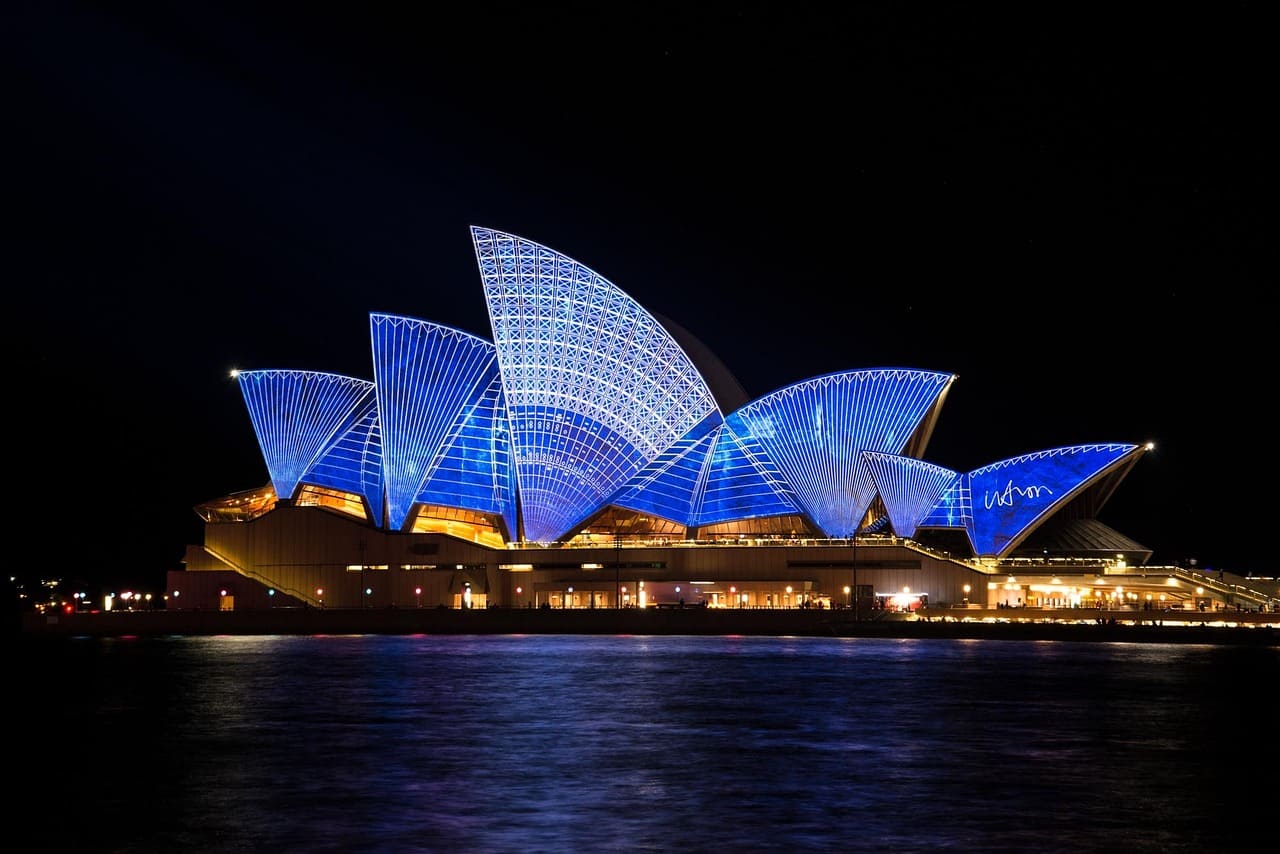
The Sydney Opera House opened in 1973, following the design of Danish architect Jørn Utzon. Its waterfront exterior is a worthwhile experience on its own; a building tour or performance adds a different layer. Choose a programme you want to hear or a tour that explains the architecture, then confirm the visit format and access on the venue's site. Choose the programme for its content, as well as the setting.
The Harbour Bridge opened in 1932, four decades before the Opera House. Together they create the familiar Circular Quay panorama, but they can be appreciated in several ways. Walk the foreshore and Botanic Garden, or use the bridge's pedestrian route for a different alignment of the harbour. A paid bridge climb is a separate organised activity with its own requirements, not an ordinary extension of a casual waterfront walk. The Rocks adds a nearby colonial-history perspective that deserves interpretation beyond attractive stone buildings.
A Manly ferry gives you a harbour crossing followed by a proper coastal neighbourhood visit. Public transport brings boarding, crowding and weather considerations rather than the format of a private sightseeing cruise. Make lunch and a manageable local walk part of the day so the crossing leads to an experience ashore. Wind and rough conditions can change comfort, especially for travellers sensitive to motion, and the return sailing belongs in the plan before a fixed evening event.
Sydney culture, museums and Aboriginal interpretation
The Art Gallery of New South Wales gives you art collections and exhibitions, while the Australian Museum approaches cultural and natural-history subjects differently. Select according to what you want to learn and use the institution's programme for any paid exhibition or reservation you intend to attend. A museum day belongs in the itinerary for its own value, particularly after a coastal day, rather than being left solely as a rainy-hour fallback with no time to explore the collection.
Include Aboriginal perspectives through museum interpretation or an appropriate Indigenous-led experience. The history of the city does not begin with the First Fleet, and the harbour's landscapes have cultural meaning beyond their usefulness as viewpoints. Look for clearly identified providers and read what a programme covers. Avoid treating a brief performance or souvenir purchase as an adequate account of diverse Aboriginal cultures and their continuing place in the region.
The Rocks, Surry Hills and other neighbourhoods can each be approached through a focused walk rather than a list of famous cafés. Notice the relationship between the waterfront, commercial centre and residential streets. For evening culture, compare performances, exhibitions or small music venues that fit the day and your return route. A familiar international show is one choice, but local programming can provide a different reason to visit rather than simply reproducing an evening you could have elsewhere.
Getting around Sydney: contactless payment, Opal and airport rules
Use Transport for NSW to plan the combination of trains, buses, light rail and ferries that fits your route. Check current contactless and Opal conditions, including eligibility, concessions and how to tap on and off. Do not assume that every traveller can use the same discounted fare or that a daily cap makes every journey identical in cost. Airport station arrangements and particular services can affect the total.
Use one consistent payment method through the operator's required tapping process; a phone wallet and physical card can be treated separately. The final walk from a wharf or station matters as much as the ride, especially around harbour slopes. Travellers needing step-free access should establish the specific vehicle, exit and destination entrance. Plan a direct connection for a long coastal day rather than choosing a route only because it removes one minute from the timetable.
For Bondi, identify the bus or combined route from your base rather than assuming it is beside the central rail station. For Manly, build the ferry into the day and allow time at the wharf. A car is not essential for a city-focused first visit and can introduce parking costs and traffic delays. If an onward trip outside Sydney requires a vehicle, evaluate that separately instead of renting for every day simply because Australia is geographically large.
Transport for NSW combines ferries with trains, buses and light rail in one route-planning source. For Bondi, plan an eastern-suburbs connection rather than looking for a harbour ferry; for Manly, make Circular Quay your starting point. Those two simple distinctions matter more to a first itinerary than treating every beach as equally close to the CBD.
Sydney beaches and coastal walks: scenery does not establish safe swimming
The full Bondi–Coogee coastal walk is about six kilometres, passing beaches including Tamarama and Bronte. You can choose a shorter section instead of making the whole route compulsory. Use the NSW parks and local visitor alerts for current path conditions, then carry water and shoes suited to exposed walking. A café stop is a welcome break, not the only water plan. The route's sun, cliffs and wind make it a different activity from a short shaded city stroll.
For swimming, follow the lifeguards, beach signs and flags. Swim between the red and yellow flags at patrolled beaches when the beach is open for that purpose, and do not assume a calm-looking patch elsewhere is suitable. Rip currents and changing conditions require more attention than a photograph suggests. Check Beachsafe and local instructions for the actual beach and time of your visit. If you are uncertain, remain out of the water.
Manly and the eastern beaches offer different day structures, so choose rather than attempting every famous stretch of sand. A harbour-side walk or a museum can be a sensible alternative when conditions are unsuitable for the ocean. Do not climb barriers or approach cliff edges for a photograph. Travelling with children or weaker swimmers means selecting activities around the conditions and supervision available, not treating swimming as compulsory because the trip is described as a beach holiday.
A four- or five-day Sydney itinerary that follows the harbour
| Day | Area | Priority |
|---|---|---|
| 1 | Harbour foreshore | Keep the Opera House, garden and Rocks route manageable. |
| 2 | Museums and a neighbourhood | Choose cultural interpretation and a meal. |
| 3 | Manly | Make the ferry part of the day. |
| 4 | Bondi and coastal walking | Choose a full or shorter route for conditions. |
| 5 | Optional additional day | Deepen the city visit or plan a separate excursion. |
Use your first day for the harbour foreshore, the Opera House area and a manageable garden or Rocks walk. Keep it light after a long flight and avoid an expensive reservation that depends on immediate arrival. A second day can include a major museum and a neighbourhood meal. This balances outdoor time with cultural context and allows you to adjust if jet lag or weather affects your stamina.
Give another day to Manly, using the ferry as part of the experience and choosing how much beach or walking time suits the conditions. A separate coastal day can focus on Bondi and a section of the path towards Coogee. Do not attach an inflexible evening activity across the city to a walk whose duration depends on rest stops, weather and transport back. An enjoyable route has room for lunch and the occasional pause.
A fifth day can be a second museum, another harbour area or a longer excursion if you have deliberately allowed for it. The Blue Mountains require separate transport and weather planning; they are not a spare-hour addition to a harbour day. Melbourne is an onward destination for a different urban and cultural visit, not a Sydney day trip. Keep some unbooked time so that rain, wind or unsafe swimming conditions can change the order without making the whole holiday feel disrupted.
For more coastline-focused city ideas, our guide to beach cities follows naturally from Sydney's harbour-and-beach appeal. Our guide to cities for walking is useful if the Bondi–Coogee route matters more to you than swimming. Choose that balance before booking: a full coastal walking day needs footwear, water and time that a short beach photograph does not.
Sydney budget, seasons and the preparation that makes a difference
The approximate 2026 daily range above assumes a person sharing a modest private room, ordinary meals, local transport and some paid activities. It excludes flights, intercity travel and premium experiences such as a bridge climb. Compare final quotes for your dates, especially around holidays and major events, rather than assuming a low advertised rate represents the whole stay.
Sydney's seasons run opposite to those in the Northern Hemisphere. Spring and autumn suit a mixture of harbour walks and cultural visits, while summer brings more heat and beach demand. Winter can still support city exploring, but ocean swimming is not a guaranteed part of it. Sun protection matters during exposed coastal walking even under cloud, and a useful layer makes a ferry or breezy headland more comfortable than packing only for a warm afternoon.
Confirm passport-specific entry arrangements through official authorities before travel; airline boarding and entry requirements are separate from an attraction booking. Read current government advice and obtain appropriate insurance for the activities you plan. Keep beach and walking choices flexible, carry a practical data connection and save your accommodation details. The city rewards outdoor time, but a good Sydney visit is based on the conditions you find, not the expectation that every day will resemble a tourism photograph.
Sydney's mix of harbour transit and coastal walking can guide your choices in destinations similar to Sydney; use the destination finder to decide whether the next stop needs beaches or cultural interiors. The visa planning tool organises Australia's passport-specific entry questions. In the currency converter, compare Australian-dollar hotel and meal quotes separately from the flights that may dominate a long-haul holiday budget.
Frequently asked questions
How many days do you need in Sydney?
Four or five days allow harbour time, a museum, Manly and a separate coastal outing at a manageable pace. A shorter stay should prioritise either beach time or more cultural interiors. The Blue Mountains and onward destinations need separate transport planning and should not be treated as spare-hour additions.
Is Bondi Beach close to central Sydney?
Bondi is a separate eastern-suburbs destination from the CBD and harbour. A city stay normally reaches it by bus or a combined public-transport journey, rather than a short walk from Circular Quay. Choose Bondi accommodation for substantial beach time; choose a central harbour base when museums and ferries dominate your days. Those two visiting patterns require different daily connections.
Where should visitors swim at Sydney beaches?
Follow lifeguards, current signs and beach conditions, and swim between the red and yellow flags at a patrolled beach when it is open for swimming. Check Beachsafe and local instructions for the actual location. If conditions, supervision or your ability are uncertain, choose a non-swimming activity.
Links & Resources
Official sights, culture and planning
- Sydney Opera House: Performances, building tours and access information.
- Art Gallery of New South Wales: Collections, exhibitions and visiting information.
- Australian Museum: Cultural and natural-history collections and visitor access.
- Botanic Gardens of Sydney: Gardens, walks and cultural programmes.
- NSW National Parks: Walking routes, access alerts and park conditions.
- Surf Life Saving Australia — Beachsafe: Patrol information, beach conditions and swimming guidance.
- Destination NSW — Bondi to Coogee: Coastal-route information and planning.
- UK government — Australia travel advice: Entry, health and current safety information.
On GuesTheCity
- Explore the city map: Distinguish Sydney Harbour from the eastern-suburbs coastal route.
- Play Guess the City: Try recognising the Opera House and harbour skyline.