The 10 Best Beach Cities in the World: Urban Life and Coast
A beach city needs to offer more than a nearby strip of sand. The useful question is how beach time fits around neighbourhoods, food and museums, and what travelling between those experiences actually involves. This selection chooses ten cities with a genuine urban coastal relationship, while distinguishing convenient waterfront stays from places where the beach requires a deliberate journey from the main sightseeing centre.
The trade-offs matter. Cape Town has spectacular Atlantic scenery but cold water; Sydney's famous eastern beaches involve transport from the central business district; Miami's best-known beach setting is in the separate municipality of Miami Beach. These distinctions make the guide more useful than promising effortless swimming everywhere. For a couple's longer trip, the honeymoon city guide examines how rest, season and accommodation affect the same decision.
Beaches closely connected to the urban day
1. Barcelona: city culture with a separate beach afternoon
Barcelona can combine El Born or the Gothic Quarter with a coastal session, but avoid trying to fit a major museum, several Gaudí interiors and a long swim into the same day. Barceloneta is the best-known central beach district, while the coast continues towards Bogatell and other urban beaches. The city expanded its seafront role around the 1992 Olympic Games, a useful historical context for today's waterfront.
The trade-off is that a convenient city beach is still a busy public space. Keep valuables controlled and choose swimming according to posted conditions rather than assuming urban infrastructure removes coastal hazards. A beach afternoon pairs naturally with a later meal, and the Barcelona restaurant page helps make that a deliberate plan. For a four-day introduction, one beach session can provide a useful break from architecture reservations without displacing the reason you chose Barcelona.
2. Valencia: gardens between the old centre and the coast
In Valencia, the old centre, Turia gardens and beaches create three distinct parts of the visit. Malvarrosa and the neighbouring coastal areas are the beach leads, while La Lonja, inscribed by UNESCO in 1996, belongs to the historical city day. Do not describe the beach as if it begins beside every old-town hotel; accommodation location and local transport affect how casually you can move between them.
Choose a three- or four-day stay if both cultural time and coast matter. Paella valenciana offers a specific food interest, though an attractive seafront address alone does not determine the quality of a rice dish. The trade-off against Barcelona is a different architectural programme, not an automatic promise of fewer visitors or lower prices. Valencia makes sense when outdoor park space and a coast-focused afternoon are as important as major paid interiors.
3. San Sebastián: two beaches with different personalities
San Sebastián brings La Concha's curved bay close to a substantial urban food visit. Zurriola, beside Gros, is associated with surfing and a different beach atmosphere. These are not interchangeable swimming conditions. The old town provides pintxos bars within the wider coastal city, making it possible to alternate a waterside walk with a meal rather than treating beach and culture as separate holidays.
The trade-off is Atlantic variability: northern Spain should not be sold with a Mediterranean guarantee of uninterrupted sun. Allow three days for a first stay, with food and a coastal walk remaining worthwhile if a swim is inappropriate. The San Sebastián visitor information explains the city's areas and beach options. Choose the bay or Gros as a base according to the experience you want, not simply the shortest distance to any sand.
South American shores with a strong city identity
4. Rio de Janeiro: the coast belongs to neighbourhood life
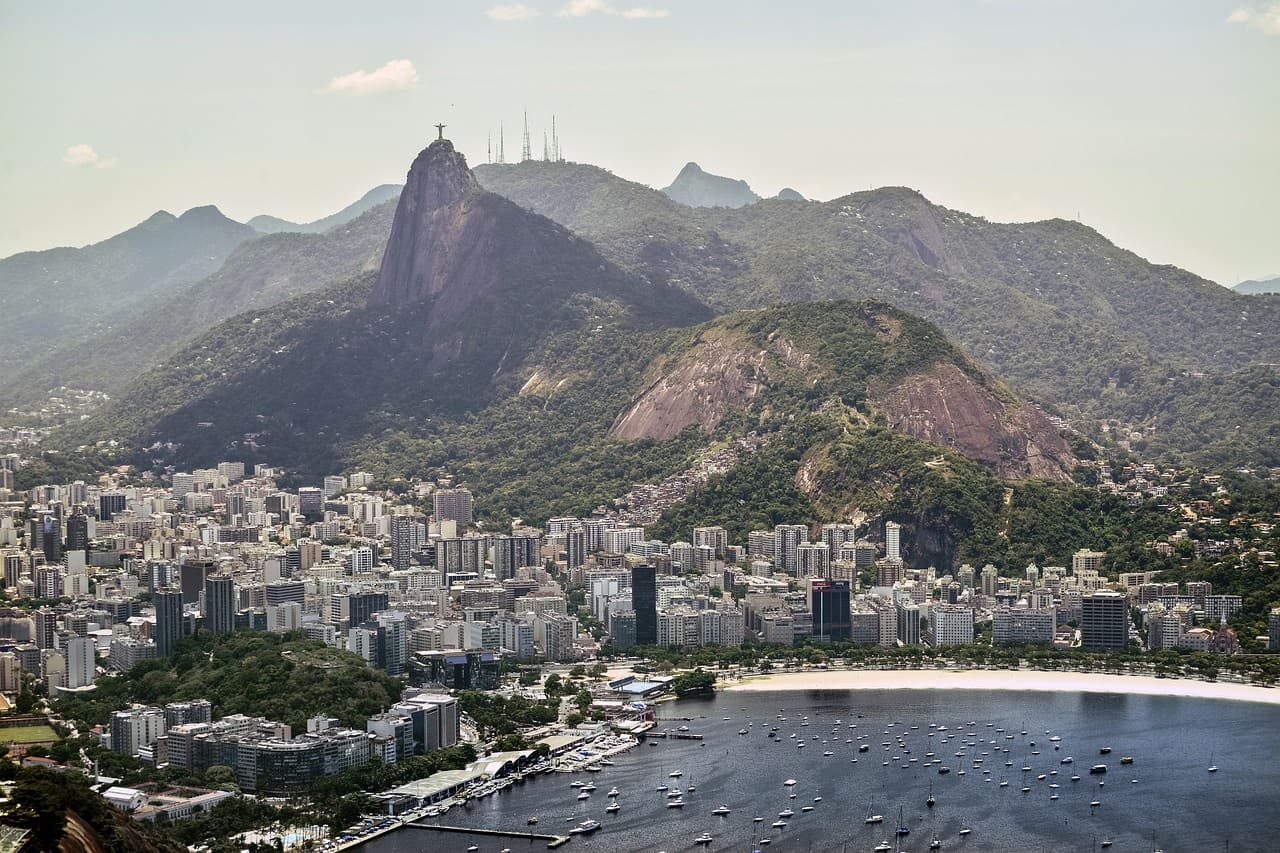
Rio de Janeiro offers long urban beaches at Copacabana and Ipanema, alongside museums, food and the scenery around Guanabara Bay. Sugarloaf rises to 396 metres, giving the coastal city a distinctive backdrop. The wave-pattern promenade is part of the beach experience even when you choose not to enter the water. A neighbourhood base can make repeated short coastal visits more practical than one distant excursion.
The trade-off is that the city's scale, local access conditions and personal security need real planning. Choose transport to named sights and avoid carrying an entire day's valuables onto the sand. A four- or five-day visit can alternate a coast session with cultural time, rather than putting every major viewpoint into the same day. Beach conditions vary by location and day, so follow local guidance and avoid interpreting a crowded shore as proof that swimming is appropriate.
Australian coasts with transport built into the plan
5. Sydney: beach neighbourhoods beyond the central harbour
Sydney combines a major harbour city with ocean beaches such as Bondi, Coogee and Manly. The Bondi–Coogee coastal route is approx. 6 kilometres. That walk is an outing in its own right, not a short connector to insert between two central museum appointments. Manly adds a ferry journey and a different relationship with the harbour.
Stay centrally if the Opera House, museums and transport connections matter most, or choose a beach neighbourhood if repeated coastal time is the main purpose. The trade-off is movement between those priorities. Four or five days allow one eastern-beach outing and another harbour session without rushing. Swim between the red-and-yellow flags at patrolled beaches and follow lifeguard advice; attractive photographs of surf do not establish conditions suitable for your ability.
6. Perth: a city break with an Indian Ocean edge
Perth offers a west-coast Australian alternative, with Cottesloe and Scarborough as named beach districts and the central city set inland beside the Swan River. That geography is important: a riverfront hotel does not automatically provide a walk to an ocean beach. Kings Park adds an elevated city-and-river perspective, creating a visit with more variety than a sequence of coastal stops.
The trade-off is the need to choose whether the base serves the centre or the coast. An illustrative four-day stay could include a city-and-Kings-Park day, a separate beach afternoon and a planned outing towards Fremantle. Do not assume all these places are one compact walking district. A west-facing coast offers sunset possibilities, but weather and safe access still determine the experience. Perth belongs here for the mix of urban river life and reachable ocean neighbourhoods.
North American city-and-coast combinations
7. Miami: distinguish the mainland from Miami Beach
Miami offers urban districts such as Little Havana and Wynwood, while the famous South Beach setting lies in Miami Beach, a separate municipality. The Art Deco district gives the beach side a substantial architectural interest beyond swimming. Decide which part of the metropolitan area the trip is meant to emphasise before comparing hotels simply by a Miami label.
The trade-off is travel across bridges and between dispersed districts. A mainland cultural day and a Miami Beach day make a more readable itinerary than repeatedly crossing for individual stops. The city's Ocean Rescue guidance explains beach flags and changing conditions. Follow those signals and local notices, including closures; warm weather does not guarantee calm water or remove rip-current risk. Choose the trip for architecture, food and coast together rather than an uninterrupted swimming promise.
8. Honolulu: Waikīkī within a wider city visit
Honolulu includes Waikīkī's accommodation and beach setting, but the city also offers the Bishop Museum, ʻIolani Palace and neighbourhood food. ʻIolani Palace was completed in 1882, giving an important historical counterpoint to a resort-focused image of Hawaiʻi. A five-night stay can leave room for these different interests without making every day an excursion to another part of Oʻahu.
The trade-off is that a popular beachfront base is not the same as a secluded island retreat. Pearl Harbor sites and other island outings need their own reservations and transport time. Respect Hawaiian cultural sites and local access guidance, and treat unfamiliar ocean conditions seriously. A plate lunch or a chosen local restaurant can add to the city experience, but avoid reducing the island's culture to a list of foods and beach photographs.
9. San Diego: choose a coastal district, then explore the city
San Diego has several distinct coastal settings, including Mission Beach, Pacific Beach and La Jolla. Balboa Park and the zoo provide substantial city activities, with the zoo's origins dating to 1916. These places are spread out, so the best base depends on whether you want frequent beach walks or easier access to cultural attractions.
The trade-off is transport rather than a lack of things to do. An illustrative four-day stay can give Balboa Park one day, the coast another and a chosen neighbourhood a separate session. Pacific water may feel cool even in pleasant weather, and wildlife areas should be approached with respect for local restrictions. San Diego suits travellers who want a varied coastal city break, not those assuming every hotel will place both the zoo and the beach within a short walk.
A dramatic coast where swimming is only one option
10. Cape Town: ocean scenery with a cold-water reality
Cape Town offers Camps Bay and Clifton alongside the Sea Point promenade and a major urban cultural visit. Table Mountain reaches 1,086 metres at its highest point, providing an extraordinary coastal backdrop. The Atlantic side's cold water is a real trade-off, not a detail to hide behind a beautiful beach photograph. Choose the coast for walking, views and appropriate beach time rather than promising warm-water swimming.
Muizenberg, on the False Bay side of the wider city, offers another coastal setting and surfing culture, with its own local conditions. Give beach districts, the mountain and central museums separate sessions; they are not one continuous itinerary. A five- or six-day visit provides room for weather changes. Cape Town belongs in a beach-city selection because the shore is a substantial part of urban life, while its water temperature and spread-out geography remain essential to choosing the right trip.
Make the beach a realistic part of the itinerary
The best-time planner can compare seasons, but day-to-day ocean conditions belong to local lifeguards and authorities. The packing tool helps organise clothing for both city walking and coastal weather. A beach-city holiday needs footwear and layers suited to the urban side as well as whatever swimwear you intend to use; a promenade afternoon can be worthwhile even when entering the water is not.
For selection, the destination finder helps distinguish a culture-led break with one beach session from a coast-led stay with one museum. The city-break planning guide explains how to space the sessions. If scenery is the main attraction, the global beauty guide considers the whole landscape rather than access to a beach. Those are different reasons to choose the same city.
Frequently asked questions
Which cities make beach time easiest to combine with sightseeing?
Barcelona and San Sebastián offer relatively close relationships between central neighbourhoods and prominent urban beaches. Valencia also combines the two, though accommodation and transport choices still matter. Sydney, Perth and San Diego have excellent coastal districts, but their main city sights and beaches should not all be treated as adjacent.
Is Miami Beach part of the city of Miami?
Miami Beach is a separate municipality within the wider metropolitan area. It contains the best-known South Beach setting, while mainland Miami has other cultural and dining districts. The distinction matters for hotel location and travel time, even when both are presented together as one holiday destination.
Are these beaches suitable for swimming throughout the year?
Suitability varies with water temperature, currents, weather, water quality and local restrictions. Cape Town and San Diego can have cool water, while warm destinations can still have unsafe surf or closures. Use current local notices and lifeguard instructions rather than a city's climate reputation as the basis for entering the water.
Links & Resources
Official tourism and planning sources
- Barcelona tourism: Visitor information for Barcelona
- Visit Valencia: Visitor information for Valencia
- Visit Brasil: Brazil's official tourism portal, including Rio de Janeiro
- Destination NSW: Sydney: Visitor information for Sydney
- Destination Perth: Visitor information for Perth
- Greater Miami visitor information: Visitor information for Miami
- Hawaiʻi Tourism Authority: Oʻahu: Visitor information for Honolulu
- San Diego tourism: Visitor information for San Diego
- Cape Town tourism: Visitor information for Cape Town