Amsterdam Travel Guide: Sights, Neighbourhoods & Tips for 2026
Amsterdam is compact enough to tempt you into doing too much. The canals, major museums and popular neighbourhoods are close on a map, but queues, bridge crossings and time spent looking at art still fill a day. This Amsterdam travel guide helps you choose a base, reserve the right visits and enjoy the streets without turning a short break into a race.
The canal ring reflects a major period of urban expansion and trade, while museums explain both the art and the more difficult parts of that history. Three or four days allow a useful first visit, with time for a market, a quieter walk and a different neighbourhood. Cycling is optional: you do not need to join busy bike traffic to experience the city properly.
The canal ring, Museumplein and De Pijp give Amsterdam three useful anchors: architecture, art and food. I amsterdam — city guide adds neighbourhood walks and events beyond the streets nearest Centraal. Begin with a museum priority and a canal route, then let the remaining day reveal a different district rather than another queue for a familiar photograph.
Where to stay in Amsterdam: convenience beyond the station
Jordaan offers smaller streets, canals and an appealing walking base, though popular addresses can be expensive. Oud-West provides another useful mix of restaurants and connections. De Pijp suits visitors interested in markets and eating, while the area around Museumplein can work for an art-heavy trip. The best choice depends on where you will spend your mornings and evenings, not just how close the hotel is to a canal photograph.
Centraal simplifies arrival and onward rail, but its busiest surrounding streets are not the only useful base. Older canal houses often have steep stairs and compact rooms, which makes the actual room access more important than a picturesque façade. Ask for the route to the room if mobility or large bags matter. A quieter street in Jordaan or Oud-West can provide an easier evening return while still keeping the main cultural areas within a practical tram-and-walking plan.
Accommodation outside the central canal ring can work with a simple tram or metro connection. Put that daily journey and its fare beside the room quote before deciding it is cheaper. The final booking total should include the relevant taxes and compulsory charges. Choose legally operating accommodation, then compare how much of the visit is spent travelling home against the extra room space or lower price offered by a more distant base.
Jordaan favours canal walks, De Pijp market and restaurant time, and Museumplein the major art collections. Compare those locations in the city-cost comparison tool alongside actual room quotes. With the packing planner, keep luggage manageable for canal-house stairs and bring a layer for wind on an open boat; beach-style summer packing alone does not suit every Dutch city day.
Amsterdam canals: walk the ring and understand what you are seeing
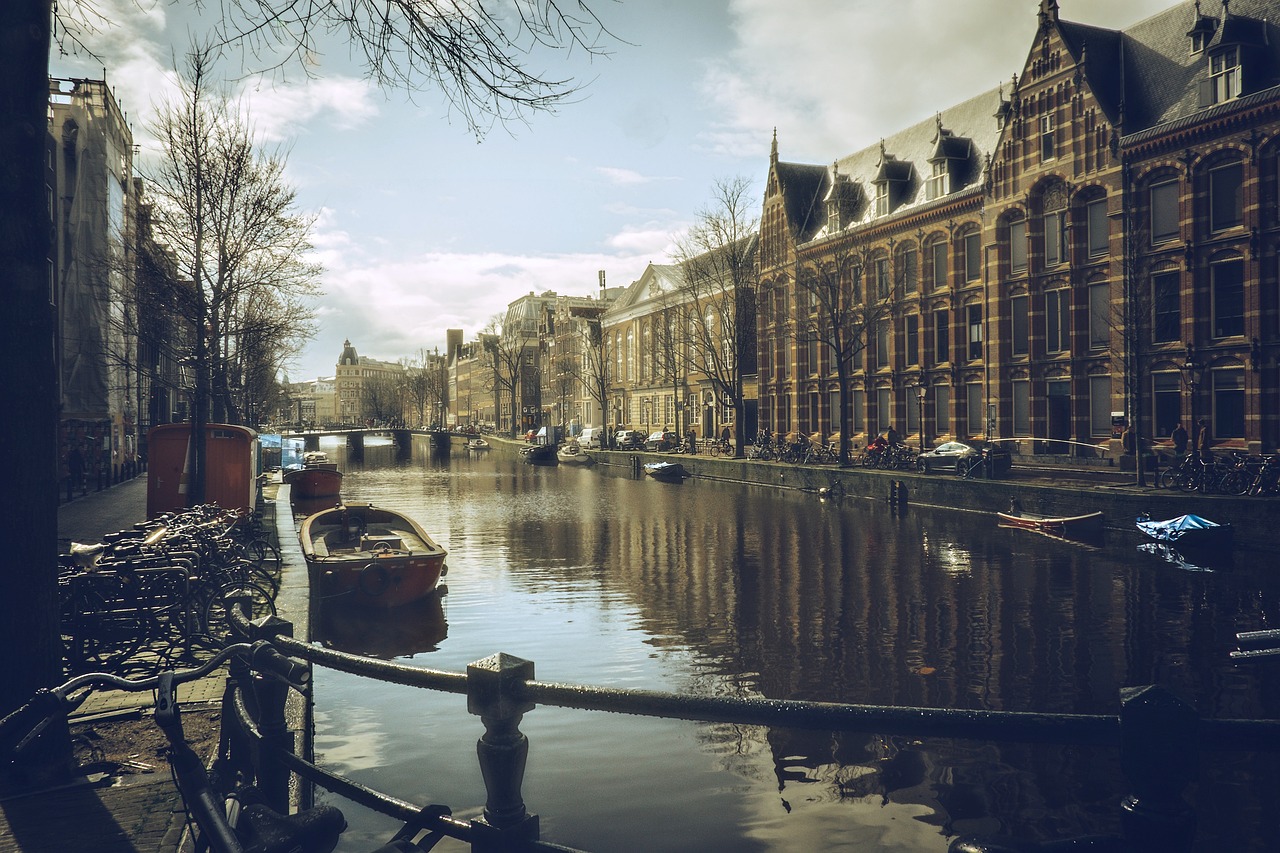
The UNESCO-listed seventeenth-century canal ring is more interesting when you look beyond the water. Notice the narrow façades, bridge positions and changes between main canals and smaller streets. The visible wealth was connected with trade and colonial power as well as domestic urban planning; museum interpretation helps provide that context. Do not describe the whole city as a preserved fantasy detached from how its buildings were financed and used.
A canal cruise can be a useful introduction or a rest for tired feet, but compare the route, vessel and commentary rather than buying only on price. Larger covered boats and smaller open boats offer different experiences, particularly in rain or cold. A cruise does not replace walking: the streets, shops and small connections reveal details that are less visible from the water. Choose one water experience if it genuinely adds something to your day.
For a quieter walk, move beyond the busiest stretch near the station and let the route include a few smaller bridges and residential streets. Keep voices low and avoid blocking doorways for photographs. Houseboats are homes, not public exhibits. Vondelpark gives the day an outdoor break of a different kind, while a ferry towards the northern side can introduce another urban setting. Check the actual route and return connection instead of assuming every boat serves the same destination.
Amsterdam museums: Rijksmuseum, Van Gogh and Anne Frank House
The Rijksmuseum's present building opened in 1885, while the Van Gogh Museum opened in 1973. Their collections offer different organising ideas: a broad view of Dutch art and history at the former, an artist-centred visit at the latter. Choose the institution that fits your interest and reserve the necessary admission slot through its ticket page. Committed art travellers may enjoy both, but a general first trip benefits from separating them with neighbourhood and outdoor time.
The Anne Frank House requires planning through its official ticket system. Check release arrangements and availability directly rather than assuming you can simply queue on arrival or use a general city pass. Its historical significance calls for attention and respectful behaviour, not a hurried stop before shopping. The old building's access limitations matter, so consult the museum's accessibility information if stairs or confined spaces may affect your visit.
The Stedelijk Museum and Rembrandt House provide alternatives or additions for particular interests. Choose the museum that matches what you want to understand instead of buying every name in a bundle. City cards have different inclusions and exclusions, and a timed reservation may still be required. Check the current terms against your planned attractions.
Getting around Amsterdam: trams, rail and a cautious approach to cycling
Walking and trams are sufficient for many first visits. Consult GVB for current products, payment rules and disruptions, then compare with the actual trips you plan. The city transport network and national rail are different systems. A product covering urban travel does not automatically include a train journey from Schiphol or an onward trip elsewhere in the Netherlands. Read the coverage rather than relying on a card's broad marketing description.
Schiphol's rail journey and the city's GVB network are different parts of the arrival calculation. After reaching the relevant station, your hotel may require a tram or final walk. With contactless payment, keep the same card or device for the required boarding and exit process; a physical card and its phone-wallet version can be treated separately. Confirm the operators' current fare coverage once, rather than assuming a city transport product includes every airport or onward rail journey.
Amsterdam's cycle lanes carry everyday moving traffic. Stay out of them while reading a map, and do not stop a rental bike in a lane for a photograph. Confident riders can choose a suitable route with working lights and a secure lock; everyone else can explore efficiently on foot and by tram. For families, traffic confidence and the route matter more than the association between the city and cycling. Renting is optional, not a test of whether you experienced Amsterdam properly.
GVB — city transport distinguishes urban trams, metro and ferries from national rail. Centraal is a useful arrival point, but a Museumplein hotel and a De Pijp room need different onward connections. Save bicycle sightseeing for a route suited to your confidence; the tram-and-walking combination already joins the main cultural districts without cycling in busy lanes.
Amsterdam food: markets, Indonesian meals and neighbourhood cafés
Dutch snacks such as bitterballen or a freshly made stroopwafel can be enjoyable, but they are not the whole food scene. Indonesian cooking provides another important strand, including restaurant meals whose presentation and portions vary. Read the menu before ordering a large shared spread and consider whether the format suits your party. The history behind the cuisine deserves context rather than being presented simply as an unusual local novelty.
Albert Cuyp Market makes a useful De Pijp outing for food browsing and a few purchases. Try a freshly made stroopwafel if it appeals, then leave room for a proper meal rather than filling the afternoon with sweet queues. Bitterballen offer another snack choice, while Indonesian restaurants provide a substantial different meal. Keep the passages usable for shoppers and choose a permitted place to eat instead of stopping wherever a busy stall hands over your purchase.
Our Amsterdam restaurant page can help with ideas; confirm the venue's own booking and dietary arrangements before relying on it. Explain allergies directly, especially when sharing fried snacks, sauces or sweets. Read the final bill and any listed charges rather than applying an assumption from another country. For evenings, choose a realistic area and return route. The city's nightlife is a choice, not a requirement, and residential neighbourhoods deserve quiet when people are returning late.
A three- or four-day Amsterdam itinerary with museums and neighbourhoods
| Day | Area | Priority |
|---|---|---|
| 1 | Canal ring and Jordaan | Choose a walk and an optional cruise. |
| 2 | Museumplein and nearby outdoors | Give one major museum room. |
| 3 | Reserved visit and neighbourhoods | Plan Anne Frank House access if it is a priority. |
| 4 | Optional additional day | Explore the northern side or another collection. |
On the first day, walk a manageable section of the canal ring and Jordaan, adding a canal cruise only if the weather and format appeal. Keep this an orientation day if you have just arrived. A market or café stop gives it structure without requiring several timed tickets. Learn the location of your nearest transport stop and a practical food option before committing to a late evening across the city.
Give the second day to a major museum and a nearby walk, using Museumplein and Vondelpark if that fits your chosen institution. A third day can combine the Anne Frank House, when booked, with another neighbourhood or a quieter canal route. Avoid placing an inflexible reservation immediately after a visit that may take longer than expected. Allow room for the subject matter as well as the distance between entrances.
A fourth day can bring the northern side, a second museum or a deliberately slower food outing. Rotterdam is a different urban and architectural destination for an onward visit, not a way to claim you have covered the Netherlands in a spare afternoon. If adding an excursion, compare actual trains and the time needed at the destination. In rain, move an indoor activity forward; in fine weather, keep at least one block unbooked so that an appealing street or park can become part of the trip.
If you enjoyed Amsterdam's canals and museum days, our Amsterdam–Copenhagen comparison helps compare them with Copenhagen's waterfront and cultural options. Our guide to art and museum cities is the more useful next read when the Rijksmuseum or Van Gogh collection is your main holiday interest. For this stay, reserve one art-heavy day and keep another for streets and neighbourhood food.
Amsterdam budget, seasons and practical visitor responsibilities
The approximate 2026 daily range above assumes a person sharing a modest private room, ordinary meals, local transport and some admissions, excluding flights, shopping and intercity trips. Accommodation is the main variable, particularly on popular weekends and event dates. Compare final room totals including relevant taxes and charges. A low headline rate outside the centre may lose its advantage once travel and the available time are considered.
Spring can be attractive, but nearby flower displays and garden openings depend on their own seasonal arrangements. They are not guaranteed simply because you visit Amsterdam in a particular month. Summer offers long days and demand; autumn and winter can bring rain, wind and shorter daylight. Pack a useful layer and weather protection, and choose a boat format suitable for the forecast. An outdoor itinerary needs alternatives even when the trip was booked for a promising season.
Check current entry requirements and government advice, keep valuables secure in crowds and follow local rules. Respect residential areas, avoid photographing people or homes intrusively and treat bike lanes with attention. If comparing Amsterdam with Copenhagen, think about museums, accommodation costs and the way you like to move around rather than labelling both as the same type of city. Amsterdam has its own Dutch history and geography, and a useful visit leaves space to notice them.
Amsterdam's canal walks, compact cultural districts and tram-based sightseeing offer several directions for destinations similar to Amsterdam. Use the destination finder to prioritise museums or a quieter neighbourhood pace elsewhere. For the Netherlands, the visa planning tool organises entry-planning questions; the currency converter helps compare euro room totals with the separate cost of museum tickets and an optional canal cruise.
Frequently asked questions
How many days should you spend in Amsterdam?
Three or four days give room for the canal ring, a major museum, another reserved visit and neighbourhood time. Art-focused travellers may want longer. An excursion or onward visit to Rotterdam should be allocated proper transport and visiting time rather than fitted around every central attraction.
Do you need to book the Anne Frank House ahead?
Anne Frank House admission is organised through the museum's own ticket system, with availability and release arrangements described there. A general city card is not a substitute for that reservation. The historical house has steep access and important mobility limitations, so use its accessibility information when those affect your party. Give the visit time as a historical experience instead of placing an inflexible shopping appointment immediately afterwards.
Should a first-time visitor rent a bike in Amsterdam?
Only if they are comfortable riding in active city traffic and understand the lanes and rules. Walking and trams are sufficient for many first visits. A calmer cycling route can be considered separately; renting a bike is not a requirement for experiencing the city properly.
Links & Resources
Official sights, culture and planning
- Rijksmuseum: Collections, exhibitions and official admission.
- Van Gogh Museum: Timed tickets and collection information.
- Anne Frank House: Official ticket releases and museum access information.
- Stedelijk Museum: Modern art, design and visitor information.
- Rembrandt House Museum: Artist's house, exhibitions and tickets.
- NS — Dutch Railways: Airport rail travel and onward train journeys.
- UNESCO — Amsterdam's canal ring: History and scope of the protected canal area.
- UK government — Netherlands travel advice: Entry, health and current safety guidance.
On GuesTheCity
- Explore the city map: Locate the canal ring, Museumplein and your neighbourhood base.
- Play Guess the City: Recognise Amsterdam’s canal-side cityscape before your first walk.