Amsterdam vs Copenhagen: Which Canal City Fits Your Trip?
Choosing Amsterdam or Copenhagen is a decision between different cultural programmes, not two versions of one Nordic city. Amsterdam is Dutch; Copenhagen is Danish and Nordic. Their waterways and cycling networks create useful similarities, but Amsterdam's major art collections and canal districts differ from Copenhagen's design museums, harbour areas and Danish food traditions.
This Amsterdam vs Copenhagen guide compares a three- or four-day break through the places you will visit, the base you will use and the bill you will pay. Both support walking and public transport without requiring a visitor to cycle in busy traffic. The stronger choice depends on whether the Rijksmuseum, a design collection, canal architecture or a harbour-led neighbourhood day most deserves your time.
Amsterdam and Copenhagen at a glance: art, design and budget
| Decision | Amsterdam | Copenhagen |
|---|---|---|
| Shared-room daily model, approximate 2026 | €140–250 | DKK1,200–2,000 |
| Primary cultural draw | Rijksmuseum, Van Gogh and canal history | Danish design, Glyptotek collections and harbour districts |
| Getting between areas | Trams and walks; cycling optional | Metro and walks; cycling chosen for confidence |
| Meal options | Dutch snacks, Indonesian cooking and De Pijp outings | Smørrebrød, bakeries and a selective special dinner |
| Useful outdoor timing | Spring or early autumn, with wind and rain alternatives | Warmer months for longer harbour evenings; colder-season interiors |
| First-visit length | Three or four full days | Three or four full days |
The amounts are approximate 2026 daily allowances for one person sharing a modest private room, with ordinary meals, urban travel and some admissions. International transport, shopping and luxury restaurants are outside them. Amsterdam's euros and Copenhagen's Danish kroner require conversion before a numerical comparison. Hotel dates and meal choices can narrow or widen the gap, so neither a high-end Danish tasting menu nor a cheap Dutch snack represents an entire stay.
Art museums, Danish design and the history behind the water
Amsterdam's Rijksmuseum building opened in 1885, while the Van Gogh Museum opened in 1973. They offer distinct programmes: a broad Dutch art-and-history collection versus an artist-centred visit. Choose a principal museum morning, then use the nearby park or neighbourhood as an outdoor continuation. The Anne Frank House adds another kind of historical experience, with a separate reservation system and access limitations that should be understood before it joins the itinerary.
Copenhagen's Designmuseum Danmark gives furniture, objects and design interpretation a central role. The Ny Carlsberg Glyptotek offers sculpture and painting in a different setting, including its winter garden. Neither requires describing the whole city as an aesthetic showroom: a collection is valuable for what it explains, not only for a pleasing interior photograph. Choose one cultural anchor and let a harbour or neighbourhood walk supply the rest of the day.
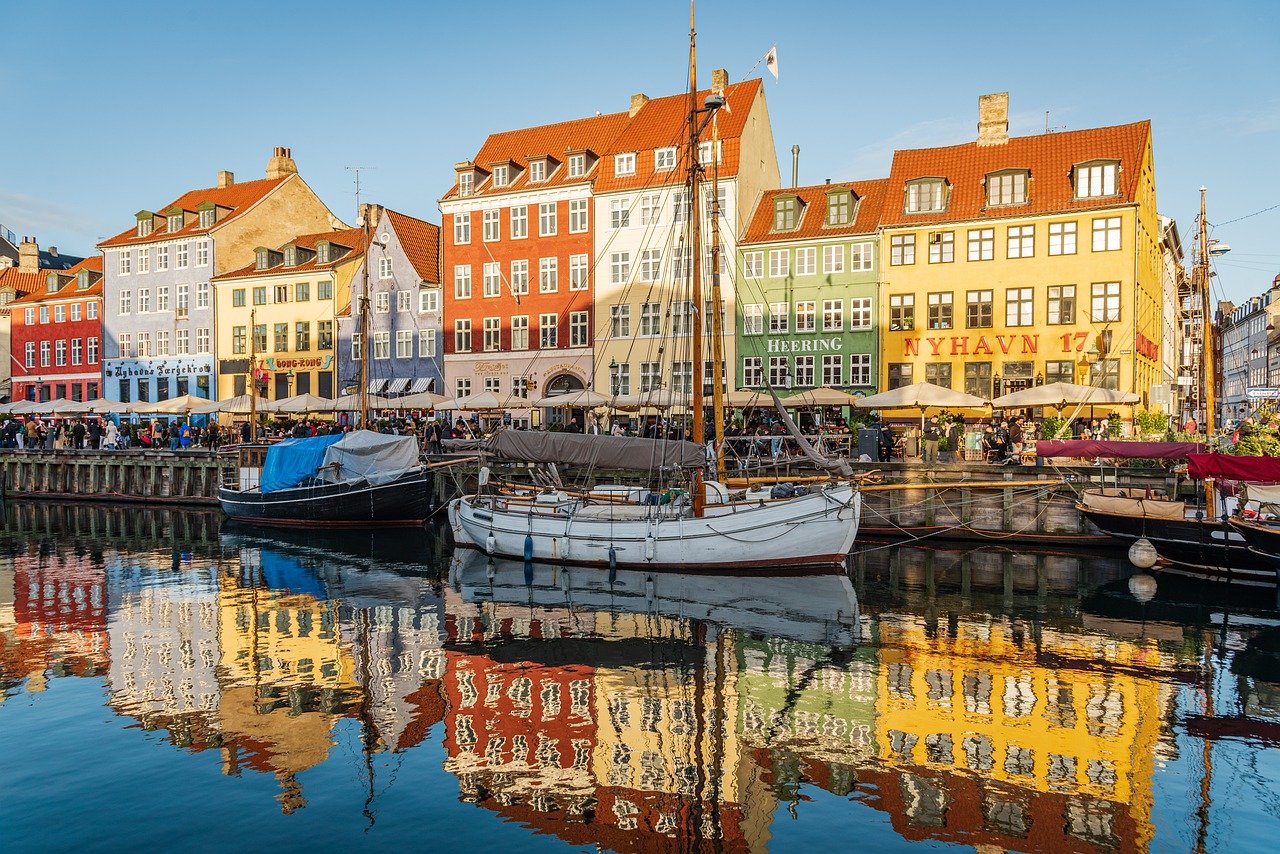
Amsterdam's seventeenth-century canal ring received UNESCO inscription in 2010. Its narrow façades and water routes reflect urban planning, trade and colonial history, which museum interpretation can help explain. Copenhagen's Nyhavn and wider harbour provide a different waterfront picture rather than the same canal system with fewer visitors. I amsterdam develops Amsterdam neighbourhood programmes; Visit Copenhagen connects Copenhagen's museums and districts. Reserve the specific cultural visits through their venues without assuming one city's sightseeing product covers the other's equivalent experience.
Food: Dutch snacks, Indonesian cooking and Danish meals
Amsterdam's stroopwafels and bitterballen are enjoyable snacks, but food deserves a broader role than a queue for each fashionable sweet. Indonesian restaurants provide a substantial different meal, with formats and portion sizes to understand before ordering. De Pijp can join market browsing with a lunch or dinner that suits the day. Amsterdam dining options helps you discover businesses around that route, while a direct dietary discussion is still necessary for a particular meal.
Copenhagen offers smørrebrød, often built around rye bread with carefully chosen toppings, alongside bakeries and a wide contemporary restaurant scene. New Nordic cooking is one interest-led experience, not a requirement to pay for a celebrated tasting menu. Torvehallerne can support a browsing-and-eating stop, while Vesterbro or Nørrebro give the evening another neighbourhood direction. Pick the dish and restaurant format you want rather than defining Danish food entirely through prestigious names.
For value, compare ordinary breakfasts, lunches and dinners separately from a special reservation. A bakery stop and one planned meal can be a more satisfying Copenhagen day than treating every sitting as a splurge. Amsterdam's central visitor streets likewise contain meals that cost more than their setting justifies. Explain allergies directly, including shared preparation. A menu's familiar ingredients do not automatically establish that a fried snack, sauce or carefully topped sandwich suits every diet.
Where to stay: canal districts or a harbour-and-neighbourhood base
Jordaan favours Amsterdam canal walks, Oud-West gives another useful evening base and De Pijp supports market and restaurant time. Around Centraal, arrival convenience comes with busy streets in some locations. Canal-house accommodation can involve steep stairs or small rooms, so ask about the actual access if it matters. A picturesque façade is not a guarantee of a straightforward luggage journey or an accessible room.
In Copenhagen, an Inner City base supports several first-visit walks and museums, while Vesterbro gives a different food and evening pattern near useful rail connections. Nørrebro can favour neighbourhood exploring, with the actual metro approach still part of the calculation. A waterfront room is a premium choice rather than a basic requirement. Look at the final walk from transport, evening noise and the area you intend to use before selecting a property through its view.
Our Amsterdam travel guide expands the Dutch city's visiting districts, while our walking-city guide helps decide how much pedestrian exploring you want from either stay. A three-night break leaves little room to recover from repeated journeys caused by a distant base. Put room totals and local travel beside the cultural priorities, then choose the location that reduces ordinary friction instead of one advertised as convenient to every attraction in a large surrounding area.
Cycling, walking and urban transport without a compulsory bike hire
Amsterdam's cycle lanes carry regular traffic. Visitors should not stand in them to read maps or stop a bike in moving traffic for photographs. Experienced riders can select a route that suits their confidence, but trams and walking are enough for many first visits. GVB city transport and NS national rail have different coverage, so the airport journey and daily urban rides belong in separate parts of the fare calculation.
Copenhagen also has working cycling infrastructure rather than a sightseeing track. Walking links several central interests, while metro and other public transport serve longer connections, including the airport. The harbour services provide another way to move through some waterfront areas when the route fits. Use the linked city guidance for current payment and coverage. Renting a bike earns its place through a comfortable route and riding ability, not as proof you adopted a local identity.
In either city, a short route can still have a bridge, stairs or an exposed waterfront section that affects your party. Travellers needing step-free access should establish the specific station exit and venue entrance together. Taxis can solve an awkward luggage connection, while daily central sightseeing rarely requires a rental car. A well-organised walk-and-transit day usually leaves more attention for façades, objects and neighbourhood meals than navigating unfamiliar cycle traffic while trying to look at them.
Seasons and spending: compare kroner with euros properly
Amsterdam spring and early autumn can work for canal and museum days, though flower attractions outside the city have their own seasonal schedules. Copenhagen's warmer months give longer outdoor evenings, while colder periods change the comfort of harbour time. The best-time planner helps compare the broad timing. Wind and rain matter in both destinations, so an indoor collection near the day's area is a useful alternative rather than a reason to abandon the whole itinerary.
Copenhagen's Tivoli is a separate seasonal attraction with its own opening periods and ticket products. It should be selected for the gardens, rides or atmosphere that interest you, not inserted automatically into every design-led stay. Amsterdam sightseeing cards likewise have different inclusions and exclusions, and do not replace every timed reservation. Confirm those live products once after choosing the visits. The package follows the plan, rather than the plan becoming a race to use everything in the package.
Use the trip budget estimator for rooms and ordinary meals, then the currency converter to put kroner and euros into the same home-currency totals. Add a canal outing or premium meal as a voluntary activity line. A cheaper remote room can lose its advantage in travel time, and a larger Copenhagen dining allowance can be moderated through the formats you choose. Money saved through unwanted attractions or missed meals is not automatically money well saved on a short holiday.
The verdict: museum-heavy Amsterdam or Copenhagen's design and harbour mix?
Choose Amsterdam when the Rijksmuseum, Van Gogh collection and canal streets anchor the visit. Three or four days allow a canal-oriented introduction, one major museum, a reserved historical visit and another neighbourhood. Choose Copenhagen when design, Danish meals and harbour areas lead the programme: a central cultural day, a separate waterfront route and a neighbourhood outing can give it a distinct shape without continually changing bases.
A two-day choice: one collection and one neighbourhood pattern
With only two Amsterdam days, choose the Rijksmuseum or Van Gogh Museum as the principal collection and keep the rest of that day around the museum quarter, park and nearby food. Use the other day for the canal ring and Jordaan, adding the Anne Frank House only with the appropriate reservation and enough time. One thoughtful museum choice preserves the contrast between indoor art and the streets that explain the city's architecture better than briefly entering both large collections.
For two Copenhagen days, let Designmuseum or the Glyptotek anchor one cultural block, then give the harbour and a selected neighbourhood the other. A bakery stop and smørrebrød meal can sit inside that plan without an expensive restaurant reservation at every sitting. Tivoli earns a place only if its experience interests you and its seasonal opening fits. Keeping those priorities clear gives a short Danish stay its own shape, rather than copying an Amsterdam museum-and-canal list with the names changed.
A combined stay needs proper overnight allocations and a transfer decision that accounts for airports or a longer overland connection. These are separate city breaks, not neighbouring canal districts. With a short holiday, choose one and return for the other when its main programme interests you. Spending less time moving between countries gives more time for a museum detail, market meal or waterfront area that turns out to be the highlight.
Destinations similar to Amsterdam is a useful next step if Amsterdam's canal-and-art combination appeals, while the city comparison tool places the Dutch and Danish priorities beside each other. Our architecture-city article broadens the architectural angle when buildings matter more than gallery collections. Keep the final choice specific: which three days would you prefer to spend, and which costs belong to them? Shared bikes and water do not make the two cities culturally interchangeable.
Frequently asked questions
Is Amsterdam a Nordic city like Copenhagen?
No. Amsterdam is in the Netherlands, while Copenhagen is in Denmark and belongs to the Nordic region. The cities share waterways and substantial cycling infrastructure, but have different cultural and historical settings. Compare their art, design, meals and visiting routes rather than putting both under an inaccurate regional label.
Do you need to rent a bike in Amsterdam or Copenhagen?
No bike hire is required for a rewarding first visit. Walking and public transport connect many central cultural and neighbourhood outings in both cities. Cycle when the route and your confidence make it enjoyable; active local lanes are working transport infrastructure, not spaces where visitors can stop freely for sightseeing photographs.
Which city is better for an art-focused holiday?
Amsterdam is a strong fit when the Rijksmuseum and Van Gogh Museum are primary goals, with other collections and the Anne Frank House offering different historical angles. Copenhagen adds design interpretation and museums such as the Glyptotek. Select the collection subjects you want to explore instead of assuming one city wins every kind of cultural visit.
Links & Resources
Culture, transport and visitor requirements
- Rijksmuseum: Dutch art, history and the museum-quarter anchor.
- Van Gogh Museum: Artist-centred collections and reserved admission.
- Anne Frank House: Ticket releases and the historic house visit.
- GVB Amsterdam: Trams, ferries and local metro travel.
- Designmuseum Danmark: Danish design collections and exhibition planning.
- Ny Carlsberg Glyptotek: Copenhagen sculpture, paintings and the winter garden.
- Visit Copenhagen transport guide: Metro, airport and harbour connections within the Danish city.
- Tivoli Gardens: Seasonal opening and the central amusement gardens.
- NS Dutch Railways: Schiphol and onward Netherlands train connections.
- UNESCO — Amsterdam canal ring: The seventeenth-century urban expansion behind the scenery.
On GuesTheCity
- Explore the map for Amsterdam and Copenhagen: locate the districts and connections behind this comparison.