Vienna vs Prague vs Budapest: Choose Your Central Europe Trip
Vienna, Prague and Budapest offer three different ways to spend a Central European break: palace and music days, castle-side streets and art, or thermal baths with Danube neighbourhood walks. They connect naturally in many travel plans, but their geography needs one correction at the start. Vienna and Budapest stand on the Danube; Prague's historic centre is on the Vltava.
This Vienna vs Prague vs Budapest comparison helps you choose one capital or give a rail route enough time. It considers museum days, meals, local transport and the cost of the experiences you want, rather than declaring one universally refined, one beautiful and one cheap. Each supports a culturally substantial visit, and each becomes less enjoyable when three full itineraries are squeezed into one long weekend.
Vienna, Prague and Budapest side by side
| Decision | Vienna | Prague | Budapest |
|---|---|---|---|
| Daily estimate, approximate 2026 | €110–200 | CZK2,200–4,000 | HUF30,000–55,000 |
| Distinctive interest | Palaces, art and classical performances | Castle-side walks, Czech history and museums | Thermal baths, Danube architecture and neighbourhood evenings |
| Urban connections | U-Bahn, trams and local walks | Metro, trams and a castle-side approach | Metro, trams and Buda–Pest crossings |
| Meal ideas | Schnitzel, coffee-house pauses and pastries | Svíčková, roast dishes and neighbourhood cafés | Gulyás, cafés and a meal beyond the ruin bars |
| Season for a balanced route | Spring or autumn for mixed palace-and-garden days | Spring or autumn for cobbled historical walks | Spring or autumn for river and bath combinations |
| Time for one introduction | Three full days, more for collections | Three full days, more for other districts | Three full days, more for baths and museums |
The daily figures are approximate 2026 planning allowances for a person sharing modest private accommodation, with ordinary food, local transport and selected visits. Flights, trains between capitals and premium events sit outside them. Convert euros, koruna and forints at one planning rate before comparing. Vienna may need a larger accommodation allowance, but a bath-heavy Budapest stay or an expensive Prague event weekend can alter an oversimplified ranking.
Palaces, castle streets and baths: the main reasons to come
Vienna is a strong fit for an itinerary joining Schönbrunn, an art collection and a performance you genuinely want to hear. Its imperial institutions and nineteenth-century Ringstrasse support architectural walks, but the city is more than an orderly palace setting. Select one substantial interior for a day, then add a garden, café or neighbourhood. An evening concert should be chosen through its programme and performers, rather than bought because a seller promises a generic classical experience.
Prague concentrates familiar views around Old Town, Charles Bridge and the castle side. Bridge construction began in 1357, while the Astronomical Clock traces its origins to 1410. The castle is a complex with several buildings and different admission circuits, rather than one quick viewpoint. An early bridge crossing, meaningful museum visit and a walk through Malá Strana form a deeper programme than collecting the most photographed façade and immediately moving to the next capital.
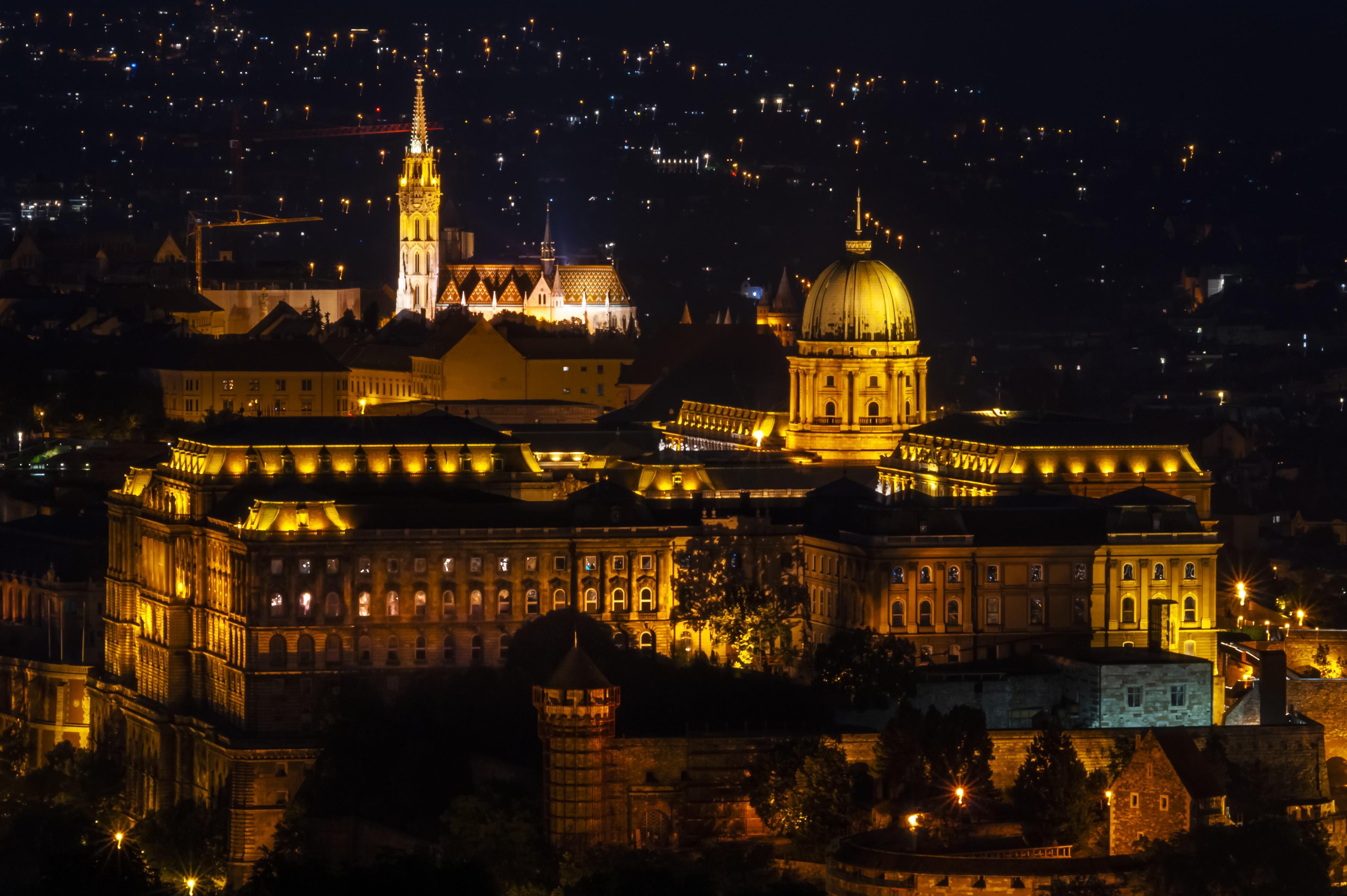
Budapest adds a different river scale and the possibility of a thermal-bath visit as a main activity. The modern city united Buda, Pest and Óbuda in 1873; Széchenyi Bath was built in 1913. Buda's hills and Pest's neighbourhoods offer different walking patterns. Allow the bath its own time and follow the facility's current visitor rules, rather than inserting it as a hurried photo stop between an architectural walk and a late-night bar reservation.
Vienna city guide gives Vienna's cultural programmes, Prague City Tourism supports Prague neighbourhood routes and Budapest tourism information introduces Budapest visiting options. These city sources make the comparison practical: the capital whose current programme matches your interest may matter more than a broad reputation. Museum exhibitions, palace tickets and bath access should be confirmed through the specific venues once you have selected the visits, rather than researched repeatedly for attractions you do not intend to enter.
Food, coffee houses and evening atmosphere
Vienna can make a café pause part of the day rather than a quick refuelling stop. Coffee-house settings, Wiener Schnitzel and pastries such as Sachertorte provide familiar starting points, with contemporary and international restaurants adding other choices. Vienna restaurant ideas helps identify a meal near your cultural route. A famous cake address is optional: the experience can be a seated conversation and an ordinary pastry, not necessarily the longest queue for a name recognised from a guide.
Prague offers Czech meals such as svíčková and roast meat with dumplings, alongside neighbourhood cafés and a wider restaurant scene. Beer culture is part of the setting, not a requirement to drink or a competition about consumption. Vinohrady gives a different evening atmosphere from the busiest Old Town lanes. Choose the actual menu and place you want, because a business outside the main square is not automatically better simply through being less visible to visitors.
In Budapest, gulyás is a soup, while other dishes and cafés support a food programme beyond ruin bars. District VII can suit a lively evening, but accommodation over a nightlife street needs a noise calculation. A bath day followed by a modest dinner offers a different use of time from another late outing. Across the three capitals, shared dishes, drinks and premium venues can change a bill more than a city's general reputation for low food prices.
Where to stay: cultural districts and river sides
Vienna's central districts favour palace, gallery and performance journeys, while a well-connected base farther out can provide a different room-price balance. Use the actual U-Bahn or tram route to evaluate it. A central landmark-view premium and a useful ordinary room are separate choices. For a short visit, the return from dinner or a performance is a daily practical detail, whereas proximity to a palace you visit once may matter only that morning.
In Prague, Malá Strana favours castle-side starts but brings slopes; Nové Město provides another central route, and Vinohrady allows a more residential evening. The Prague travel guide expands those choices. In Budapest, a Pest base supports many restaurant and transport patterns, while a Buda stay creates a different hill-and-river perspective. Decide which side and neighbourhood you will actually use rather than treating an attractive river photograph as sufficient information about a hotel entrance.
Historic accommodation can involve steps, limited lifts and compact rooms in any of the capitals. Ask for the actual access route when it affects your party, and put final taxes and compulsory charges into the comparison. For a three-city trip, choose a straightforward base at each stop instead of changing hotels to follow different attractions. Clear arrival and luggage arrangements preserve time that you intended to spend in cafés, museums or neighbourhoods.
Local transport and a sensible three-city rail route
Vienna's U-Bahn and trams, Prague's integrated metro and surface network, and Budapest's metro and trams all support visits without a central rental car. Fare products and activation work differently, so the linked operators should determine the ticket rules for each stop. Airport services can have separate coverage. Use public transport for a meaningful gap, then walk within the main visiting area rather than crossing repeatedly between opposite ends of the itinerary.
Prague's castle-side day often benefits from a suitable uphill tram approach followed by walking towards Malá Strana and the river. Budapest's split between Buda and Pest makes the particular crossing and final hill relevant. Vienna's palace trip and central museum walk are distinct journey blocks. Accessibility depends on the vehicle, station exit and attraction entrance together, rather than a general claim that one capital has good public transport.
For intercity journeys, use the ÖBB and Czech Railways resources to compare the actual stations, departures and reservations for your dates. A geographically coherent route connects Prague, Vienna and Budapest in order or reverse, avoiding a return to the starting city when flight arrangements allow. Reserve a meaningful transfer block for bags, boarding and the hotel at the far end. It is better to arrive for a neighbourhood walk than race straight into a prepaid major interior.
Budget and season across three different currencies
The currency converter matters here because a connected European rail route still involves three currencies. Use euros in Austria, koruna in Czechia and forints in Hungary as the basis of the local spending lines. A familiar-currency conversion offered by a terminal can have different costs from your own provider's conversion. Read the offered rate and fee before accepting, and keep a practical backup payment method without carrying more cash than the journey requires.
Build hotel quotes first in the trip budget estimator, then add the palace, gallery, bath or performance choices you genuinely want. A Prague walking-heavy visit can use fewer paid interiors; Vienna's free outdoor time can balance its cultural tickets; Budapest's bath and premium evenings can enlarge an otherwise modest daily total. No city becomes good value merely by having the lowest room headline if you then spend each day travelling from an awkward base.
Spring and autumn often suit mixed cultural and river walking, while summer heat affects the exposed parts and winter shortens the outdoor day. The best-time planner helps compare that balance. Markets, performances and seasonal programmes have their own dates rather than one permanent three-capital calendar. Bring layers for evening and footwear that suits cobbles or hills, and keep one nearby interior or café available when conditions change the intended walking block.
The verdict: one focused break or a route with proper stays
Choose Vienna when palace interiors, art collections and a considered performance lead the holiday. Choose Prague for a compact historical-centre introduction with a castle-side day and another cultural or neighbourhood block. Choose Budapest for river architecture, baths and a different evening food pattern. Three full days introduce one capital; a fourth gives the principal interests more room instead of making every additional day a reason for another distant excursion.
What two full days can realistically show in each capital
In a two-day Vienna stay, choose one palace or major art collection and give the second day to a central architectural walk with café time. A performance can add an evening when its programme is part of your interest. That leaves room to see the city between interiors, rather than using every available hour to justify several museum tickets.
For two Prague days, combine Old Town and a chosen historical visit on one, then make the castle side and Malá Strana the other main block. A riverbank pause gives space between interiors and the bridge crossing. Vinohrady can become a dinner direction if it fits, but an extra distant museum needs a substitution rather than another rushed promise.
Two Budapest days can separate a Buda-and-river walk from a bath or Pest cultural block. Bathing is a real activity with changing and resting time, so it competes with a museum afternoon rather than filling a fifteen-minute gap. The city is the strongest choice of the three when that slower water-based experience is itself a reason for the holiday.
For all three, about nine or ten days gives three useful stays and space for two transfers, with the exact balance depending on arrival and departure timing. Six days is possible only with selective priorities and a significant share of the trip devoted to moving. Our European rail guide provides the broader train-planning method, while our budget-travel methods adds spending techniques without replacing the city comparison with a universal cheap-destination ranking.
The city comparison tool lets you weight baths, art, historical walks, evening culture and room cost rather than invent a single overall champion. The capital-city game can also sharpen your recognition of the capitals before a route, but geography matters more than collecting names: Prague belongs on the Vltava, not the Danube. Build the journey around the days you want in each place, and a connected route becomes more than three accommodation check-ins.
Frequently asked questions
Which is best for a three-day visit: Vienna, Prague or Budapest?
Vienna suits a palace, art and music programme; Prague favours historical-centre and castle-side days; Budapest adds thermal baths and Danube neighbourhood walks. Three days can introduce any one of them when the priorities are selective. Trying to fit all three into that period leaves most of the holiday devoted to arrivals and transfers.
Are all three cities on the Danube?
No. Vienna and Budapest are on the Danube, while Prague's historic-centre river is the Vltava. Rail links can connect the capitals in a coherent Central European itinerary, but that does not place them on one river. The difference matters when you picture the geography or look for a river-based route.
How much time should you allow for a three-capital itinerary?
Around nine or ten days gives meaningful stays and room for the two intercity transfers, depending on flight timings and priorities. A shorter route needs fewer visits in each place. Count train boarding, luggage and hotel arrival inside the travel blocks, rather than treating the published ride as the whole interruption to sightseeing.
Links & Resources
Culture, transport and visitor requirements
- Schönbrunn Palace: Vienna palace visits and grounds information.
- Wiener Linien: Vienna city network and current ticket products.
- Prague Castle: Building circuits and visiting restrictions.
- Prague Integrated Transport: Czech capital ticket activation and connected travel.
- BKK Budapest: Trams, metro and airport fare coverage.
- Széchenyi Bath: Thermal-bath access, tickets and visitor rules.
- ÖBB: International rail services through Vienna.
- Czech Railways: Prague connections and train reservations.
- UNESCO — Budapest: Danube banks, castle district and Andrássy Avenue context.
On GuesTheCity
- Explore the map for Vienna, Prague and Budapest: locate the districts and connections behind this comparison.