10 Best Cities for Coffee Lovers: Orders, Rituals and Cafés
A coffee city offers more than a concentration of fashionable cafés. It can teach you a service ritual, a particular preparation or a way of spending time: Vienna's seated coffeehouse, Naples's quick espresso and Hanoi's egg coffee create different visits. These ten cities span traditional and contemporary coffee cultures, with specific orders and neighbourhoods to help turn an ordinary break into part of the travel experience.
Choose whether the interest is taste, technique or the setting around the cup. A carefully brewed filter coffee and a condensed-milk phin preparation should not be judged as attempts to do exactly the same thing. The food-lovers guide places coffee within a wider dining trip, while the slow-travel selection gives more room for repeated neighbourhood routines. Here, each city supplies a different reason to sit down or step up to the counter.
Coffeehouses and espresso counters
1. Vienna: order a Melange and allow time to stay
In Vienna, a Melange is a useful starting order for the traditional coffeehouse experience, alongside the opportunity to read, talk and linger. The Austrian UNESCO Commission record identifies national-inventory inclusion in 2011. That precise status matters: the practice should not be described as a World Heritage Site or casually merged with another country's international inscription. Pair one coffeehouse session with a museum morning, using the Vienna dining page for a separate meal rather than expecting cake to replace lunch.
2. Rome: understand the counter and table choice
Rome makes a short espresso stop part of ordinary city movement. A caffè commonly means an espresso, while a seated table service can have a different price from drinking at the counter. Read the displayed menu and ordering arrangement instead of assuming every bar follows the same payment sequence. A coffee near the Pantheon or in Testaccio can fit naturally around a walk. The Rome restaurant selection adds another food interest, leaving the coffee stop small enough to remain a pleasure rather than an elaborate daily appointment.
3. Naples: espresso alongside a specific pastry
In Naples, a short espresso can sit beside a sfogliatella, whose layered pastry and filling create a particular local pairing. Spaccanapoli provides a historical walking context, while other districts offer different café routines. The idea of caffè sospeso, paying for a coffee that may later be offered to someone else, has a strong Neapolitan association; participation depends on the establishment. Ask rather than assuming every counter operates the custom. Enjoy the preparation and the setting without declaring that one roast style must be the world's definitive espresso.
Contemporary cafés with local neighbourhood patterns
4. Melbourne: a milk drink and a separate filter tasting
Melbourne offers flat whites, espresso-based drinks and specialist filter brewing across its laneways and neighbourhood cafés. The origin of the flat white is contested between Australian and New Zealand accounts, so the city's importance does not require an invented sole-inventor claim. Fitzroy and Carlton provide different directions from a central-business-district café stop. Compare a milk drink with a filter preparation on different sessions if technique interests you. A small roaster can explain origin and processing more usefully than a generic promise that every Melbourne café is exceptional.
5. Seattle: learn beyond the first Starbucks address
Seattle has a famous coffee-history stop at Pike Place Market, associated with Starbucks's 1971 opening, but a rewarding visit should also include an independent roaster or café. Capitol Hill provides another neighbourhood setting. Choose one filter coffee whose beans and brewing method can be explained, then compare it with a familiar preparation. The brand-history stop and the tasting session answer different interests. A three-day city visit can include both without spending every morning in a queue for a single photograph of a sign.
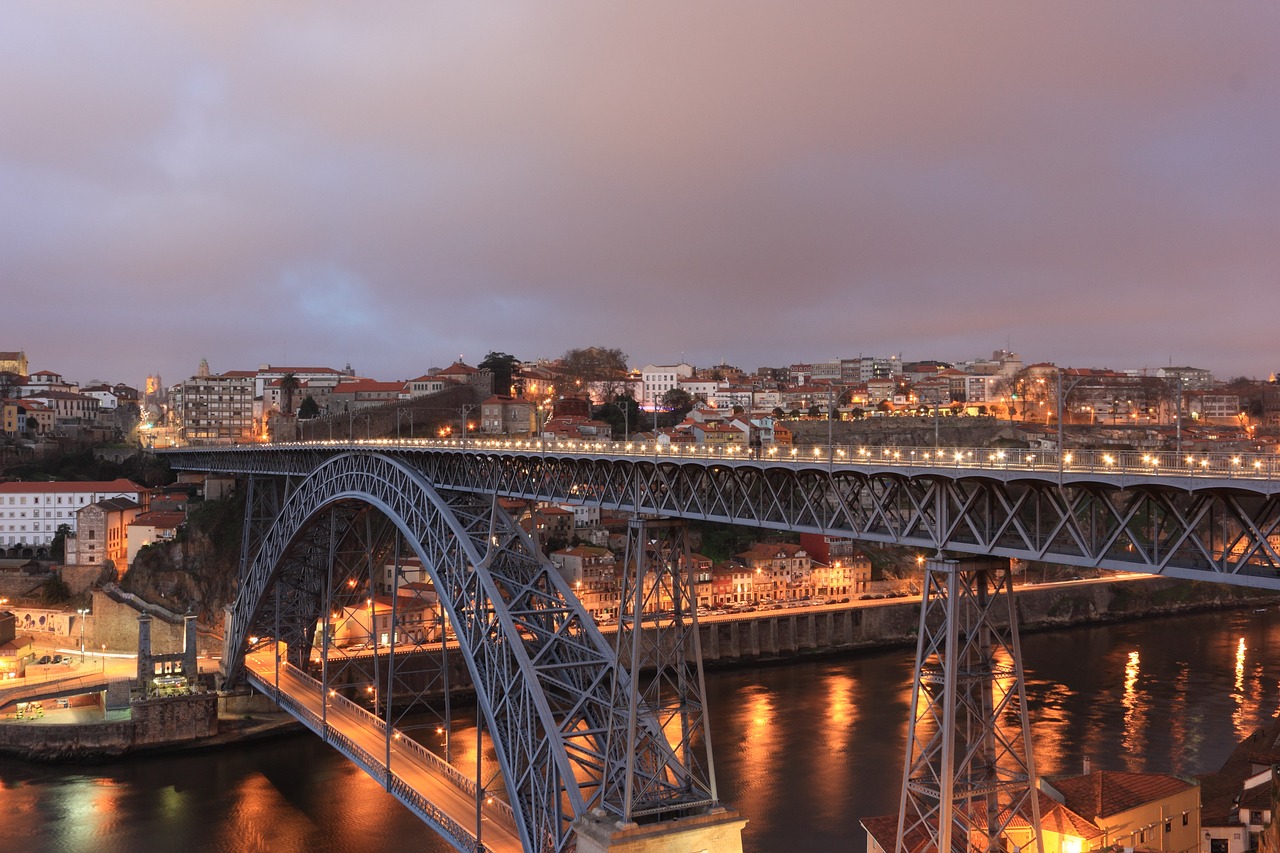
6. Lisbon: a bica within an ordinary city day
In Lisbon, bica is a familiar local term for an espresso-style coffee. A small coffee with a pastel de nata can be a useful pause after a hill walk, while a speciality café provides another brewing perspective. Baixa, Chiado and the streets around Príncipe Real give different contexts for the stop. The Lisbon restaurant guide can help make the subsequent meal deliberate. Coffee culture is easier to notice when the café belongs to the day's route rather than requiring a long detour solely to reproduce another visitor's breakfast image.
Preparations whose method is part of the experience
7. Istanbul: let the grounds settle
Istanbul provides a setting for Turkish coffee, prepared with finely ground coffee and served with grounds remaining in the cup. Sugar preference is normally established during ordering rather than corrected later in the same way as a filtered drink. The UNESCO Turkish coffee description records its 2013 inscription and social context. Choose a café session in a district such as Kadıköy or the historic peninsula, with a separate plan for the ferry or other journey home. The preparation deserves a slower pace than a hurried takeaway.
8. Addis Ababa: a ceremony with a host and a context
Addis Ababa offers an introduction to Ethiopian coffee traditions through an appropriately hosted ceremony, including roasting, grinding and preparation in a jebena. Ethiopia's importance in coffee history concerns a wider region and tradition; the capital should not be called the literal birthplace of the coffee plant. Ask about the format and duration before joining. Choose a host who explains what is being shared rather than treating the ceremony as a staged photo sequence. Country and local travel guidance should shape the wider visit, with restricted regions distinguished from the capital itself.
Vietnamese coffee: keep the city associations clear
9. Hanoi: egg coffee as a separate café occasion
In Hanoi, cà phê trứng combines coffee with a rich egg-based topping, creating a different texture from ordinary milk coffee. The Old Quarter and the area around Hoàn Kiếm Lake provide useful café settings. Treat the cup as a substantial small experience rather than adding it mechanically to every meal. A city food day might begin with bánh cuốn and include coffee later, leaving time for walking between them. Availability elsewhere in Vietnam does not erase the drink's particular association with Hanoi's café history.
10. Ho Chi Minh City: phin coffee and condensed milk
Ho Chi Minh City offers a good setting for watching a phin filter drip coffee slowly into a cup. Cà phê sữa đá combines coffee, condensed milk and ice, giving another distinct preparation to understand. A seated café session can provide a break from the traffic and the heat, with the ingredients and the pace of brewing supplying the interest. Coconut coffee and other contemporary variations may also appear, but do not present every sweet Vietnamese drink as a traditional speciality unique to this city.
Compare preparations without turning the holiday into a caffeine test
A useful tasting note can contain three simple observations: the preparation, the texture and what you enjoyed. There is no need to adopt a specialist vocabulary before appreciating a cup. A darker espresso, a light-roast filter coffee and a sweet condensed-milk drink serve different preferences. If a roaster offers a tasting, ask how many samples and how long it lasts so it fits comfortably into the day.
For an illustrative Melbourne morning, choose one café for breakfast and a milk drink, explore the neighbourhood, then visit a roaster later if the brewing interest remains strong. Those are planning choices, not a challenge to consume a fixed amount. The budget tool can include café breaks, while the phrasebook helps prepare a simple order and milk or ingredient questions. Personal caffeine preferences and health needs remain individual.
Make the café part of the place
The city-cost comparison helps frame a wider trip, but the price of a single fashionable coffee is not a reliable measure of an entire city's affordability. Choose accommodation and routes first, then add café sessions where they make sense. The Asian food guide gives more context for Vietnamese meals, while a museum or neighbourhood walk supplies a reason to be in the area beyond the cup itself.
Confirm a selected café's current hours, menu and booking format if it is the main purpose of an outing. For ordinary city exploration, keep a second nearby option rather than a rigid list of supposedly essential tables. The best coffee stop may be the one whose host explains a preparation clearly and whose location gives you time to watch the neighbourhood, return later or simply enjoy a quiet conversation.
Frequently asked questions
Is Viennese coffeehouse culture internationally UNESCO-listed?
The relevant recognition is inclusion in Austria's national inventory of intangible cultural heritage in 2011. That differs from an inscription on UNESCO's international Representative List or a World Heritage Site designation. Turkish coffee culture has its own international inscription, dated 2013, which should be described separately and accurately.
Is egg coffee a Ho Chi Minh City speciality?
Hanoi has the particular association used in this guide, while Ho Chi Minh City offers other strong café experiences, including phin coffee and cà phê sữa đá. Drinks can be sold in several cities without sharing the same historical origin. Keep the preparation and its context together when choosing what to try.
Do I need to book a coffee tour?
An ordinary café visit is enough for many travellers, especially when the preparation and ordering style are clear. A roaster tasting or hosted ceremony can add value if you want explanation and know the format in advance. Choose the activity for what you will learn rather than assuming a paid tour is necessary to enjoy a city's coffee culture.
Links & Resources
Official tourism and planning sources
- Vienna tourism: Find Viennese coffeehouse ideas and the city’s broader cultural attractions.
- Turismo Roma: Explore Roman districts where a short coffee stop fits a walking day.
- Italia: Naples: Read about Naples and the food traditions surrounding an espresso stop.
- Visit Melbourne: Discover Melbourne neighbourhoods, café culture and local food experiences.
- Visit Seattle: Explore Seattle coffee history, neighbourhoods and visitor planning ideas.
- Visit Lisboa: Find Lisbon areas and activities to combine with a bica break.
- Vietnam tourism: Learn about Vietnamese destinations and the setting of their café traditions.
- GoTürkiye: Istanbul destinations: Locate Istanbul districts for a coffee session and a separate city visit.
- UK travel advice: Ethiopia: Read current Ethiopian restrictions, regional risks and Addis Ababa travel considerations.