7 Best Cities for Wine Lovers: Cellars, Vineyards and Tastings
A wine city can offer several different trips: a guided cellar session, vineyard walks within the urban boundary, a museum that explains production, or restaurants with a strong regional list. Porto, Vienna and Buenos Aires illustrate why those experiences should not be treated as the same thing. This seven-city selection identifies the wine interest, the geographical relationship with vineyards and a practical way to make tasting part of a balanced city stay.
Begin with the question you want the visit to answer. Fortified port, a Bordeaux blend, Tuscan Sangiovese and Chilean Carménère involve different places and production traditions. The food-lover city guide adds the restaurant angle, while the slow-travel selection provides a framework for longer stays. A thoughtful wine trip can include modest tasting sessions and substantial time for architecture, food and ordinary neighbourhood life.
Fortified wine and a museum-led introduction
1. Porto: start with the lodge, then consider the valley
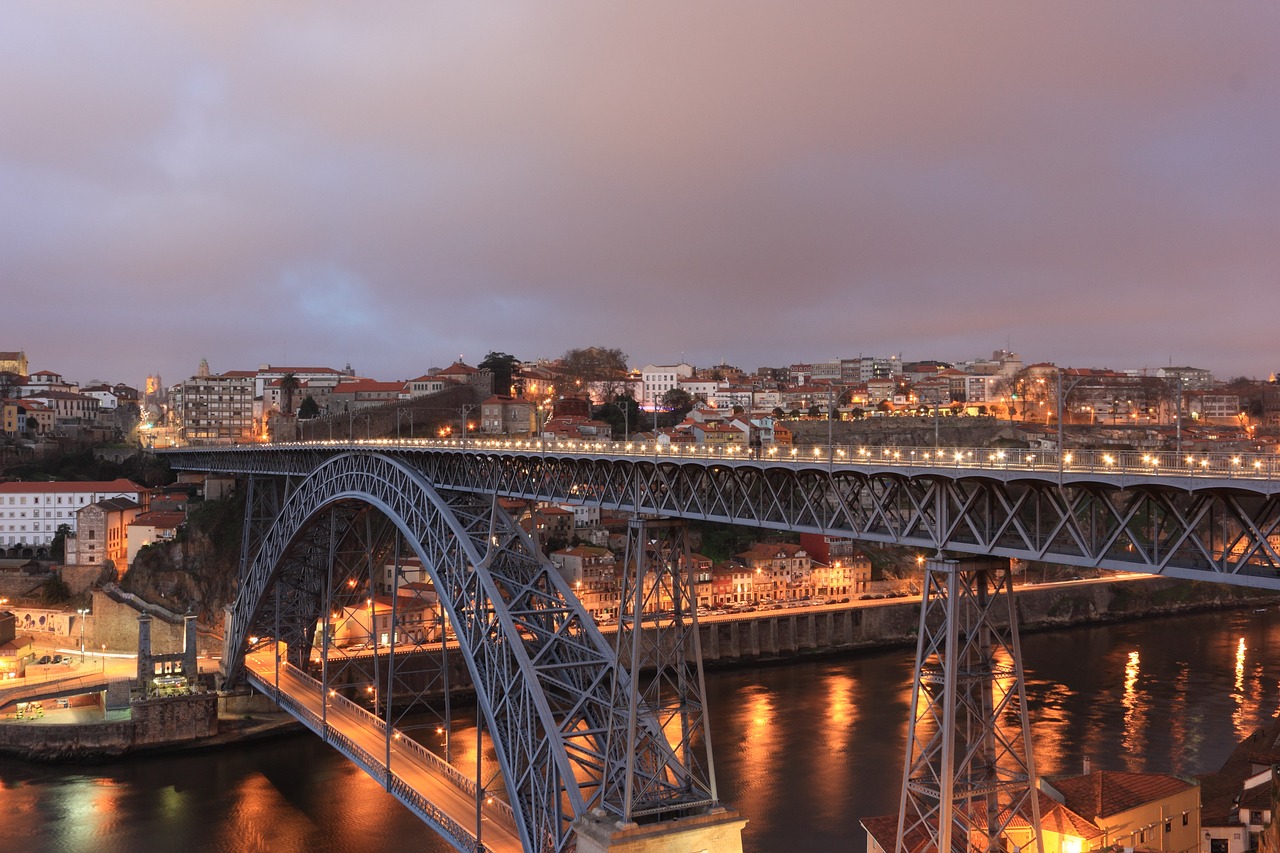
Porto is a useful introduction to port because the lodges in Vila Nova de Gaia provide guided explanations and tastings near the city. Ruby, tawny and other categories should be understood through the selected session rather than reduced to a single sweet-wine description. The riverfront geography matters: Gaia is across the Douro, while the vineyard landscape farther upstream belongs to a different day.
Choose a cellar tour that states its language, duration and tasting format. Two or three nights can provide a city introduction with one lodge visit and time around Ribeira. The Porto restaurant guide helps organise food around the session. A Douro Valley excursion deserves its own transport and time allowance. The Port and Douro Wines Institute supplies official context for wine categories and the region, rather than a sales pitch for one producer's most expensive tasting.
2. Bordeaux: learn the categories before booking a château
In Bordeaux, La Cité du Vin, opened in 2016, gives a museum-led route into wine history and cultures. The city is also a base for distinct wine areas, including Médoc and Saint-Émilion, which require different journeys. A château visit is not automatically available by walking from the centre or arriving without an appointment. Pick the area and the kind of explanation before choosing transport.
Three full days can accommodate a museum session, central Bordeaux and one organised vineyard outing. Cabernet Sauvignon and Merlot are useful grape references, but the experience should also explain appellation, blending and place. The Bordeaux tourism overview of Cité du Vin describes the institution and its visitor formats. A city wine bar can provide a shorter comparison session if the holiday is not long enough for a countryside day, leaving the riverside architecture and a normal restaurant meal intact.
Italian wine with food and a separate countryside day
3. Florence: Tuscany is a region, not a central-city vineyard
Florence makes a useful base for Tuscan wine interests, especially when Sangiovese and Chianti are part of the food trip. The city itself offers wine bars and restaurants; the vineyard experience needs a specific destination outside the centre. Do not attach the name Chianti to every glass of Tuscan red or assume all producers use the same blend and ageing approach.
Allow three or four days if a countryside outing is important, counting that outing separately from the Uffizi or cathedral district. The Florence dining selection helps connect a regional wine with a meal rather than an isolated tasting checklist. Ribollita and other Tuscan dishes give food context, though pairing preferences remain personal. Choose a guided transfer or another suitable transport arrangement for a tasting day, so driving is not something to negotiate after the glasses have been poured.
South African and Chilean vineyard connections
4. Cape Town: distinguish Constantia from farther wine regions
Cape Town has a particularly useful relationship with Constantia, where wine estates form part of the wider metropolitan experience. Stellenbosch and Franschhoek are different destinations farther from the central city. A blanket promise that every vineyard is forty-five minutes away hides the route, traffic and actual estate selected. The geography should determine the outing rather than the broad label Cape Winelands.
Chenin Blanc and Pinotage provide two recognisable South African wine interests, while an estate may specialise in other grapes or styles. An illustrative five-night Cape Town stay could give one day to Constantia or a separate winelands route, leaving the mountain and museums for other sessions. Select the tasting for explanation and format, not merely the number of samples. Keep a meal and transport in the plan, with the city still worthwhile if an outdoor session is affected by weather.
5. Santiago: identify the valley and the estate
Santiago offers a city base for exploring Chilean wine, with Maipo and Casablanca providing different regional directions. Carménère and Cabernet Sauvignon are useful starting references, but the selected estate's actual wines should lead the tasting. A valley name is not a journey time, and a producer advertised as accessible from Santiago may still require substantial road movement and an advance appointment.
Three or four city days can include a collection, a neighbourhood meal and a dedicated wine outing. Bellavista and Lastarria offer urban settings with their own cultural interest, so not every afternoon needs to leave the capital. The Chile Travel website provides broader regional orientation. Compare a city tasting with a vineyard day according to time available: the former is useful for trying styles, while the latter can explain landscape, growing conditions and production at a particular place.
Wine within a capital and wine encountered through a capital
6. Vienna: urban vineyards and the Heuriger tradition
Vienna has vineyards inside its municipal boundary, with Nussberg, Grinzing and Stammersdorf offering different leads. Wiener Gemischter Satz refers to a local wine tradition involving several grape varieties grown together and harvested together under defined rules. It is more specific than describing every Austrian white as the same light wine. The vineyard setting and a Heuriger visit offer an experience distinct from the central palace-and-museum circuit.
The Austrian UNESCO Commission's Heuriger entry explains the cultural practice in the national inventory. Choose the actual establishment and date; seasonal opening customs differ. A three-day stay can include one vineyard-side session and separate central sightseeing. Vienna need not be called the only capital with vineyards to make this interesting. Its particular advantage is the way wine-growing districts connect with a substantial urban cultural visit and a recognisable local tavern tradition.
7. Buenos Aires: use the city for a guided regional comparison
Buenos Aires offers wine bars and guided tastings that can introduce Argentine regions, including Malbec associated with Mendoza and Torrontés associated with the northwest. The capital is not itself a convenient walking gateway to Mendoza's vineyards. A flight or longer overland extension changes the trip, so keep the urban tasting and the countryside stay as separate decisions.
Three or four days in the capital can combine a tasting with San Telmo, a performance and neighbourhood meals. Choose a session that identifies regions and grape varieties, then ask how the wines differ rather than seeking a universal best Argentine bottle. Food can form part of the comparison without requiring a large parrilla meal every evening. A well-explained city session can be a satisfying wine experience in its own right when the itinerary has no space for another domestic destination.
Choose a tasting for what it explains
Read the format carefully: a guided cellar tour, a seated comparison and a producer visit can all include wine while teaching different things. The number of glasses is a poor substitute for a clear subject. Ask whether the session introduces production, grape varieties, regional styles or food pairing. A smaller comparison with useful explanation may be more memorable than several consecutive tastings that leave little attention for the final one.
For an illustrative Bordeaux day, give the museum a morning, have a normal lunch and leave an afternoon walk or one short wine session as the remaining commitment. Put the vineyard outing on another day. The budget planner can separate admission, tasting, food and transport, while the best-time tool provides seasonal context. Harvest periods vary by region and year, and a busy production season is not a guarantee of extra visitor access.
Bring the experience home thoughtfully
If buying a bottle, ask about its style and whether it is ready to drink, then consider airline baggage and destination customs separately. A cellar recommendation does not establish what you may carry through a border. The packing guide explains why liquids and luggage need their own planning, while the phrasebook can organise a few useful tasting questions before departure. Keep the focus on the wine you enjoyed rather than purchasing solely because the trip feels incomplete without a bottle.
Wine is optional within every city suggested here, and non-drinking companions can still enjoy museums, food and landscape. Plan transport that does not depend on driving after a tasting. Confirm the selected venue's live price, schedule and inclusions once before reserving. The remaining decision is the experience itself: whether you want to understand a fortified style, a vineyard landscape, a cultural practice or the regional range encountered in a city glass.
Frequently asked questions
Is Porto's wine region inside the historic centre?
The Gaia lodges lie across the Douro from central Porto, while the vineyard landscapes farther up the river require a separate outing. A city cellar visit and a Douro Valley excursion therefore involve different time and transport commitments. Choose the experience first rather than assuming every port-related booking takes you to the same place.
Can I visit Mendoza's vineyards during a short Buenos Aires stay?
Mendoza is a separate destination from the Argentine capital and needs its own connection and time allowance. A city tasting in Buenos Aires can introduce regional wines without that extension. If the vineyard landscape is the main interest, plan the wine-region stay explicitly rather than presenting it as an ordinary capital-city afternoon.
When is the best season for a wine-city break?
The answer depends on whether the trip centres on indoor tastings, countryside walks or an actual harvest-related activity. Northern and southern hemisphere wine regions have different seasonal calendars. Establish the selected venue's visitor programme before booking, because harvest work can limit rather than increase access at an individual producer.
Links & Resources
Official tourism and planning sources
- Visit Porto: Find Porto visitor routes and the riverfront setting near Gaia’s lodges.
- Bordeaux tourism: Explore Bordeaux wine visits, city districts and regional excursion options.
- Feel Florence: Plan Florence cultural visits alongside a separately organised Tuscan wine day.
- Cape Town tourism: Discover Cape Town areas and options for connecting city and winelands interests.
- Chile Travel: Read about Chilean regions and the landscapes surrounding a wine-focused trip.
- Vienna tourism: Find Viennese vineyard districts and local Heuriger visiting ideas.
- Buenos Aires tourism: Explore Buenos Aires neighbourhoods and cultural activities around a city tasting.
- Wines of South Africa: Explore South African wine regions, producers and wine-industry background.