8 Cities for Slow Travel: Longer Stays and Ordinary Pleasures
Slow travel is not a promise that a destination is quiet. Kyoto's famous lanes, Lisbon's central streets and Ubud's visitor areas can be busy, while a longer stay still lets you choose a different rhythm. Repeating a neighbourhood walk, finding a meal you like and leaving a substantial garden visit unhurried can make the holiday feel richer without adding another city every morning.
These eight bases support different versions of that approach: culture, cafés, a river-centred routine or a city stay with nature nearby. The emphasis is on days you can live comfortably, rather than an itinerary designed to prove that you have switched off completely. Choose accommodation suited to the longer stay, understand the local journeys and let ordinary needs become part of the visit. Rest and curiosity can share the same holiday without turning residents' everyday lives into a visitor performance.
Gardens and heritage with room to revisit
1. Kyoto: separate temple areas across several days
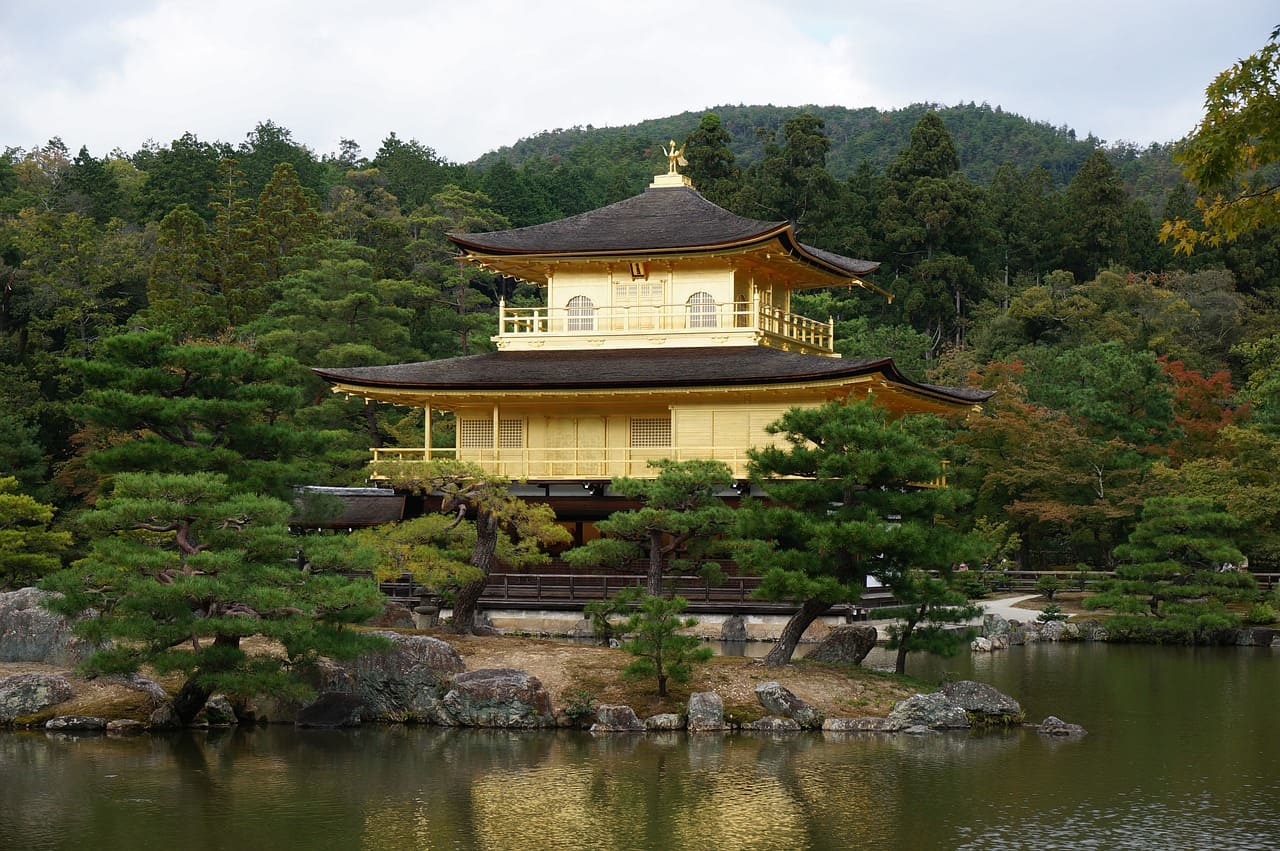
Kyoto benefits from a longer allocation when gardens, shrines and neighbourhood meals are the point of the trip. Try six nights with one main area on each substantial visiting day: Higashiyama, a northern temple cluster and the Fushimi district need not become one continuous itinerary. A garden visit can justify a long pause rather than a fast photograph. Keep a day without another major reservation so weather or a place you enjoy can change the plan.
A meal from the Kyoto restaurant guide can anchor a quieter evening without requiring another cross-city journey. Public tea or craft activities provide invited participation, while residential streets still require ordinary privacy and consideration. The Kyoto responsible-travel guidance explains those boundaries. A slower stay should reduce the pressure you place on a neighbourhood, not extend an intrusive search for photographs because more time is available.
2. Luang Prabang: understand the peninsula before adding excursions
Luang Prabang sits between the Mekong and Nam Khan rivers, with Wat Xieng Thong as a specific cultural visit. The town's UNESCO recognition dates from 1995 and reflects its built and cultural setting rather than a guarantee that every street is silent. Five nights can give you time for the central area, a considered museum or temple visit and an ordinary afternoon that does not depend on another organised activity.
Respect religious life and follow the local guidance around alms-giving and other practices. A sacred routine should not be treated as an interactive spectacle or a reason to photograph people closely without consideration. Excursions beyond the town bring their own road, weather and transport questions, so choose one deliberately rather than filling every free day. A river view and a quiet meal can remain enough for an afternoon without diminishing the value of the trip.
Food and café routines in living neighbourhoods
3. Lisbon: give a district more than one passing visit
Lisbon suits a longer stay when you choose a base around the routes you expect to use regularly. Five or six nights can support the centre, another neighbourhood and a separate Belém outing without repeatedly packing or rushing. Baixa, Alfama and the riverfront offer different settings, while the hills affect the ordinary walk back to your room. Accommodation comfort becomes especially important when the property is where you want to rest between outings.
Browse the Lisbon dining pages for a meal you want, then let other lunches remain simple. A pastel de nata and coffee can form a pleasant familiar stop without a mission to find the least photographed café. Use public transport when it keeps the day comfortable. In Alfama, keep noise and photography considerate around homes, and leave the main walking route easy to shorten. A quiet seated interval can be more useful than another climb chosen only to fill the afternoon.
4. Bologna: porticoes, markets and a longer lunch
Bologna invites a five-night stay built around the historic centre, food and repeat walks under its porticoes. Piazza Maggiore and the Quadrilatero provide a recognisable first area, while a San Luca outing is a separate uphill commitment rather than the automatic continuation of a central stroll. Selected Bologna porticoes received UNESCO recognition in 2021, giving a familiar street feature a substantial architectural context.
Tagliatelle al ragù and tortellini are specific dishes to seek out thoughtfully, without assuming every menu or business uses the same preparation. Reserve a special meal if it matters and let another day unfold around the market area and a modest public cultural visit. A longer stay provides room to try one experience properly and revisit a street you liked. It does not require eating at a different famous address for every meal.
A river centre and a Norwegian harbour base
5. Ljubljana: a compact setting for repeat walks
Ljubljana supports an unhurried stay around the Ljubljanica, Central Market and the castle, with Tivoli Park offering another public area. Five nights can include a few cultural visits and an excursion if you want one, but the city does not need to become merely a sleeping place between daily departures. Return to the river at a different time and notice how ordinary shopping, meals and evening walks use the same setting.
Choose the castle approach or funicular according to the day rather than treating the uphill route as a test of commitment to slow travel. A gallery or museum can be the only booked activity in an afternoon. In a compact centre, a familiar meal area and comfortable accommodation may matter more than adding another destination. The walking-city guide helps assess terrain and breaks without assuming that every small place is uniformly easy on foot.
6. Bergen: let rain and a mountain outing have their own time
Bergen provides a harbour-centred urban stay with Bryggen, museums and a possible Fløyen outing. Bryggen's UNESCO recognition dates from 1979 and concerns a historic trading setting, not an invitation to enter every building freely. Allow five or six nights if you want a substantial excursion beyond the city, and keep that excursion separate from the ordinary neighbourhood days that make the base worth staying in.
Rain is part of the planning context rather than evidence that the holiday has failed. A museum and a seated meal can replace an outdoor block, while a mountain or fjord excursion needs the appropriate current operating and weather information. Bergen has long summer days but no midnight sun, so avoid adopting expectations from much farther north. Leave a spare day if the outdoor experience matters more than fixing it to the first available afternoon.
A Bali town and a larger city beside nature
7. Ubud: choose a usable address, not an island-wide label
Ubud is a specific town on Bali, with a central street setting and surrounding accommodation areas that can produce very different daily routes. Jalan Raya Ubud, the market area and the Campuhan approach provide orientation, but the town is not universally quiet or pedestrian-easy. A six- or seven-night stay gives you time to assess the pace without assuming every property with a landscape photograph is conveniently reachable from meals and public activities.
A public craft workshop or cultural performance can be a deliberate outing, while temples and ceremonies have their own invitations and boundaries. Respect local access and photography instructions rather than interpreting a slower holiday as unlimited permission to observe private life. Rain and humidity affect both walking and accommodation comfort. Choose a base where an ordinary restful day actually works, rather than relying on a series of motorised excursions to make a remote room feel practical.
8. Cape Town: keep one neighbourhood and one outdoor anchor
Cape Town is a large metropolitan destination, so a slow stay begins with a specific area rather than a claim that the whole city moves at one gentle pace. Sea Point's promenade and another selected cultural district can support different days from a Table Mountain outing. Give a week-long stay enough space for the main outdoor experience to move if weather or operating conditions make the originally chosen day unsuitable.
Kirstenbosch offers another distinct garden outing with its own journey and visiting time. Do not combine every nature attraction into one day simply because each looks relaxing in a photograph. Research current destination advice and use suitable transport for the actual routes; scenic appeal is not a safety guarantee. Accommodation location, ordinary meals and a practical return determine whether the daily routine feels comfortable once the major sightseeing is no longer the day's only purpose.
Make the longer stay comfortable in ordinary ways
Read the accommodation details you might ignore on a one-night visit: noise, heating or cooling, seating, laundry and the final route home. A kitchen can help, but only if the equipment and your meal plans make it useful. Price the whole commitment including fees and deposits. The city-cost tool helps compare those categories without pretending that an advertised nightly rate describes every expense of living in the base for a week.
Arrange food through both special and ordinary choices. One planned restaurant meal can be memorable while supermarket supplies, a simple lunch or a familiar café support the other days. The currency converter helps interpret quotations, and our budget travel article explains fixed commitments and flexible spending. A slower trip does not have to become a luxury retreat; it needs a realistic bill and enough room to change an unsuitable arrangement.
Choose two or three priority experiences for a five- to seven-night stay, then leave the remainder adjustable. Those numbers are a suggested planning structure, not a rule about what every traveller should enjoy. The best-time planner helps assess the region's broad seasonal pattern, while the European timing guide explains the difference between a general season and a specific event period that can alter accommodation demand.
Use less movement and more attention
A longer base reduces some packing and transfer tasks, but it can still become rushed if every morning begins with a long day trip. Choose excursions because they add an experience you value, not because an empty afternoon feels like wasted travel. Our sustainable-travel guide considers the wider impact of journeys and accommodation without suggesting that slow travel automatically makes every holiday environmentally harmless.
Spend time in public places and businesses that welcome visitors, paying fairly for the services you use. The local-style exploring guide encourages learning about routines without claiming to become a resident after several café visits. Ask before close photographs of people and working spaces. Repetition can produce familiarity, but it does not create a right to enter private areas or monopolise a small venue because you have returned several times.
Keep current government destination advice separate from the mood a place evokes. A restorative photograph does not settle route, access or regional conditions. The packing guide helps make the few transfers you do choose manageable, while the destination finder can suggest a base matching your interests. Slow travel succeeds when the stay supports rest and attention in practice, with the freedom to enjoy an ordinary day without proving how much you have seen.
Frequently asked questions
How long should I stay for a slow city trip?
Five to seven nights in one base can be a useful starting structure, depending on the city and your interests. Choose a few priority experiences and leave time for ordinary meals, repeat walks and rest. The important distinction is fewer unnecessary moves and a manageable daily routine, rather than achieving a fixed minimum number of nights.
Does slow travel mean avoiding famous attractions?
A major garden, museum or heritage site can be the main reason for a longer stay. Give it enough time and place it in a coherent day instead of adding every other famous stop around it. Slow travel changes the pace and attention of the visit; it does not require abandoning public attractions simply because other visitors enjoy them.
Are all these cities naturally quiet?
These destinations contain busy areas and changing seasonal demand, so quiet cannot be guaranteed by the city name. Choose the actual accommodation, neighbourhood and daily route with your preferences in mind. A longer stay gives you more room to vary the timing and enjoy simpler days, but it does not transform every district into a retreat.
Links & Resources
Sources for eight longer stays
- Kyoto Travel: Eight longer stays: kyoto areas and visitor planning
- UNESCO — Luang Prabang: Eight longer stays: luang prabang areas and visitor planning
- Visit Lisboa: Eight longer stays: lisbon areas and visitor planning
- Bologna Welcome: Eight longer stays: bologna areas and visitor planning
- Visit Ljubljana: Eight longer stays: ljubljana areas and visitor planning
- Visit Bergen: Eight longer stays: bergen areas and visitor planning
- Indonesia destination advice: Eight longer stays: regional conditions and practical information for the Bali stay
- Cape Town tourism: Eight longer stays: cape town areas and visitor planning