Mexico City Travel Guide: Sights, Neighbourhoods & Tips for 2026
Mexico City is one of the largest cities in the Americas, built on the remains of Tenochtitlan, the Aztec capital founded on an island in a lake in 1325. Today it combines pre-Hispanic ruins, colonial churches, world-class museums and a food scene that ranges from street tacos to celebrated tasting menus. This Mexico City travel guide divides the metropolis into manageable areas and helps you plan five days at a comfortable pace, allowing for the city's high altitude.
The city sits at about 2,240 metres above sea level, which can leave new arrivals breathless and tired for the first day or two. Take it easy, drink water and avoid heavy exercise at first. The historic centre and Xochimilco are together a UNESCO World Heritage Site, and the city is home to an extraordinary number of museums.
Mexico City is huge, but its main visitor areas are well connected. The official Mexico City tourism site lists exhibitions, festivals and neighbourhood guides, including the Day of the Dead celebrations at the start of November. Plan your days by area to avoid hours in traffic between distant neighbourhoods.
Where to stay in Mexico City
Roma Norte and Condesa, adjoining neighbourhoods south-west of the centre, are the most popular bases, with tree-lined streets, Art Deco buildings, parks and many restaurants and cafés. They are walkable and well served by metro and Metrobús, and they feel lively without being overwhelming.
The Centro Histórico puts the Zócalo, the cathedral and the Templo Mayor within walking distance, but it is quieter at night. Polanco, near Chapultepec Park, is upmarket, with luxury hotels, shopping and the Museo Soumaya. Coyoacán, in the south, is charming and historic but a longer journey from the centre.
A small accommodation tax is usually added to the bill. Earthquakes are a consideration in Mexico City; buildings are designed with this in mind, and many hotels display safety information. Comparing Roma with Polanco in the city-cost tool shows the price gap, and the packing planner helps with layers, since mornings and evenings can be cool at altitude.
The Centro Histórico and Aztec Mexico
The Zócalo, officially the Plaza de la Constitución, is one of the largest public squares in the world, framed by the Metropolitan Cathedral and the National Palace. The cathedral, built over nearly three centuries, shows how the colonial city rose on Aztec foundations. The National Palace contains Diego Rivera's murals depicting Mexican history.
The Templo Mayor, the main temple of Tenochtitlan, was rediscovered in 1978 just off the Zócalo. Its excavated ruins and museum explain Aztec religion and the city destroyed in the Spanish conquest of 1521. Allow two hours. The excavation began after electricity workers uncovered the great carved disc of the moon goddess Coyolxauhqui, now displayed in the museum.
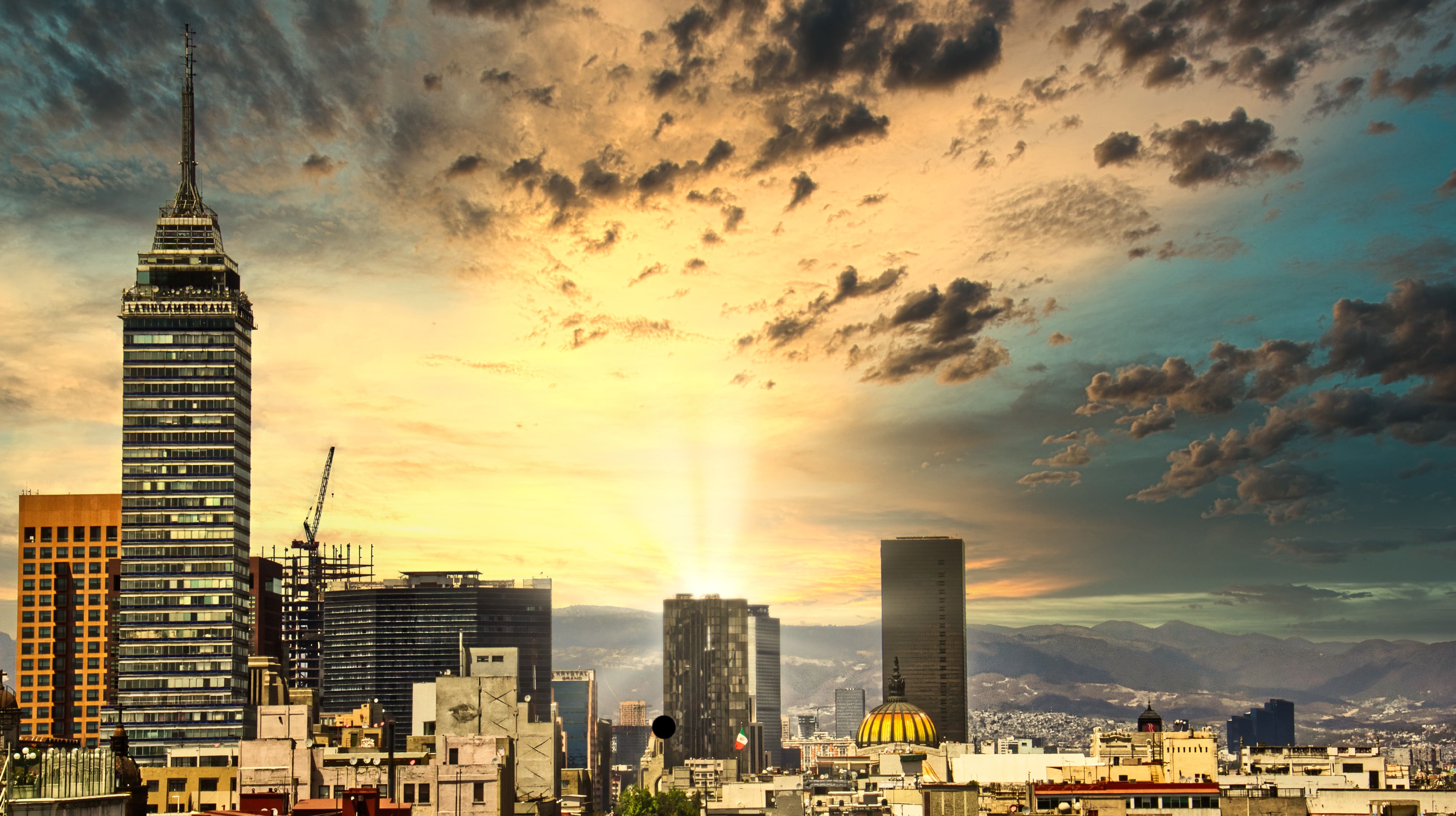
Nearby, the Palacio de Bellas Artes, completed in 1934, combines Art Nouveau and Art Deco styles and holds murals by Rivera, Orozco and Siqueiros. The view of it from the café terrace of the department store across the road is a classic.
Chapultepec, museums and Coyoacán
Chapultepec Park is one of the largest urban parks in Latin America. It holds the National Museum of Anthropology, one of the world's great archaeological museums, with the Aztec Sun Stone and treasures from the Maya and other civilisations. Give it at least half a day, ideally a full one. The museum is closed on Mondays, like many in the city.
Chapultepec Castle, on a hill in the park, houses the National Museum of History and offers views across the city. The Museo Tamayo and the Museum of Modern Art are also in the park. Polanco's Museo Soumaya, in a shimmering modern building, is free and holds a large private collection.
Coyoacán, in the south, is home to the Frida Kahlo Museum, the Casa Azul where the artist was born and lived. Tickets are timed and sell out, so book online well in advance. The neighbourhood's plazas, markets and cafés make a relaxing afternoon.
Beyond the centre, San Ángel's Saturday art market at the Plaza San Jacinto and the Diego Rivera and Frida Kahlo House-Studio Museum, designed by Juan O'Gorman, combine well with Coyoacán. Further south, the campus of the National Autonomous University, UNAM, is a UNESCO World Heritage Site known for its mosaic-covered Central Library.
Getting around Mexico City
The metro is cheap and extensive, though very crowded at rush hour; some lines have women- and children-only carriages at busy times. A rechargeable integrated mobility card works on the metro, Metrobús and other systems. Metrobús lines, rapid buses in dedicated lanes, connect key areas including the airport.
Ride-hailing apps are widely used and convenient, especially at night, and generally considered safer than hailing a street taxi. From the airport, use authorised taxi ranks inside the terminal or a ride-hailing service. Traffic can be extremely heavy, so plan journeys outside rush hour where possible.
Walking within Roma, Condesa and the centre is pleasant. The Wikivoyage Mexico City guide explains metro and Metrobús routes, card top-ups and neighbourhood transport in practical detail. On Sunday mornings a long stretch of Paseo de la Reforma closes to cars for cyclists, runners and walkers.
What to eat in Mexico City
Tacos al pastor, spit-roasted pork with pineapple, are the city's signature street food. Try also tlacoyos, oval masa cakes with toppings, quesadillas from street stalls, tamales for breakfast and chilaquiles. Mole, the complex sauce of chillies and spices, appears in many forms.
Markets such as Mercado de Coyoacán and Mercado San Juan, which specialises in unusual ingredients, are great for exploring. Mexico City also has internationally acclaimed restaurants; reserve well in advance. Our Mexico City restaurant guide suggests further places to try.
Drink bottled or filtered water rather than tap water. Choose busy street stalls with high turnover. Tipping of around ten to fifteen percent is customary in restaurants. Mezcal and pulque, a traditional fermented drink, are worth tasting in a specialist bar. Fondas, small family restaurants, serve comida corrida, a set lunch of several courses, at very low prices.
Murals, markets and festivals
Mexico City is an open-air gallery of twentieth-century murals. Beyond the National Palace and Bellas Artes, the Secretariat of Public Education building in the Centro Histórico holds more than two hundred panels by Diego Rivera, and the Antiguo Colegio de San Ildefonso has early works by José Clemente Orozco. Many of these buildings are free or inexpensive to enter.
The Day of the Dead, at the start of November, fills the city with altars, marigolds and parades, and the cemeteries of Mixquic, on the southern edge of the city, hold candlelit vigils. Book accommodation early if you plan to visit then. On Sundays, families crowd Chapultepec Park, and the La Lagunilla flea market is a good place to browse antiques and vintage objects.
A five-day Mexico City itinerary
| Day | Area | Main focus |
|---|---|---|
| 1 | Roma and Condesa | Gentle start at altitude, parks, cafés |
| 2 | Centro Histórico | Zócalo, Templo Mayor, Bellas Artes |
| 3 | Chapultepec | National Museum of Anthropology, the castle |
| 4 | Teotihuacan | Pyramids of the Sun and Moon |
| 5 | Coyoacán and Xochimilco | Frida Kahlo Museum, canals by trajinera |
Use day one to adjust to the altitude in Roma and Condesa. Spend day two in the Centro Histórico and day three in Chapultepec. On day four, visit Teotihuacan, the ancient city about fifty kilometres north-east, whose Pyramid of the Sun is one of the largest in the Americas; leave early to avoid the heat and crowds.
On day five, see the Frida Kahlo Museum in Coyoacán, then take a colourful trajinera boat along the canals of Xochimilco. For more ideas on Mexican food, our street food city guide includes Mexico City, and our food lovers guide covers similar destinations.
Mexico City budget, seasons and safety
Mexico City offers good value, especially for food and transport. The dry season from October to April is the most comfortable; the rainy season from May to September brings afternoon storms. Spring can bring poorer air quality, and the altitude means the sun is strong, so use sun protection.
The city has areas of crime, so stay alert, use ride-hailing at night and keep valuables discreet. Read current UK advice for the latest safety information. Use the visa tool to check entry requirements and the currency converter to plan in pesos.
If Mexico City's culture and food appeal, destinations similar to Mexico City suggests comparable cities, and the destination finder can help plan the next trip. Oaxaca, famous for its moles and markets, is a short flight away, and Guadalajara is the home of mariachi.
Frequently asked questions
How many days do you need in Mexico City?
Five days cover the historic centre, Chapultepec and its museums, Coyoacán, Xochimilco and a day trip to Teotihuacan. Three days work for a focused visit to the centre and one museum day. The city's size rewards a longer stay.
Will the altitude affect me in Mexico City?
Many visitors feel short of breath or tired at first, as the city sits at about 2,240 metres. Take it easy on the first day, drink plenty of water and limit alcohol. Seek medical advice if you have concerns or a health condition affected by altitude.
How do you get to Teotihuacan?
Buses leave from the Terminal Autobuses del Norte and take about an hour, or you can join a guided tour. Arrive early to avoid the midday heat, wear a hat and bring water. Climbing on some structures is restricted, so follow the site's rules.
Links & Resources
Official sights, transport and planning
- Templo Mayor Museum: The excavated Aztec temple beside the Zócalo.
- Frida Kahlo Museum: Timed tickets for the Casa Azul.
- INAH — National Institute of Anthropology and History: Archaeological sites including Teotihuacan.
- UNESCO — Historic Centre of Mexico City and Xochimilco: Heritage background.
- UNESCO — Teotihuacan: The pre-Hispanic city.
- Palacio de Bellas Artes: Murals, exhibitions and performances.
- National Museum of History: Chapultepec Castle visiting information.
- UK government — Mexico travel advice: Safety and entry guidance.
On GuesTheCity
- Explore the city map: Locate the centre, Chapultepec and Coyoacán.
- Play Guess the City: Recognise Bellas Artes and the Zócalo.