Marrakech Travel Guide: Sights, Neighbourhoods & Tips for 2026
Marrakech is a city of red-ochre walls, palm groves and souks, with the snow-capped Atlas Mountains on the horizon for much of the year. Its medina, the walled old city, is a maze of lanes, workshops and courtyard houses that can feel overwhelming at first and fascinating once you find your rhythm. This Marrakech travel guide explains where to stay, how to navigate the medina, which palaces and gardens to visit and how to handle the souks with confidence.
Founded in the eleventh century by the Almoravid dynasty, Marrakech gave its name to Morocco itself in many languages. Its medina has been a UNESCO World Heritage Site since 1985. Beyond the walls lie the Gueliz and Hivernage districts, laid out during the French protectorate, with cafés, galleries and modern hotels.
Marrakech rewards an unhurried pace and good preparation. The Moroccan National Tourist Office's Marrakech page covers festivals, sights and day trips, including excursions to the Atlas valleys and the Agafay desert. In summer, explore the medina early in the morning and in the evening, and rest during the hottest hours.
Where to stay in Marrakech: riad or new town
A riad, a traditional house built around an inner courtyard, is the classic way to stay in the medina. Many have been converted into guesthouses with plunge pools, roof terraces and breakfast included. They offer calm behind thick walls, though rooms may be small and some are reached by narrow stairs.
Riads deep in the medina can be hard to find, and cars cannot reach most lanes. Ask your riad to send someone to meet you at the nearest drop-off point on arrival. Riads near Jemaa el-Fnaa or the Bab Doukkala gate are easier to reach. Gueliz and Hivernage, outside the walls, offer modern hotels, wider streets and restaurants, with taxis to the medina.
A tourist tax is usually charged per night. Check whether the riad has heating, as winter nights can be cold. Comparing a medina riad with a Gueliz hotel in the city-cost tool shows the difference in price and atmosphere, while the packing planner helps with modest clothing and layers for cool evenings.
Jemaa el-Fnaa, the Koutoubia and the souks
Jemaa el-Fnaa, the great square at the heart of the medina, changes throughout the day: orange-juice sellers and henna artists by day, food stalls, musicians and storytellers at night. Its oral traditions are recognised by UNESCO as intangible cultural heritage. Be aware that performers with animals, such as monkeys and snakes, raise welfare concerns, and photos will be charged for.
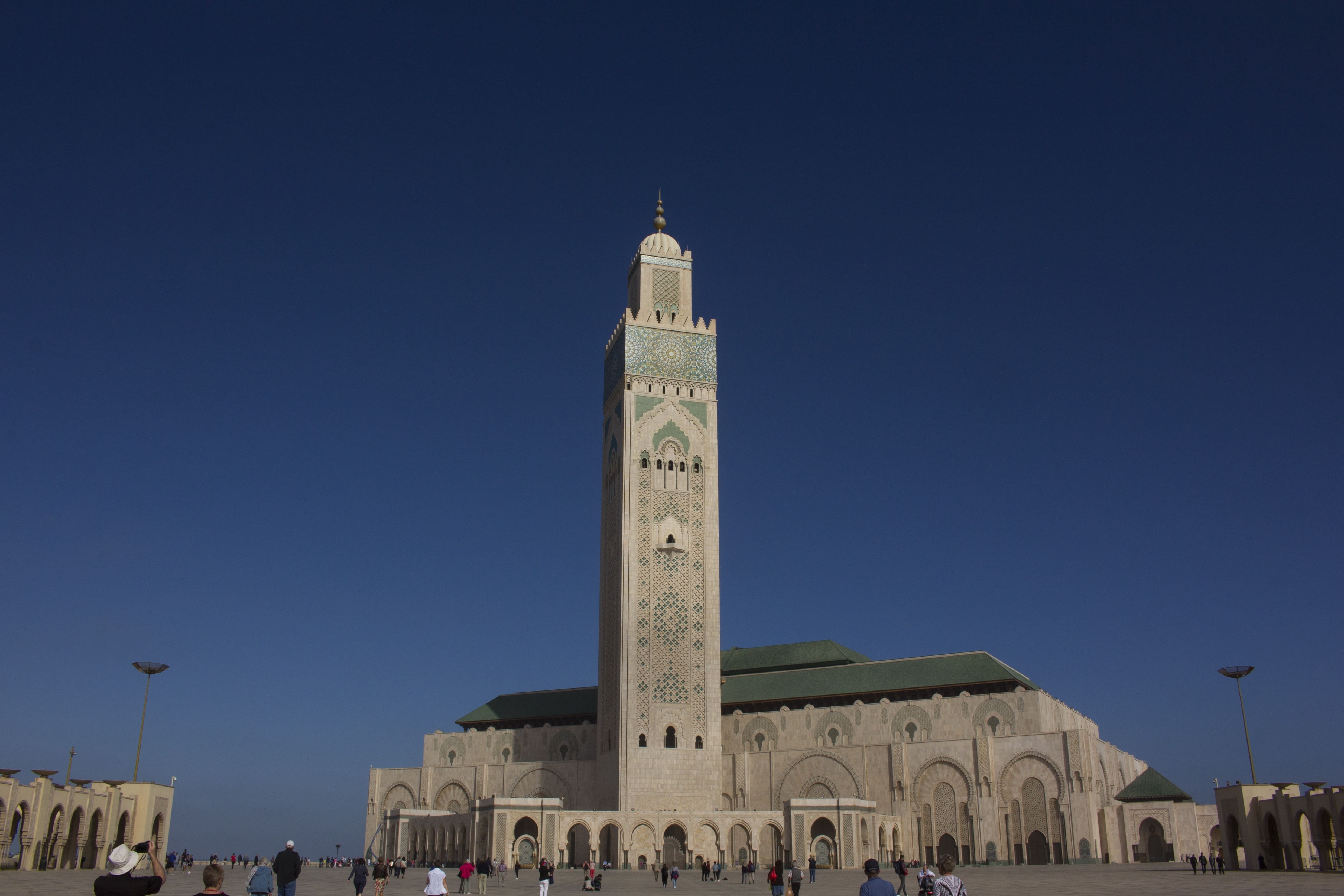
The Koutoubia Mosque, whose twelfth-century minaret is the city's landmark, stands just west of the square. Non-Muslims cannot enter the mosque, but its gardens are open. The minaret served as a model for other famous towers of the period. Its name comes from the booksellers who once traded near its base.
The souks spread north of Jemaa el-Fnaa, each traditionally specialising in a craft: leather, metalwork, carpets, spices and textiles. Bargaining is normal; start well below the asking price and stay friendly. Decline politely and keep walking if you are not interested, and be wary of people offering directions who then expect payment.
Palaces, madrasas and museums
The Bahia Palace, built in the late nineteenth century for a powerful vizier, has painted ceilings, tiled courtyards and gardens. The ruins of El Badi Palace, a sixteenth-century Saadian palace, show the scale of what was once one of the most lavish buildings of its time; storks nest on its walls.
The Saadian Tombs, sealed for centuries and rediscovered in 1917, hold the graves of the Saadian dynasty in richly decorated chambers. The Ben Youssef Madrasa, a former Quranic school, is admired for its carved cedar, stucco and zellij tilework around a central courtyard pool.
The Dar el Bacha palace houses the Museum of Confluences and a well-known coffee house. The Maison de la Photographie displays historic photographs of Morocco. Plan two or three monuments per day, as the medina's lanes make distances feel longer than they are.
Gardens and the Yves Saint Laurent Museum
The Jardin Majorelle, created by the painter Jacques Majorelle from the 1920s and later owned by Yves Saint Laurent and Pierre Bergé, is famous for its cobalt-blue villa, cacti and bamboo. It includes the Berber Museum. Tickets are timed and sell out, so book online and arrive at opening time.
The Musée Yves Saint Laurent, opened next door in 2017, displays the designer's work in a striking terracotta building. The Menara Gardens, with their olive groves and pavilion reflected in a basin, and the Le Jardin Secret in the medina offer calmer, greener alternatives.
The palm grove, the Palmeraie, on the edge of the city, is popular for camel rides and resort hotels. Respect local guidance about animal welfare when choosing activities. For open landscapes, the stony Agafay desert, around forty minutes away by road, offers sunset dinners with views of the Atlas.
A hammam, the traditional steam bath, is part of daily life in the medina. Public neighbourhood hammams are inexpensive and segregated by sex, while riads and spas offer private sessions with a scrub and massage. Bring a change of clothes and ask about etiquette if it is your first visit.
Getting around Marrakech
The medina is best explored on foot, though its lanes are confusing and scooters pass through at speed. Offline maps help, but they are not always accurate; landmarks and gate names are useful reference points. Petit taxis, small beige cars, are cheap for trips outside the medina; insist on the meter or agree a price before setting off.
From Marrakech Menara Airport, about six kilometres from the centre, taxis and an airport bus serve the city. Agree taxi fares in advance or arrange a transfer with your riad. Trains from Marrakech station connect with Casablanca, Rabat and Fes; the high-speed line between Casablanca and Tangier speeds onward journeys.
Day trips to the Atlas Mountains, the Ourika Valley, Imlil or the coastal town of Essaouira are popular. Choose a reputable operator and confirm what is included. The Wikivoyage Marrakech guide has a practical overview of transport, prices and day-trip options.
What to eat in Marrakech
Tagines, slow-cooked stews named after their conical clay pots, and couscous, traditionally served on Fridays, are Moroccan staples. Tanjia, a Marrakchi speciality of meat cooked slowly in a clay jar in the embers of a hammam furnace, is worth seeking out. Pastilla, a sweet-and-savoury pie, and harira soup are also common.
The food stalls of Jemaa el-Fnaa are lively and inexpensive; choose busy stalls with fresh food cooked in front of you, and confirm prices before ordering. Mint tea is served throughout the day as a sign of hospitality. Our Marrakech restaurant guide suggests further places to eat.
Alcohol is available in licensed hotels and restaurants but not everywhere. Drink bottled water. Tipping is customary for good service, around ten percent in restaurants, and small tips are expected for guides and porters. During Ramadan, many medina restaurants close in the daytime, while hotels and tourist restaurants usually keep serving.
A three- or four-day Marrakech itinerary
| Day | Area | Main focus |
|---|---|---|
| 1 | Medina centre | Koutoubia, Jemaa el-Fnaa, the souks |
| 2 | Southern medina | Bahia Palace, El Badi, Saadian Tombs |
| 3 | Gueliz and the gardens | Jardin Majorelle, Musée Yves Saint Laurent |
| 4 | Atlas Mountains | Ourika Valley or Imlil day trip |
Begin with the Koutoubia and Jemaa el-Fnaa, then explore the souks and the Ben Youssef Madrasa. Day two covers the southern medina's palaces and tombs. Spend day three at the Jardin Majorelle and the Yves Saint Laurent Museum, followed by an evening in Gueliz.
Use day four for the Atlas Mountains, where Berber villages and walking trails offer a contrast to the city. For other colourful destinations, our colourful cities guide features Marrakech, and our winter sun guide covers it as a cooler-season escape.
Marrakech budget, seasons and practical tips
Marrakech offers good value, though riads and guided experiences vary widely in price. Summer is very hot, often above 40°C, while winter days are mild and nights cold. Spring and autumn are ideal. Ramadan changes opening hours and the rhythm of daily life, so check the dates if travelling then.
Dress modestly, particularly in the medina, covering shoulders and knees. Ask before photographing people. The dirham is a closed currency, so exchange money on arrival and use ATMs. Use the visa tool to check entry rules for your nationality and the currency converter to plan your budget.
If Marrakech's colour and craft appeal, destinations similar to Marrakech suggests comparable cities, and the destination finder can help choose your next trip. Fez has an even older and larger medina, and Chefchaouen is known for its blue-washed streets in the Rif mountains.
Frequently asked questions
How many days do you need in Marrakech?
Three days cover the medina, the palaces and the gardens at a comfortable pace. A fourth day allows a trip to the Atlas Mountains or the Agafay desert. Essaouira, on the coast, makes a good extension of one or two nights.
Is it easy to get lost in the Marrakech medina?
Yes, the lanes are a maze and signs are limited. Use offline maps, note your riad's nearest landmark and accept that getting a little lost is part of the experience. If you need directions, ask in a shop or café rather than following unsolicited guides.
How should you bargain in the souks?
Decide what an item is worth to you, start lower and negotiate with a smile. Walking away politely is acceptable if the price does not suit you. Prices in shops with fixed tags are not usually negotiable, and there is no obligation to buy after drinking tea with a seller.
Links & Resources
Official sights, transport and planning
- UNESCO — Medina of Marrakesh: Heritage background.
- UNESCO — Jemaa el-Fnaa cultural space: The square's intangible heritage.
- Jardin Majorelle: Timed tickets and the Berber Museum.
- Musée Yves Saint Laurent Marrakech: Exhibitions and tickets.
- Le Jardin Secret: A restored medina garden.
- Visit Morocco: National tourism information.
- UK government — Morocco travel advice: Safety and entry guidance.
- UK government — Morocco entry requirements: Passport and visa rules.
On GuesTheCity
- Explore the city map: Locate the medina, Gueliz and the gardens.
- Play Guess the City: Recognise the Koutoubia minaret.