Edinburgh Travel Guide: Sights, Neighbourhoods & Tips for 2026
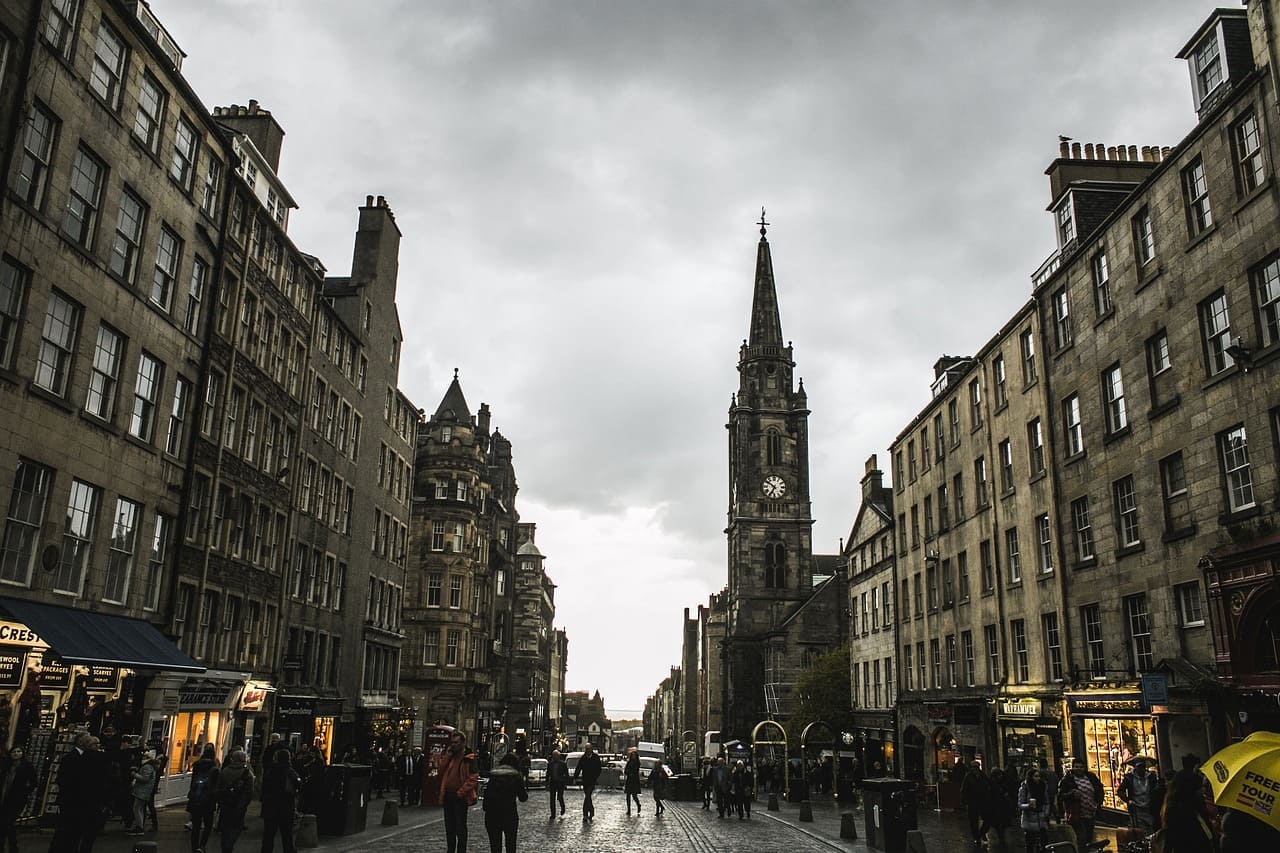
Edinburgh is built on extinct volcanoes and ridges, with a castle on a rock at its heart, a medieval Old Town running down the Royal Mile and an elegant Georgian New Town laid out in a grid to the north. The two halves together form a UNESCO World Heritage Site. This Edinburgh travel guide explains how to explore both, which hills to climb, how the August festivals change the city and how to plan three or four days around the weather.
Edinburgh has been Scotland's capital since the fifteenth century and was a centre of the eighteenth-century Scottish Enlightenment, when thinkers such as David Hume and Adam Smith worked here. Since 1999 it has again been home to a Scottish Parliament, housed in a striking modern building at the foot of the Royal Mile.
The city is compact but hilly, with steep closes, stairs and changes of level. Forever Edinburgh, the official visitor site, lists events, exhibitions and seasonal highlights, from the summer festivals to Hogmanay at New Year. Many of the Old Town's closes, the narrow alleys running off the Royal Mile, are named after merchants or trades and reward a slow detour.
Where to stay in Edinburgh
The Old Town puts the castle, the Royal Mile and the closes right outside your door, ideal for a short break, though some streets are noisy late at night. The New Town, north of Princes Street Gardens, has Georgian townhouses, smart shops and many restaurants, and is flatter and calmer.
Stockbridge, a former village on the Water of Leith, has a Sunday market, independent shops and a relaxed atmosphere about fifteen minutes' walk from the centre. Leith, the old port, has excellent seafood restaurants and is linked to the city by tram. Bruntsfield and Marchmont, to the south, are residential and good value.
Edinburgh is the first Scottish city with a visitor levy: since 24 July 2026, a 5% charge applies to the first five nights of most paid overnight accommodation. Check that it is included in your quote. During August, prices rise sharply and rooms sell out months ahead. The city-cost tool helps compare a central hotel with a Leith option, and the packing planner is a reminder to bring layers and waterproofs in any season.
The Old Town: Edinburgh Castle and the Royal Mile
Edinburgh Castle sits on Castle Rock, a volcanic plug that has been fortified for well over a thousand years. Inside, visit St Margaret's Chapel, the city's oldest surviving building, the Honours of Scotland, the Scottish crown jewels, and the Stone of Destiny. The One O'Clock Gun is fired daily except on Sundays and certain holidays. Book a timed ticket to skip the queue.
The Royal Mile runs from the castle down to the Palace of Holyroodhouse, the monarch's official residence in Scotland. Along the way, St Giles' Cathedral, the Writers' Museum and the narrow closes leading off the main street reveal the Old Town's crowded medieval layout. Some guided tours explore underground vaults and the buried street of Mary King's Close.
The National Museum of Scotland, on Chambers Street, is free and covers Scottish history, natural science and world cultures; its rooftop terrace offers a view of the castle. Greyfriars Kirkyard, nearby, is known for its historic graves and the story of Greyfriars Bobby, a loyal terrier.
The New Town, galleries and Dean Village
The New Town was planned in the second half of the eighteenth century by James Craig, with wide streets, squares and gardens. Charlotte Square and George Street show its elegant symmetry, and the Georgian House on Charlotte Square recreates the life of a wealthy family of the period.
The Scottish National Gallery, at the foot of the Mound, holds European and Scottish art, while the Scottish National Portrait Gallery displays famous Scots in a red sandstone Gothic building. Both are free. Dean Village, a former milling village on the Water of Leith, lies just west of the New Town and is a peaceful walk.
The Water of Leith Walkway follows the river from Dean Village through Stockbridge to Leith. It is a lovely way to see a quieter side of the city, passing the Scottish National Gallery of Modern Art along the way. Allow around two hours for the full stretch to Leith.
Arthur's Seat, Calton Hill and the views
Arthur's Seat, in Holyrood Park, is an extinct volcano rising to 251 metres. Several paths lead to the summit, from gentle routes to steep scrambles; the climb takes about forty-five minutes from Holyrood Palace. The view covers the city, the Firth of Forth and the hills beyond. Wear proper shoes, as the paths can be slippery.
Calton Hill, at the end of Princes Street, is a much shorter climb with monuments including the unfinished National Monument, modelled on the Parthenon. It is a favourite spot for sunset, with views of the castle, the Old Town and Arthur's Seat.
Princes Street Gardens, in the valley between the Old and New Towns, offer the classic view of the castle above the city. In winter they host the Christmas market and the Hogmanay celebrations. The Scott Monument, a Gothic spire at the eastern end built in memory of Sir Walter Scott, can be climbed for a closer view of the castle.
Getting around Edinburgh
Most sights are within walking distance, though the hills and stairs mean comfortable shoes are essential. Lothian Buses run an extensive network, and the tram links Edinburgh Airport with the city centre, continuing to Leith and Newhaven. Contactless payment is accepted on buses and trams, with daily fare caps.
Edinburgh Waverley is the main railway station, with trains to Glasgow in under an hour and to London in about four and a half hours. Day trips to Stirling, St Andrews and the Highlands are popular, but the Highlands deserve more than a day if possible.
Taxis and ride-hailing are available but rarely necessary in the centre. Lothian Buses publishes routes, fares and the tram timetable. Black cabs can be hailed in the street or found at ranks such as the one at Waverley station; cycling is possible, but the hills and cobbles make it hard work.
What to eat and drink in Edinburgh
Haggis, a savoury pudding of sheep's offal, oats and spices, served with neeps and tatties, turnip and potato, is the national dish; vegetarian versions are common. Cullen skink, a smoked haddock soup, and Scottish salmon are other classics. Cranachan, a dessert of cream, oats, honey, whisky and raspberries, is a traditional treat.
Whisky is everywhere, with specialist bars in the Old Town and tours explaining production regions. Leith's waterfront has some of the city's best seafood and fine-dining restaurants. Traditional pubs in the Old Town and New Town serve hearty food and often live folk music.
Many restaurants add a service charge for larger groups; otherwise, ten percent is a typical tip for good service. Book ahead during festival season, when the city's population effectively doubles. Pub lunches are good value, and many cafés close by late afternoon.
A three- or four-day Edinburgh itinerary
| Day | Area | Main focus |
|---|---|---|
| 1 | Old Town | Edinburgh Castle, the Royal Mile, St Giles' |
| 2 | Holyrood and Arthur's Seat | Palace of Holyroodhouse, the climb, Scottish Parliament |
| 3 | New Town and galleries | National Gallery, Dean Village, Stockbridge |
| 4 | Leith or a day trip | Waterfront seafood, or Stirling and St Andrews |
Start at the castle at opening time, then walk the Royal Mile and explore its closes. Day two combines Holyrood Palace with the climb up Arthur's Seat. On day three, visit the galleries and walk through Dean Village to Stockbridge, ending at Calton Hill for sunset.
Use day four for Leith or a day trip. Many visitors combine Edinburgh with London by train; our London guide covers the capital, and our Edinburgh–Dublin comparison helps if you are choosing between two northern capitals. For more scenic walks, our walking city guide includes Edinburgh's routes.
Edinburgh budget, seasons and festivals
Edinburgh is expensive in August and around New Year, more moderate the rest of the year. Free museums and walks help balance the cost of accommodation. Summer brings long evenings, while winter is short-dayed and cold but atmospheric. Rain is possible at any time, so pack accordingly.
In August, the Edinburgh Festival Fringe, the International Festival and the Royal Edinburgh Military Tattoo fill the city with performances. Book accommodation very early. Most visitors who do not need a UK visa now need an Electronic Travel Authorisation; check with the visa tool and use the currency converter to plan in sterling.
If Edinburgh's history and hills appeal, destinations similar to Edinburgh suggests comparable cities, and the destination finder can help choose your next trip. Glasgow, under an hour away by train, adds Victorian architecture, free museums and a lively music scene, while York is a natural stop on the way south.
Frequently asked questions
How many days do you need in Edinburgh?
Three days cover the castle, the Royal Mile, Arthur's Seat and the New Town galleries. A fourth day allows Leith or a day trip to Stirling, St Andrews or the Highlands. During the August festivals, extra days help you enjoy performances.
Is it worth visiting Edinburgh in August?
Yes, if you enjoy theatre, comedy and a lively atmosphere, as the Fringe and other festivals fill the city. Expect crowds, high accommodation prices and the need to book everything early. Visit in May, June or September for a calmer experience.
How hard is the climb up Arthur's Seat?
It is a short hill walk rather than a mountain climb, taking around forty-five minutes from Holyrood. Some paths are steep and rocky, especially near the summit, and can be slippery in wet weather. Wear sturdy shoes and choose the gentler eastern route if unsure.
Links & Resources
Official sights, transport and planning
- Edinburgh Castle: Tickets and visitor information.
- National Museums Scotland: The free National Museum of Scotland.
- Palace of Holyroodhouse: Opening times and tickets.
- National Galleries of Scotland: Free art collections.
- UNESCO — Old and New Towns of Edinburgh: Heritage background.
- Edinburgh Festival Fringe: August programme and tickets.
- Edinburgh Airport: Transfers by tram and bus.
- UK government — Electronic Travel Authorisation: Entry requirements.
On GuesTheCity
- Explore the city map: See how the Old and New Towns face each other.
- Play Guess the City: Recognise Edinburgh Castle and Calton Hill.