6 Northern-Lights Bases: Timing, Weather and a Realistic Trip
A northern-lights trip succeeds through a combination of location, darkness, cloud conditions and realistic expectations. A famous winter city can be a useful base, but the aurora does not follow a tour operator's timetable. These six bases offer different travel experiences across Iceland, northern Europe and North America, with daylight activities and sensible transport as important as the night spent looking upwards.
Choose a place where you would enjoy several days even if the sky stays cloudy. The winter-sun guide offers the opposite seasonal interest, while the carry-on packing guide helps organise luggage choices. Here, the goal is a well-planned chance to observe a natural phenomenon, with forecasts understood as changing information rather than a guarantee that one booked evening will produce a display.
Nordic bases with city services and different onward journeys
1. Reykjavík: an Icelandic city base with flexible outings
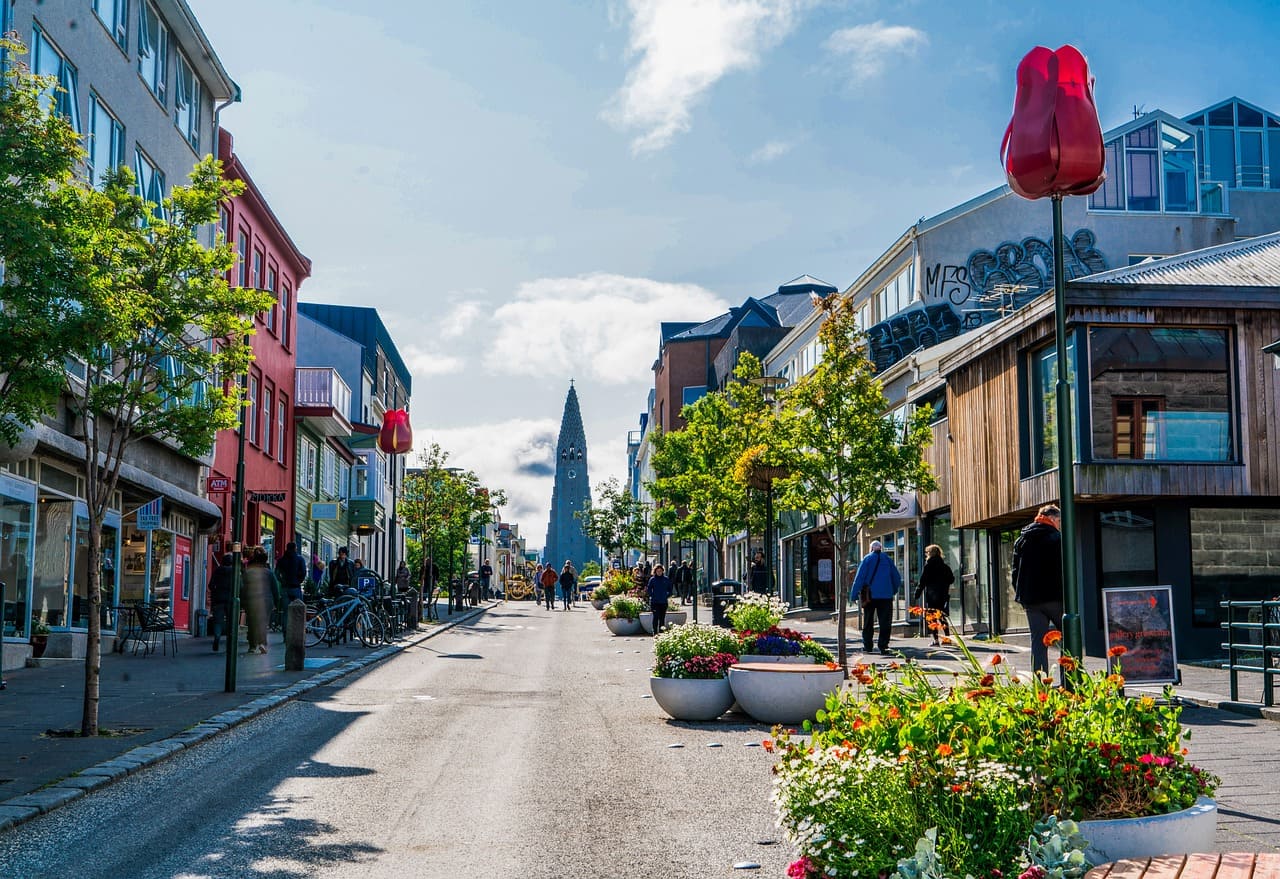
Reykjavík, at approx. 64.1° north, provides accommodation, museums and public swimming as useful daytime interests. A guided outing can leave the brighter centre for a darker location selected according to cloud and road conditions. The city's latitude does not make every central hotel balcony an equally useful observing point. Choose the tour for its transport, clothing arrangements and cancellation format rather than a promise that every departure sees the same display.
Three or four nights allow more than one possible evening while keeping the city worthwhile during cloud. Coastal wind and changing conditions can affect the outing, and a hot-spring image from elsewhere in Iceland is not evidence that every location is nearby or appropriate on the day. The Visit Reykjavík website supplies city context. Use current Icelandic local conditions for any wider itinerary, especially around areas affected by volcanic activity rather than treating the country as one uniform winter touring zone.
2. Tromsø: a high-latitude base with a regional landscape
Tromsø, at approx. 69.6° north, is a useful northern Norwegian base with museums and a substantial winter visitor infrastructure. A local outing may travel towards a clearer area rather than the same fixed scenic stop every night. That makes the operator's route planning and practical support more important than a photograph of one cabin. The city and the surrounding region have different weather and road conditions, which should remain visible in the booking rather than hidden behind the phrase northern-lights chase.
Oslo can be an onward-journey reference through the Norwegian capital's city page, but it is not an equivalent substitute base for this aurora-focused trip. Allow separate connection time and avoid assigning a demanding late tour to a tiring arrival day. A three-night example can include one planned outing, a flexible second opportunity and a daylight cultural session. It still provides no guaranteed sighting, and a cancelled departure can be an appropriate response to unsuitable local conditions.
3. Rovaniemi: Finnish Lapland with daylight activities
Rovaniemi sits near 66.5° north, close to the Arctic Circle, and offers a Finnish Lapland base with museums, winter activities and accommodation in varied settings. The Arctic Circle is a geographical reference, not a visible boundary where the aurora switches on. A dark site away from strong local lighting and an appropriate cloud forecast remain important. Choose a practical evening format with suitable transport and clothing rather than assuming that any glass-roofed room provides an unobstructed, clear-sky display throughout the stay.
The Helsinki city page can help with a separate capital stop before or after Lapland, with the long-distance journey planned explicitly. The Finnish Meteorological Institute explains that auroras can occur outside midwinter, and that light summer nights make them difficult to see. A late-winter or early-spring stay can offer a different daylight balance from the darkest period. Pick the time for the whole holiday, including the activities and conditions you want during the day.
Swedish Lapland with a different scale of base
4. Abisko: a small place needs complete transport planning
Abisko, at approx. 68.4° north, offers a northern Swedish setting with mountain landscape and a much smaller service base than a large city. It can appeal to travellers who want nature and a deliberately arranged stay rather than a broad urban nightlife programme. Accommodation, food, rail or road arrival and the final connection all need to fit together. A scenic station name is not a complete transfer plan, especially when an arrival occurs after dark or in difficult winter conditions.
Stockholm, linked through its city overview, belongs to a separate part of the journey rather than a nearby alternative viewing district. Compare the whole connection before reserving a brief northern stay. Daytime walks or other activities should match local guidance and personal experience; the desire for a darker photo location is not a reason to enter unfamiliar terrain at night. A hosted observing activity can be useful when it provides the practical support and local knowledge that the traveller actually needs.
North American bases with their own seasonal calendars
5. Fairbanks: Alaska with more than a single night outside
Fairbanks, at approx. 64.8° north, is a well-established Alaskan base for aurora-oriented travel. The local visitor information describes a season extending broadly from late August into April, when dark nights return. That is a seasonal window rather than a daily forecast. Choose accommodation and transport with the viewing activity in mind, and leave time for a museum or another local interest in daylight so the visit is not reduced to waiting beside a window every evening.
Remote lodges and hot-spring outings involve different locations from a Fairbanks city hotel. Identify the route, meals, clothing and return arrangement before comparing prices. A three- or four-night stay can provide several possible evenings without making an invented statistical promise about success. The local sky may be clear while activity is weak, or activity may be strong behind cloud. Both situations are part of a natural-phenomenon trip, and a good itinerary remains worthwhile without requiring every evening to become an extended journey.
6. Yellowknife: a northern Canadian city and a separate viewing site
Yellowknife, at approx. 62.5° north, supplies a city base in Canada's Northwest Territories with a strong aurora-travel interest. The magnetic setting is important, which helps explain why the most northerly place on a list is not automatically the only good choice. City accommodation and an organised darker viewing site can create a practical combination. A remote cabin, a camp activity and a city hotel are different products, with transport and facilities that should be read separately.
Choose the local seasonal calendar and actual programme, including daylight interests around the city and its Old Town. Late-summer darkness offers another kind of stay from deep winter, while ice-related activities require their own conditions and supervision. Do not infer access to a lake or route from a previous season's photograph. The value of the base lies in the complete visit and well-chosen observing opportunities, with weather and activity followed as live information rather than a guarantee printed into the booking.
Read space weather and ordinary weather separately
The NOAA aurora viewing guidance explains the need for darkness, distance from strong lights and a useful view of the sky. It highlights the hours around local midnight as a common active period, without making them the only possible time. A geomagnetic indicator describes activity on a different scale from a local cloud forecast. A high reading does not remove cloud, and a lower reading does not prove that no aurora can be visible beneath the oval.
The Finnish Meteorological Institute's northern-lights explanation adds regional seasonal and timing context. Use forecasts close to the actual outing rather than trying to buy a particular display months ahead. The timezone tool keeps local times clear, while the best-time planner helps compare broad travel seasons. A daylight museum, a meal and a short city walk can still belong to a successful day even when the evening forecast discourages an outing.
Plan several opportunities and a comfortable return
An illustrative four-night Reykjavík stay could reserve the first suitable evening for an organised outing, keep another night flexible and use daylight for the city. The budget tool should include the activity, transport and any clothing rental separately from accommodation. Read cancellation and repeat-departure terms for what they actually offer: another attempt is not a guaranteed display. The packing tool can organise layers, warm footwear and practical protection for waiting outdoors, with the provider explaining any specialist equipment needed.
Frequently asked questions
Does travelling farther north guarantee better northern lights?
The auroral oval is organised around Earth's magnetic environment, so geographical latitude alone is not a complete guide. Darkness, local cloud and activity also affect visibility. Choose a suitable base with a worthwhile daytime stay rather than assuming the most northerly available hotel guarantees a stronger display.
Is midwinter the only useful season?
Darkness is essential, but several northern destinations offer opportunities from late summer into spring. Finnish meteorological guidance also identifies spring and autumn as useful periods. The local seasonal window and daylight experience should shape the choice, with summer's bright nights making observation difficult even when auroral activity occurs.
Can a tour guarantee a sighting or a refund?
The lights are a natural phenomenon, so a provider cannot control visibility. Cancellation, repeat-tour and refund terms depend on the specific booking and should be read before purchase. An additional departure may provide another opportunity, but it remains subject to weather, activity and the conditions stated by the operator.
Links & Resources
Official tourism and planning sources
- Visit Tromsø: Find Tromsø activities, practical arrival information and northern-lights experiences.
- Visit Rovaniemi: Explore Rovaniemi seasonal activities and practical planning for a Lapland stay.
- Swedish Lapland: Read about northern Swedish destinations and the region around Abisko.
- Explore Fairbanks: Find Fairbanks’s aurora-season calendar and other local visitor activities.
- Northwest Territories tourism: Explore Yellowknife and the territory’s seasonal aurora-travel information.
- Icelandic Meteorological Office: Read Icelandic weather information before choosing a suitable observing evening.
- NOAA short-range aurora forecast: View the changing auroral oval without treating it as a local cloud forecast.
- Finnish Meteorological Institute: space weather: Read current geomagnetic information and explanations of auroral conditions.