Bangkok Travel Guide: Sights, Neighbourhoods & Tips for 2026
Bangkok is a city of gilded temples, a busy working river, vast markets and some of the world's best street food, spread across a sprawling metropolis of more than ten million people. Traffic is notorious, so the key to enjoying it is to group sights by area and use the river, the Skytrain and the metro rather than roads. This Bangkok travel guide covers where to stay, how to visit the temples respectfully, how to get around and what to eat over four days.
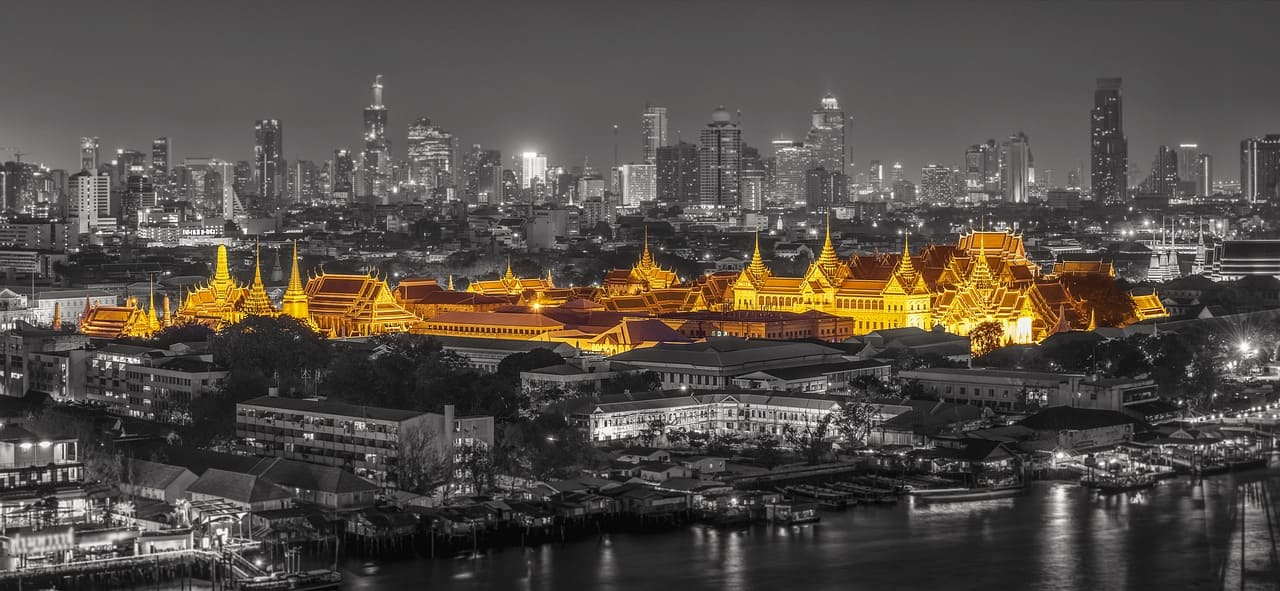
Bangkok became the Thai capital in 1782, when King Rama I built the Grand Palace on Rattanakosin Island beside the Chao Phraya River. The old royal city still holds the most important temples, while the modern centre around Siam and Sukhumvit is a world of malls, rooftop bars and elevated railways.
Before travelling, read current conditions. As of October 2026, UK government advice reports flooding affecting parts of Bangkok and restrictions near the Thailand–Cambodia border. Check the latest guidance and local news close to departure. The Tourism Authority of Thailand covers festivals, attractions and practical information.
Where to stay in Bangkok
The riverside hotels near Saphan Taksin and the Chao Phraya Express Boat piers give easy boat access to the old city and are among Bangkok's most atmospheric places to stay. Silom and Sathorn, the business district, have good BTS and MRT connections, Lumphini Park and a wide range of hotels and restaurants.
Sukhumvit is the most popular area for visitors, with nightlife, malls and international food along the BTS line. Choose a hotel within walking distance of a station, because a short taxi ride in rush hour can take a long time. Banglamphu, near Khao San Road, is cheapest and closest to the Grand Palace but far from the rail network.
Air conditioning, a pool and a quiet room help in the heat. Check whether the price includes service charge and VAT. Comparing a riverside stay with a Sukhumvit hotel in the city-cost tool shows the trade-off between atmosphere and convenience.
The Grand Palace and the old city temples
The Grand Palace complex includes Wat Phra Kaew, the Temple of the Emerald Buddha, the most sacred temple in Thailand. Dress code is strictly enforced: shoulders and knees must be covered, and loose trousers or a long skirt are required. Arrive at opening time to avoid the heat and the tour groups, and allow two to three hours.
Wat Pho, a short walk south, houses the 46-metre Reclining Buddha and a famous traditional massage school. Across the river, Wat Arun, the Temple of Dawn, rises above the water with porcelain-decorated towers; reach it by the cross-river ferry from Tha Tien pier.
Be wary of anyone near the palace who claims it is closed and offers an alternative tour; this is a well-known scam. Check opening times on the official site instead. Remove shoes before entering temple buildings, do not point your feet at Buddha images and treat monks with respect.
Markets, Chinatown and the river
Chinatown, centred on Yaowarat Road, comes alive at night with seafood stalls, noodle shops and dessert vendors. By day, the narrow lanes of Sampeng sell everything imaginable. Wat Traimit, at the western end, holds a solid-gold Buddha weighing about five and a half tonnes.
Chatuchak Weekend Market is one of the largest markets in the world, with thousands of stalls selling clothes, crafts, plants and food. Go early on Saturday or Sunday before the heat peaks. Floating markets outside the city are popular but often aimed at tourists; consider whether the long drive suits your interests.
The Chao Phraya Express Boat is both transport and sightseeing, linking the riverside hotels with the old city. The orange-flag boats stop at most piers for a flat fare. Evening river cruises are another way to see the illuminated temples.
Getting around Bangkok
The BTS Skytrain and the MRT underground cover the modern centre and avoid traffic. The two systems are run separately: the MRT accepts contactless bank cards at its gates, while the BTS has its own Rabbit stored-value card and single tickets, so check which one you are entering. The Airport Rail Link connects Suvarnabhumi Airport with Phaya Thai, which links to the BTS.
Don Mueang Airport, used by many budget airlines, is connected to the city by the SRT Red Line and buses. Taxis should use the meter; ride-hailing apps are widely used and give a price upfront. Tuk-tuks are fun for short rides but agree the fare first.
Before arrival, foreign visitors must complete the Thailand Digital Arrival Card online; it is free on the official immigration site. BTS Skytrain publishes its routes and fares. Fill it in during the three days before you land, using the same passport details as your booking, and keep a screenshot of the confirmation in case it is requested.
What to eat in Bangkok
Bangkok's street food ranges from pad kra pao, stir-fried basil with meat and a fried egg, to boat noodles, khao man gai, chicken rice, and som tam, green papaya salad. Pad thai is famous but is only one small part of the menu. Mango sticky rice is the classic dessert.
Look for busy stalls with a high turnover, and be cautious with ice and raw dishes if you have a sensitive stomach. Food courts in malls such as those around Siam offer clean, air-conditioned options. Our Bangkok restaurant guide lists further ideas.
Tipping is not expected at street stalls, but leaving small change in restaurants is appreciated. Many places add a service charge. Drink bottled or filtered water rather than tap water. In sit-down restaurants without a service charge, rounding up or leaving around ten percent for good service is appreciated rather than required.
Evenings in Bangkok: night markets, massage and Muay Thai
Bangkok comes alive after dark, when the heat eases and the night markets open. Asiatique The Riverfront, reached by free shuttle boat from Saphan Taksin pier, combines shops, food stalls and a Ferris wheel, while smaller neighbourhood markets set up along side streets across the city. Go hungry, carry small notes and share several dishes from different stalls rather than ordering one large meal.
Traditional Thai massage is widely available and inexpensive, from simple shopfronts to hotel spas. Wat Pho's school is the best-known place to learn about the technique, and many visitors book a session there after seeing the Reclining Buddha. Choose a clean, licensed establishment and say clearly if you prefer gentle pressure.
Rooftop bars on the upper floors of hotels in Silom, Sathorn and along the river look over the skyline, usually with dress codes that exclude shorts and flip-flops. For a quieter night, a dinner cruise on the Chao Phraya passes the illuminated Wat Arun and the Grand Palace. Muay Thai fans can watch bouts at Rajadamnern Stadium, the city's oldest venue for the sport.
A four-day Bangkok itinerary
| Day | Area | Main focus |
|---|---|---|
| 1 | Rattanakosin (old city) | Grand Palace, Wat Pho, Wat Arun |
| 2 | Chinatown and the river | Wat Traimit, Sampeng lanes, Yaowarat street food |
| 3 | Modern centre | Jim Thompson House, Siam, Lumphini Park |
| 4 | Chatuchak or a day trip | Weekend market, or Ayutthaya |
Begin at the Grand Palace at opening time, then Wat Pho and the ferry to Wat Arun. Day two explores Chinatown by day and returns in the evening for street food. On day three, visit the Jim Thompson House, a teak home and silk museum, then the malls of Siam and a late walk in Lumphini Park.
Day four suits Chatuchak at the weekend or a trip to Ayutthaya, the former capital and a UNESCO World Heritage Site, reached by train or road. If you are choosing between two hubs, our Bangkok–Singapore comparison helps decide, and our Southeast Asia first-timer's guide covers onward routes.
Bangkok budget, seasons and practical tips
Bangkok offers excellent value, especially for food, transport and massages. Luxury hotels are cheaper than in most global cities. The cool season from November to February is the most comfortable; March to May is very hot, and the rainy season from June to October brings heavy afternoon showers and possible flooding.
Lèse-majesté laws protecting the monarchy are strict, so avoid any disrespectful comments or behaviour. E-cigarettes are illegal. Use the visa tool to check entry rules for your nationality, and the currency converter to plan in baht. The royal anthem is played in cinemas before films, and visitors are expected to stand quietly.
If Bangkok's food and temples appeal, destinations similar to Bangkok suggests comparable cities, and the destination finder can help plan the next trip. For a similar mix of street food, temples and river life, Ho Chi Minh City and Kuala Lumpur are short flights away, while Chiang Mai shows a slower, cooler side of Thailand.
Frequently asked questions
How many days do you need in Bangkok?
Four days cover the old city temples, Chinatown, the modern centre and either Chatuchak or Ayutthaya. Two or three days work for a stopover if you focus on the temples and one market. Many travellers return to Bangkok between other parts of Thailand.
What should I wear to the Grand Palace?
Cover your shoulders and knees, avoid see-through clothing and wear shoes that are easy to remove. Long trousers or a long skirt are required. Clothing can sometimes be borrowed or bought near the entrance, but it is easier to arrive dressed appropriately.
Is Bangkok affected by flooding?
The rainy season can bring flooding, and as of October 2026 current UK advice reports flooding affecting parts of Bangkok. Conditions change quickly, so check official advice and local news before and during your trip, and allow flexibility in your plans.
Links & Resources
Official sights, transport and planning
- The Grand Palace: Opening times and dress code.
- Wat Pho: Temple visits and the massage school.
- Jim Thompson House: Museum tours and opening hours.
- UNESCO — Historic City of Ayutthaya: Background for a day trip.
- Thailand Digital Arrival Card: The official free arrival form.
- Thai e-Visa: Official visa applications.
- Chao Phraya Express Boat: River routes and piers.
- UK government — Thailand travel advice: Current flooding and border information.
On GuesTheCity
- Explore the city map: Place the old city, the river and Sukhumvit.
- Play Guess the City: Recognise Bangkok's temples.