Budapest Travel Guide: Sights, Neighbourhoods & Tips for 2026
Budapest is two cities joined by the Danube: hilly Buda on the west bank, with its castle and quiet residential streets, and flat Pest on the east, home to Parliament, grand boulevards and most of the nightlife. They were formally united, together with Óbuda, in 1873. This Budapest travel guide explains how to divide your days between the two banks, which thermal baths to choose and how to eat and travel well on a moderate budget.
The city sits on natural hot springs, and bathing has been part of daily life here since Roman times. Ottoman-era baths from the sixteenth century sit alongside the grand Art Nouveau and neo-Baroque bathhouses of the early twentieth century. A soak is not an optional extra; for many visitors it becomes the highlight of the trip.
The banks of the Danube, the Buda Castle Quarter and Andrássy Avenue are listed together as a UNESCO World Heritage Site. Budapest's official visitor portal covers current events, from the summer Sziget festival to the Christmas markets on Vörösmarty Square and in front of St Stephen's Basilica.
Where to stay in Budapest: Pest, Buda or the Jewish Quarter
District V, Belváros-Lipótváros, is the heart of Pest. It holds Parliament, St Stephen's Basilica and the riverside promenade, and puts most sights within walking distance. District VII, the old Jewish Quarter, is livelier and cheaper, with the Dohány Street Synagogue, ruin bars and many restaurants; light sleepers should ask for a room facing a courtyard.
Staying in Buda, close to the river around Batthyány tér or near the Gellért Baths, gives a calmer evening and lovely views across to Parliament. The trade-off is a slightly longer journey to Pest's restaurants, although the M2 metro line and trams make it easy. District VI, around Andrássy Avenue and the Opera, is a good compromise with elegant buildings and the M1 line.
Budapest's city tax is a percentage of the room price and is usually added to the bill. Apartment rentals are common; check how you will collect keys if you arrive late. Running two shortlisted areas through the city-cost tool makes the price gap between Pest and Buda easier to see.
Buda: the castle quarter and the best viewpoints
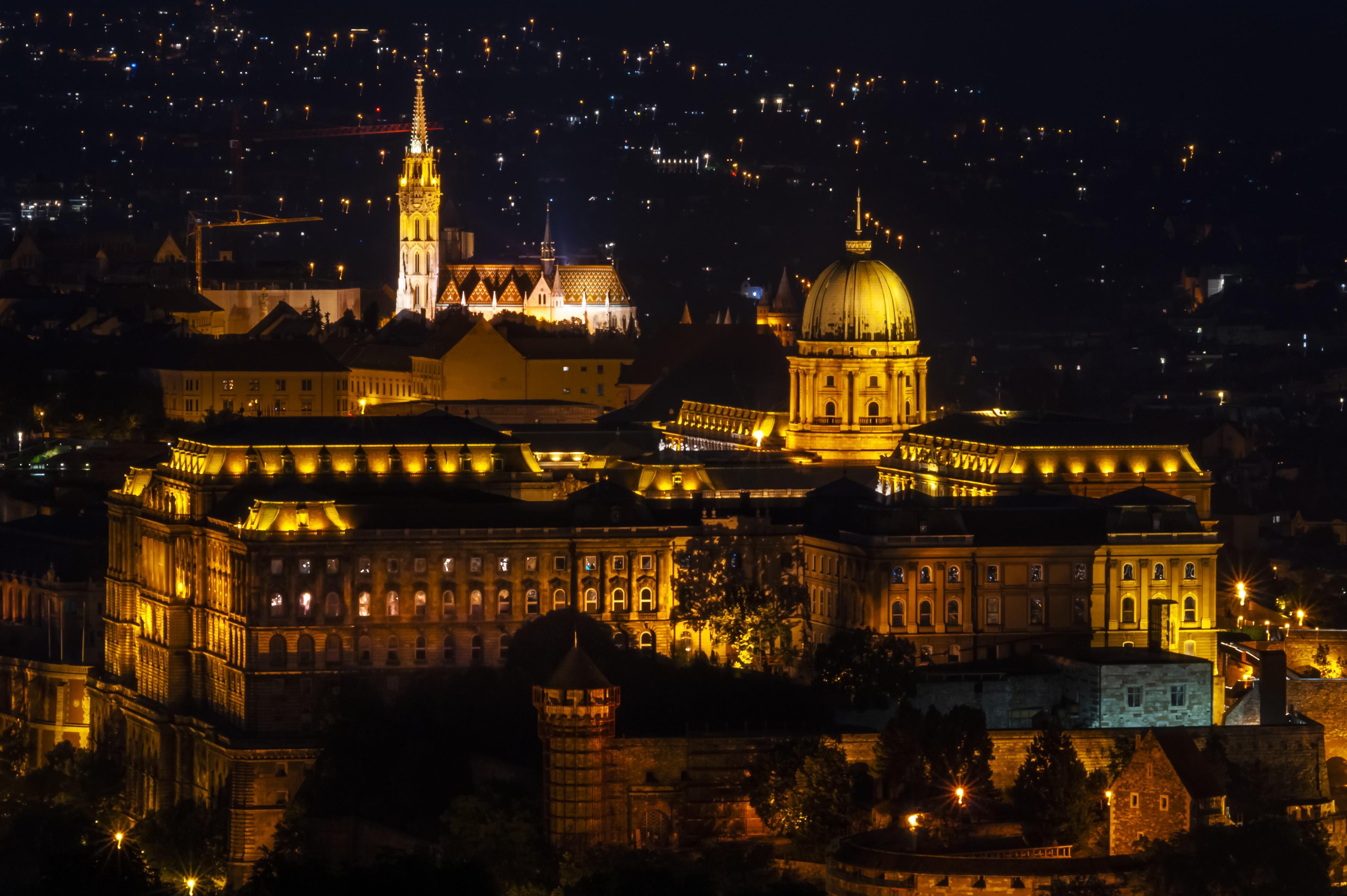
The Buda Castle Quarter rises above the river on a long limestone plateau. Buda Castle, rebuilt many times after sieges and wars, now houses the Hungarian National Gallery and the Budapest History Museum. Nearby, Matthias Church, with its patterned roof tiles, and the Fishermen's Bastion, built at the turn of the twentieth century, frame the most photographed view of Parliament.
The lower terraces of the Fishermen's Bastion are free to walk; only the upper turrets charge in high season. Reach the castle by the Sikló funicular from Clark Ádám tér, by bus 16 or simply on foot along the paths from the Chain Bridge. Walking down through the quiet streets of the Water Town, Víziváros, is a pleasant way to return.
Gellért Hill, to the south, offers the widest panorama. The Liberty Statue and the Citadella stand on the summit, reached by a steep but short climb from the Elisabeth Bridge. Sunset here, with the bridges lighting up below, is worth the effort.
Pest: Parliament, the basilica and Andrássy Avenue
The Hungarian Parliament Building, completed in 1904, is one of the largest parliament buildings in the world and the city's defining landmark. Guided tours show the grand staircase, the assembly chamber and the Holy Crown of Hungary. Tours often sell out, so book a timed slot in advance and bring identification.
St Stephen's Basilica, finished in 1905, has a dome you can climb for a view over Pest. Andrássy Avenue leads from the city centre to Heroes' Square, passing the Hungarian State Opera and the House of Terror, a museum on the fascist and communist regimes housed in their former secret police headquarters. Beneath the avenue runs the M1 metro, opened in 1896 as continental Europe's first underground railway.
Along the Danube Promenade, the Shoes on the Danube Bank memorial commemorates Jews shot into the river in 1944–45. Visit it quietly; it is a place of remembrance rather than a photo backdrop. The Dohány Street Synagogue, the largest in Europe, has a museum and memorial garden worth an unhurried visit.
Thermal baths: choosing the right one
Széchenyi Bath in City Park is the largest and most famous, with bright yellow buildings, outdoor pools that steam in winter and many indoor thermal pools. It is busy, especially at weekends, so arrive in the morning. Gellért Bath, in an Art Nouveau building on the Buda side, is more ornate and intimate; check its status before visiting, as parts of the complex have undergone renovation.
Rudas Bath, under Gellért Hill, has a sixteenth-century Ottoman pool beneath an octagonal dome and a rooftop pool with river views. It operates some single-sex days for its historic section, so read the schedule. Bring a towel and flip-flops, or rent them on site, and allow at least two or three hours.
Book through the baths' own websites rather than resellers offering skip-the-line tickets at a premium. Drink water, avoid long stays in the hottest pools and take breaks; the mineral water is warm and relaxing but can be tiring. Széchenyi Bath's official site lists opening hours and prices.
Getting around Budapest
BKK runs the metro, trams, buses and suburban trains. Single tickets must be validated before boarding, and inspectors do check; travel cards for 24 hours, 72 hours or a week are usually better value. Trams 2 and 2B along the Pest riverbank and tram 19 on the Buda side are scenic routes for the price of a normal ticket.
From Budapest Ferenc Liszt International Airport, bus 100E runs directly to the city centre and requires its own ticket. Taxis should be booked through official ranks or apps rather than taken from unofficial drivers. BKK's website includes a journey planner and the current fare table.
The centre is easy to explore on foot, and the bridges are pleasant to walk. Public boats along the Danube, run as part of the city network on some routes, offer a cheap river view. Margaret Island, in the middle of the Danube between the Margaret and Árpád bridges, is a car-free park with a running track, gardens and a summer swimming complex.
What to eat in Budapest
Gulyás is a hearty soup rather than a thick stew, flavoured with paprika and often served with bread. Try also chicken paprikash with nokedli dumplings, lángos, deep-fried dough topped with sour cream and cheese, and kürtőskalács, a chimney-shaped sweet bread. Hungarian wines from Tokaj, Eger and Villány deserve a tasting.
The Great Market Hall at Fővám tér, opened in 1897, sells paprika, salami and pastries downstairs and has food stalls upstairs. Weekday mornings are calmer than Saturday. Look for étkezde, small lunch canteens offering home-style daily menus at low prices.
The ruin bars of District VII, set in abandoned buildings and courtyards, began in the early 2000s. Szimpla Kert is the best known; go early in the evening to see its quirky decor before it gets crowded. A service charge is often included in restaurant bills, so check before adding a tip.
A three- or four-day Budapest itinerary
| Day | Area | Main focus |
|---|---|---|
| 1 | Pest riverside and District V | Parliament tour, St Stephen's Basilica, the Danube Promenade |
| 2 | Buda | Castle Quarter, Fishermen's Bastion, Gellért Hill at sunset |
| 3 | Andrássy Avenue and City Park | House of Terror, Heroes' Square, Széchenyi Bath |
| 4 | Jewish Quarter and the market | Dohány Street Synagogue, Great Market Hall, ruin bars |
Book the Parliament tour for the morning of day one and spend the afternoon along the river. Day two belongs to Buda, ending on Gellért Hill. On day three, walk or ride the M1 along Andrássy Avenue to City Park and finish with a long soak at Széchenyi.
The fourth day can cover the Jewish Quarter and the market hall, or a Danube Bend trip to Szentendre. If you are combining capitals, our three-capital comparison explains the differences, and our Vienna guide covers the city a short train ride upstream.
Budapest budget, seasons and practical tips
Budapest offers good value compared with Vienna or Prague, particularly for food and transport. Bath tickets and Parliament tours are the main paid sights. Summer is hot and busy; winter is cold, but the outdoor thermal pools are magical in the snow. Spring and early autumn combine pleasant weather with fewer crowds.
Hungary uses the forint rather than the euro. Paying in forints by card is usually cheaper than accepting a conversion into your home currency at the terminal; the currency converter helps you judge prices. Hungary is a Schengen member, so non-EU visitors pass through the EU Entry/Exit System; check your rules with the visa tool.
If Budapest's baths and river views appeal, destinations similar to Budapest suggests other cities with a comparable character, and the destination finder can help you plan the next trip. Vienna is under three hours away by direct train, and Bratislava is a similar distance up the Danube.
Frequently asked questions
How many days are enough for Budapest?
Three days cover Pest, Buda and a thermal bath at a comfortable pace. A fourth day adds the Jewish Quarter, the Great Market Hall or a trip along the Danube Bend. A weekend can work if you focus on the river and one bath.
Which Budapest thermal bath is best for first-timers?
Széchenyi is the easiest introduction, with large outdoor pools and many facilities. Rudas suits travellers who want historic Ottoman architecture and a rooftop view. Gellért is the most ornate, so check its current status before you plan around it.
Do I need forints in Budapest?
Cards are accepted almost everywhere, including on public transport machines. A small amount of cash helps at market stalls and in some small bars. Avoid exchange booths with poor rates, and pay in forints rather than accepting a currency conversion at card terminals.
Links & Resources
Official sights, transport and planning
- UNESCO — Budapest: The Danube banks, Castle Quarter and Andrássy Avenue.
- Hungarian National Museum: History collections in Pest.
- Hungarian Parliament: Visitor tours of the Parliament Building.
- House of Terror: Museum of the fascist and communist regimes.
- Budapest Airport: Arrivals and the 100E bus.
- MÁV — Hungarian Railways: Trains to Vienna and the Danube Bend.
- UK government — Hungary travel advice: Entry and safety guidance.
- Budapest History Museum: Buda Castle and the city's past.
On GuesTheCity
- Explore the city map: See how Buda and Pest face each other across the river.
- Play Guess the City: Spot Parliament and the Chain Bridge.