How to Experience a City Like a Local, Without Pretending
Experiencing a city like a local is less about finding a secret doorway than understanding how an ordinary day works. Madrid's markets, Tokyo's counter meals and Lisbon's neighbourhood streets can reveal different routines, but they remain places where people work, shop and live. A visitor can learn from those routines without pretending to belong to the community or treating residents as part of an attraction.
This guide offers a respectful method: choose one neighbourhood, use public transport, understand meal formats and join activities with a genuine public invitation. You will find specific ways to slow down and notice more, along with reasons to avoid the assumption that every residential street is an undiscovered visitor route. The result is a richer city stay built from attention, context and good manners rather than a checklist of supposedly authentic experiences.
Choose a neighbourhood through its history and daily use
Begin with an area that has a reason to interest you: food shops, a craft tradition, a park, architecture or a public cultural programme. Read how the district developed and what people use it for now. In Madrid, Lavapiés and the areas around the centre offer different social and cultural contexts. Avoid describing a whole neighbourhood with one fashionable adjective that hides those differences.
In Lisbon, Alfama's narrow streets and residential buildings sit alongside visitor routes. A walk there should include attention to noise, access and the people using the same paths. In Tokyo, neighbourhood scale varies considerably, so choose an area you can explore on foot after arriving by rail. One station name is often a more workable starting point than a vague intention to see the local side of Tokyo.
Match the district to your own interests rather than searching for the least photographed street. The destination finder can narrow your priorities, while our city-break planning guide helps group activities geographically. A neighbourhood does not lose its value because other visitors know it. Understanding its present role is more useful than claiming to have discovered somewhere the residents have always known.
Use transport to understand the city's shape
Take ordinary public transport when it suits the journey and your needs. Read the route, fare and stop before boarding, and keep entrances clear while deciding what to do next. A tram, bus or metro can show how districts connect without requiring a guided spectacle. It also helps you recognise that the city contains work and residential journeys alongside the routes used by holidaymakers.
In Istanbul, a ferry journey can connect practical destinations and reveal the waterfront at the same time. Choose a route for the places you want to reach rather than assuming every boat is a sightseeing cruise. In Tokyo, identify the station exit for the neighbourhood walk so that arrival does not begin with unnecessary backtracking. Transport becomes more revealing when it is part of a coherent outing.
Do not imitate behaviour you do not understand simply to appear local. Ticket validation, queueing and accessible seating can follow rules that are not obvious from watching one passenger. Use operator information where necessary and leave space for people making routine journeys. The budget planner can help compare the transport you need, without turning every neighbourhood visit into a mission to use the cheapest possible route.
Understand markets before treating them as food halls
Markets can contain produce stalls, household shopping, prepared-food counters or a mixture of uses. Madrid's Mercado de San Miguel is a well-known visitor-facing place for prepared food, so it should not be presented as a secret glimpse of every resident's grocery routine. A municipal market such as Antón Martín offers another context to explore. Look at what is sold and how the space functions before deciding what it represents.
In Tokyo, Tsukiji Outer Market still contains shops and food businesses; the wholesale market moved to Toyosu in 2018. The GO TOKYO Tsukiji guide explains the surviving visitor area. Keep this distinction clear rather than sending someone to Tsukiji expecting the old wholesale auction. Respect queues, shop entrances and places where staff need room to work; purchasing food does not grant unrestricted access behind a counter.
Use markets for a specific task: buying picnic ingredients, trying a named dish or learning which products feature in the region. Ask before photographing a person or their working space closely. The Madrid dining pages and Tokyo restaurant guide provide another way to choose meals, so the market does not have to carry the entire promise of authenticity for your trip.
Learn meal formats instead of chasing stereotypes
Meal times, portion sizes and ordering formats affect how a restaurant visit works. In Madrid, a tapa, ración and set lunch menu are not interchangeable quantities. Read the menu and ask about a dish you do not recognise rather than assuming every order arrives as a small free snack. A late dinner can be part of the city's routine, but the actual kitchen hours depend on the venue.
Tokyo counter dining can include ramen shops, sushi counters and many other formats, each with its own ordering process. Some places use a ticket machine; others take an order directly. Observe the queue and follow staff instructions rather than copying a ritual from an unrelated restaurant. A short meal can be enjoyable on its own terms without becoming a performance about eating exactly as a resident would.
For Rome, choose a meal with specific interests such as pasta all'amatriciana or a straightforward neighbourhood lunch. The Rome restaurant pages help locate possibilities, while the Lisbon food guide provides a parallel route into Portuguese dishes. Confirm a venue's current opening times and menu prices if you are planning around a particular meal; then leave the rest of the day flexible enough to enjoy it.
Join activities where participation is invited
Look for public workshops, guided neighbourhood walks, municipal exhibitions or cultural events with clear visitor information. In Madrid, the Prado Museum gives a substantial artistic context for the city rather than a supposedly hidden alternative. A public programme can offer meaningful participation precisely because the invitation and expectations are clear. Famous institutions and everyday routines can complement each other rather than competing for authenticity.
A language class, cooking workshop or organised craft visit can make conversation easier because everyone shares a purpose. Read what is included, how large the group is and whether the activity is appropriate for your level or language. A commercial experience should be described honestly as an organised activity, not as spontaneous access to private local life. Paying for a lesson buys the stated lesson and services, not a friendship.
Our solo travel guide explains choosing social activities with defined boundaries. You can also build interest before departure through the world-tour game, using it as a light introduction to geography rather than a source of cultural expertise. Once in the city, listen more than you perform what you learned. A simple greeting and a specific polite question often provide a better beginning than a long speech about authenticity.
Respect residential streets and cultural settings
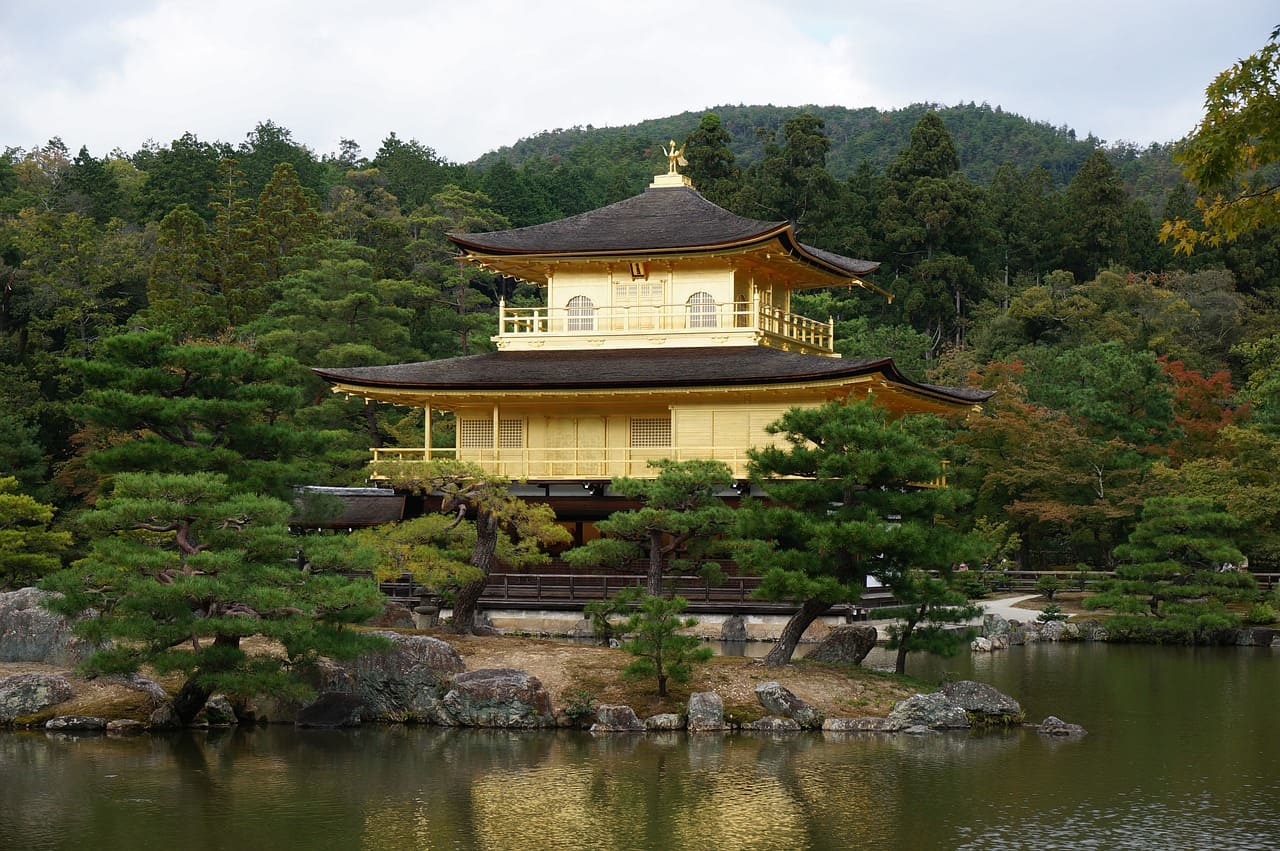
A street can be beautiful and still be someone's route to work, doorway or sleeping place. Keep noise down near homes, avoid blocking entrances and do not photograph private interiors through windows. In Kyoto, visitor pressure around culturally significant streets makes public access and private boundaries especially important. Follow signs and local instructions rather than assuming an appealing photograph justifies entering a lane or following someone.
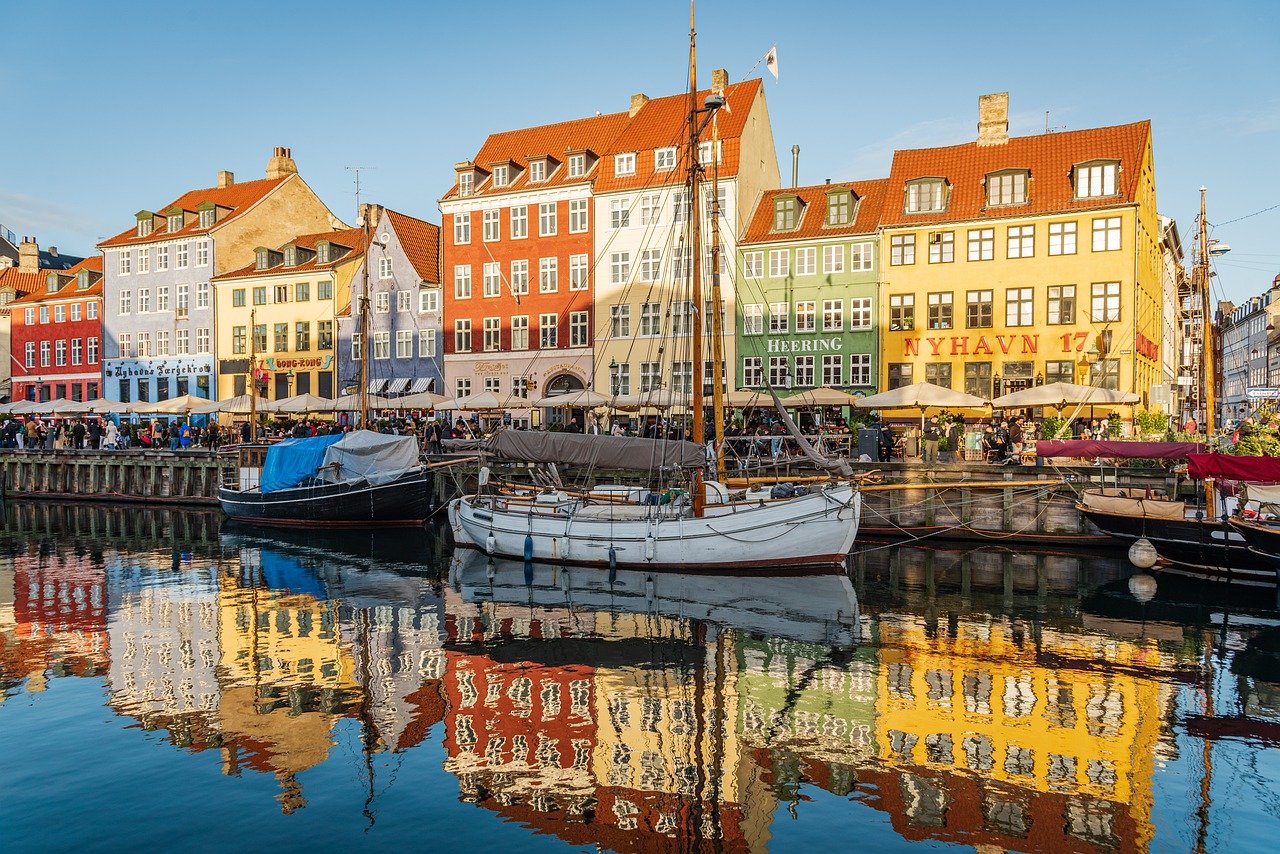
For religious and cultural sites, learn the specific access expectations: clothing, footwear, photography and where visitors may stand. Those rules concern respect and use of the place, not a test of whether you can blend in. In Amsterdam, residential canal streets also require ordinary consideration. A slower visit should reduce intrusion, not create a longer period of obstruction while you search for the perfect image.
Be thoughtful about the information you publish afterwards. A private entrance, a tiny working space or an uninvited photograph can acquire more exposure than the person concerned expects. Share public attractions and invited experiences accurately. The sustainable travel guide discusses neighbourhood impacts in the wider trip, including accommodation and spending. Respectful exploring considers both what you enjoy and the effect of how you enjoy it.
Return to a place and notice what changes
If the trip allows, revisit a street, café or public square at another time rather than adding a new district every day. Morning deliveries, lunchtime shopping and an evening stroll can show different uses of the same area. Purchase normally and remain attentive to the people working there. Familiarity from two visits can improve your understanding, but it does not turn you into a resident or confer special access.
Keep a small record of observations that you can explain: a market's opening pattern, a named dish, an architectural feature or the transport link you used. Distinguish what you saw from a general claim about everyone in the city. The currency tool can help interpret prices, though a single café bill is not evidence of the average cost of local life. Specific notes make a more useful memory than broad stereotypes.
Finish the trip with a few experiences you understand better than before: how a market works, why a district developed or what makes a dish distinctive. Use our slow-travel city guide for ideas when you want a longer stay. The strongest local-style experience is usually a considered visitor routine, with enough time to observe and enough humility to recognise how much remains beyond a short holiday.
- On the map: select a district for a clear interest, then connect its public places into one manageable route.
- At a market: identify its function, buy deliberately and keep working access clear for staff and customers.
- During an activity: follow the stated invitation and avoid turning a paid visit into a claim of private belonging.
- When sharing the trip: name public places accurately and respect people's privacy, even when a photograph would be memorable.
Frequently asked questions
Do I need to avoid famous attractions to see local life?
Famous attractions can provide important context and remain part of a considered city visit. Combine them with neighbourhood walks, markets and public activities that interest you. The distinction is how thoughtfully you visit, rather than whether another traveller already knows the name of the place or has photographed it.
Does a crowded restaurant mean it is authentic?
A crowd shows demand, but it does not by itself prove quality, ownership or cultural significance. Look at the dishes, menu format and whether the place suits the meal you want. Avoid treating residents as a certification system or assuming that every quiet restaurant lacks value simply because its queue is shorter.
How can I explore a residential neighbourhood respectfully?
Stay on public routes, keep noise modest and leave entrances and working spaces clear. Ask before close photographs of people, and do not enter private lanes or buildings because they look attractive. Choose public activities and businesses that welcome visitors instead of treating everyday residents as participants in an uninvited tour.
Links & Resources
Sources for respectful neighbourhood visits
- Madrid tourism: District history and market context for everyday exploring
- Tokyo visitor bureau: Neighbourhood walks beyond a single sightseeing cluster
- Lisbon neighbourhood information: District identities and public cultural activities
- Rome visitor board: Rioni and the distinction between food and monument days
- Amsterdam visitor information: Local conduct and residential areas around visitor routes
- Responsible Kyoto travel: Respect for residential streets and cultural settings
- Mercado de San Miguel: A named Madrid market whose visitor popularity matters
- Tokyo subway information: Neighbourhood access without inventing a local shortcut