How to Travel More Sustainably: Routes, Stays and Daily Choices
Sustainable travel is easier to approach as a set of decisions than as a perfect label for a holiday. The biggest choices often happen before departure: where you go, how you get there, how often you move and where you stay. A reusable bottle can be useful, but it cannot by itself explain the environmental impact of a long journey or repeated short flights.
This guide shows how to compare practical alternatives without claiming that every train, hotel certificate or local-looking shop solves the same problem. Copenhagen, Ljubljana and central European rail journeys provide examples of choices you can investigate. The aim is a trip with fewer avoidable journeys, considered spending and respect for the destination, while recognising that budget, access needs and available transport shape what is feasible for each traveller.
Start with the distance and frequency of the journey
Before comparing small daily changes, consider whether you can choose a closer destination, combine purposes in one journey or stay longer when travelling farther. This is a planning question rather than an instruction that everyone must travel the same way. A nearby city accessible by rail may offer the art, food or walking you wanted from a more complicated itinerary with several flights and hotel changes.
The European Environment Agency's transport overview explains how mobility affects emissions, air quality and other environmental pressures. Use that context to examine the actual travel options available. Avoid assuming that an emissions figure from one calculator is directly comparable with another using different assumptions. A transparent comparison identifies what is included rather than attaching a precise-looking number to an unspecified journey.
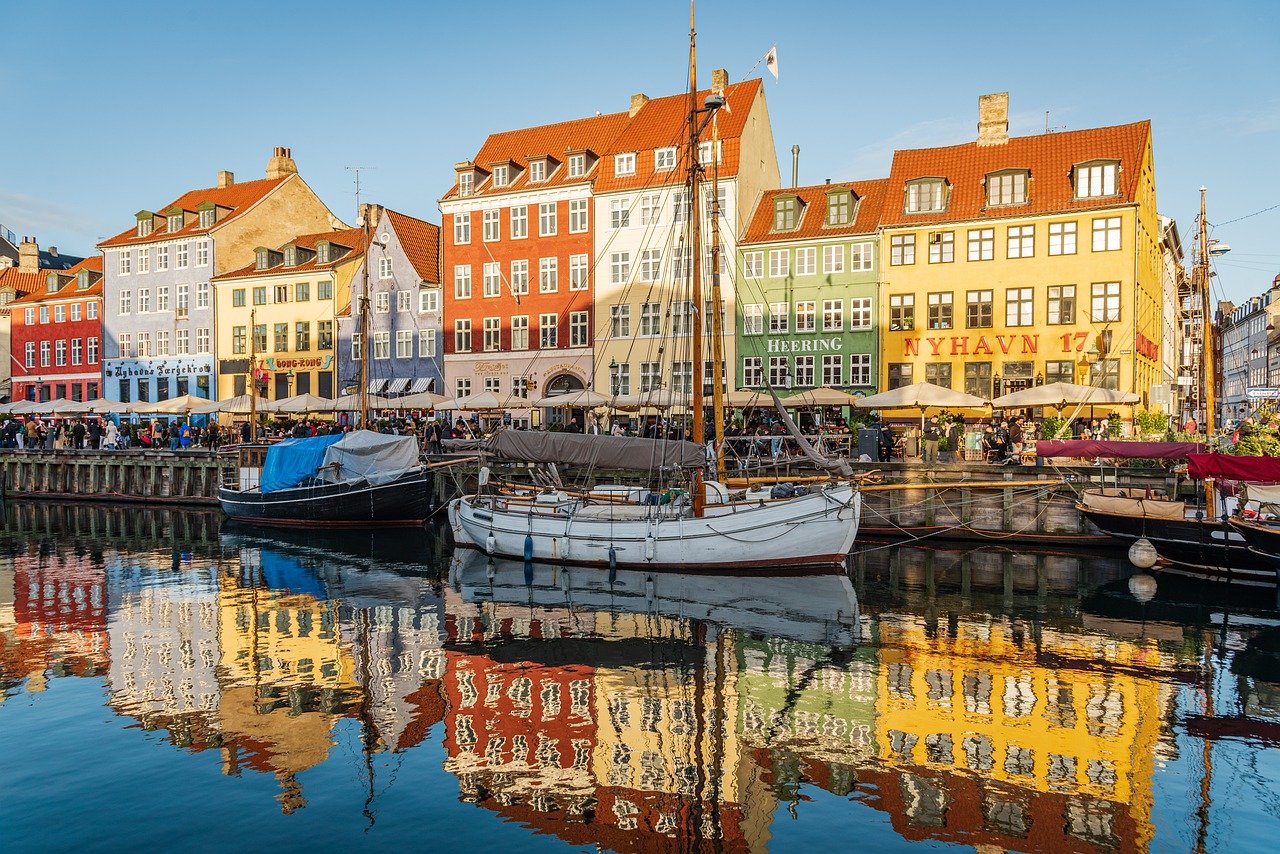
Choose a holiday shape you can sustain. Copenhagen can support several days of neighbourhood, design and harbour outings from one base. Ljubljana offers a pedestrian-centred urban visit without requiring a new destination every morning. The destination finder helps match interests with a manageable location, while our slow-travel city ideas focus on places where a longer stay can be rewarding.
Compare rail, air and road using the whole route
For journeys where rail is practical, compare station-to-door time, transfers, overnight options and price with the flight alternative. Our Europe-by-train guide explains ticket structure and reservations. A train's environmental performance varies with factors such as its energy supply and occupancy, so avoid presenting one universal numerical saving. The useful first step is to investigate a feasible lower-impact route rather than dismissing it before comparison.
A direct flight can remove an extra flight leg, but the environmental comparison still depends on the actual route, distance and aircraft assumptions. Do not turn fewer connections into an absolute claim that every direct itinerary has the smallest footprint. If flying is the workable option, consider fewer separate air journeys within the holiday and a longer stay. A thoughtfully chosen destination can remove unnecessary internal flights without reducing the purpose of the trip.
Road travel has its own variables, including vehicle type, occupancy and the alternative services available. A shared journey is a different comparison from a car carrying one person, but no mode should be assessed in isolation from your access needs. The flight planning page helps make the air leg explicit, while the city-cost comparison keeps accommodation and local travel inside the same practical decision.
Stay in fewer places and choose the base carefully
Repeated hotel changes create packing, transfers and another arrival routine even when the destinations are close. A longer stay lets you explore different districts and use local transport instead of returning to an airport. In Vienna or Prague, several urban days can support a substantial cultural visit before you decide whether another city adds enough value to justify the move.
Investigate accommodation claims through specifics. A property describing itself as green should explain its practices, energy or water measures and any certification it holds. A recognised standard and independently assessed certification have a different meaning from a decorative badge invented by the property. Ask what the claim covers and whether it applies to the accommodation you are actually booking, not merely to a parent brand's general commitments.
Neighbourhood impact matters alongside operational practices. A short-term rental can affect residential availability, while a hotel also has its own footprint and employment practices. Follow the destination's rules and choose legitimate accommodation rather than treating an apartment as automatically more sustainable. The city-break planning guide explains how location and daily journeys influence whether the base works for both you and your itinerary.
Use local transport and walking where they fit
Plan each day around an area so that walking, public transport or cycling can connect useful stops. In Copenhagen, a cycling outing requires understanding the route and local road behaviour; a visitor who is uncomfortable riding does not need to force that option. Public transport and manageable walks remain worthwhile choices. Accessibility and physical comfort belong in the plan rather than being treated as exceptions to a supposedly ideal sustainable visitor.
Ljubljana's central river area allows connected walks, meals and cultural visits within a compact urban outing. In Amsterdam, public transport can help link districts without assuming every traveller should hire a bicycle. Read transport rules and keep paths clear. A lower-impact day should also be considerate of the residents and commuters using the same streets, stops and cycle infrastructure for ordinary purposes.
Use the best-time planner to consider weather and daylight before designing a walk-heavy itinerary. A route that looks efficient on a map may fail in heat, rain or darkness and lead to repeated improvised taxis. Build sensible breaks into the day and have an alternative transport route. Our neighbourhood exploring guide gives a method for learning more from one area instead of crossing the city continually.
Reduce avoidable consumption without compromising essentials
Take items that you will use repeatedly, such as a suitable bottle or shopping bag, when they fit the destination and luggage allowance. Refill drinking water only where the supply is appropriate and reliable. A reusable object helps when it replaces disposable use over time; buying numerous new accessories for one trip can create another form of consumption. Start with useful things you already own.
Use accommodation resources deliberately: switch off unnecessary lights, avoid needless laundering and follow the property's waste arrangements. These actions complement larger transport and accommodation decisions rather than cancelling them. Do not compromise necessary hygiene, medical supplies or accessibility needs for a minimalist target. The packing checklist helps distinguish practical essentials from speculative purchases that may never leave the bag.
Food choices involve production, waste and local context. Order amounts you expect to eat and consider plant-based dishes where they suit your needs and interests. Copenhagen's food-and-design comparison with Amsterdam can help frame a meal-led visit, while the Amsterdam restaurant pages offer specific dining options. A dish's local name alone does not establish its environmental impact or the ownership of the business serving it.
Spend thoughtfully and treat claims with care
If supporting an independently owned business matters to you, investigate rather than assuming a small storefront or a regional name proves ownership. Ask respectfully, read the business's own information and use public local directories where available. Fair payment for a service matters more than obtaining the lowest possible price at every interaction. A guide, craft workshop or meal should be judged by what is provided and how the business operates.
Be cautious about claims that an offset purchase makes a journey environmentally neutral. Projects differ in quality, measurement and additionality, and purchasing a credit is not the same action as avoiding an unnecessary journey. Read the provider's evidence and scope if considering such a purchase. Focus first on choices you can understand directly: distance, travel frequency, base changes and the services you use during the stay.
For heritage places, the UNESCO World Heritage centre provides context about recognised sites and conservation. Recognition is not a promise of unlimited visitor access. Follow restrictions, pay legitimate admission where required and use the routes provided. Responsible spending and respectful conduct work together when the visitor understands that a place's cultural or environmental value can also make it vulnerable to pressure.
Protect wildlife and keep a useful record of the trip
For excursions beyond the city, choose activities that follow protected-area rules and do not depend on disturbing wildlife. Stay on permitted routes, keep appropriate distance and do not feed animals simply to obtain a photograph. An activity marketed as conservation should explain its actual purpose and visitor role. Avoid assuming that a hands-on encounter is beneficial because the operator uses reassuring language about care or rescue.
Carry waste out where local arrangements require it and respect limits on fires, bathing or access. Rules can differ by site and season, so the responsible source is the park or reserve authority. A visit to Helsinki with a nature excursion, for example, needs the relevant Finnish park information alongside urban planning. Do not generalise one country's access traditions to another place with different laws and conservation needs.
After returning, record the choices that made the trip simpler: fewer bases, a useful rail leg, well-located accommodation or a neighbourhood day you enjoyed. Note what cost more and what obstacles need solving next time. The currency tool can support your expense notes, but progress is better judged by specific repeatable decisions than by assigning your whole holiday a perfect sustainability label.
- Before selecting transport: compare the actual door-to-door alternatives and identify journeys you could remove.
- Before choosing accommodation: ask what environmental claims mean and follow the destination's housing and visitor rules.
- During the stay: group outings geographically, use resources deliberately and respect working and residential space.
- After the trip: keep the practical changes that worked, with enough detail to repeat them on another route.
Frequently asked questions
Is train travel always more sustainable than flying?
Rail is often worth investigating as a lower-impact alternative, but the comparison depends on the actual services and assumptions used. Consider energy supply, route and occupancy alongside practical door-to-door travel. Avoid applying one percentage saving to every journey or comparing calculator figures that include different parts of the trip.
Should I buy new sustainable travel accessories?
Buy an item when it solves a practical need and you expect to use it repeatedly. Existing bottles, bags and suitable clothing may serve the purpose without another purchase. A holiday's environmental choices involve transport and accommodation as well as daily objects, so accessories should not become a substitute for considering the larger itinerary.
Does a green hotel badge prove the accommodation is sustainable?
A badge is useful only when you can identify its standard, scope and assessment process. Read what the property actually does and whether a recognised independent certification applies to it. Also consider location, legitimate operation and neighbourhood impact, because one operational claim cannot describe every consequence of a visitor stay.
Links & Resources
Sources for lower-impact trip choices
- UN Environment Programme: Environmental context for consumption and resource choices
- UN Tourism: Responsible tourism principles and destination impacts
- Global Sustainable Tourism Council: Standards behind tourism certification claims
- Copenhagen tourism: Public-transport and neighbourhood ideas for a slower stay
- Ljubljana visitor board: Pedestrian centre routes and city visiting information
- Swiss rail journeys: Rail itineraries that can replace short regional flights
- Austrian rail options: Day and overnight rail alternatives in central Europe
- Finnish national parks: Visitor conduct for excursions beyond an urban base