Seoul Travel Guide: Sights, Neighbourhoods & Tips for 2026
Seoul combines Joseon-era palaces, mountain trails and some of Asia's most dynamic street life in a single metropolitan area of more than twenty million people. A morning in a royal palace can turn into an afternoon in a design district and an evening at a market eating pancakes beside office workers. This Seoul travel guide groups the city into practical areas, explains the subway and T-money card and helps you build a five-day first visit.
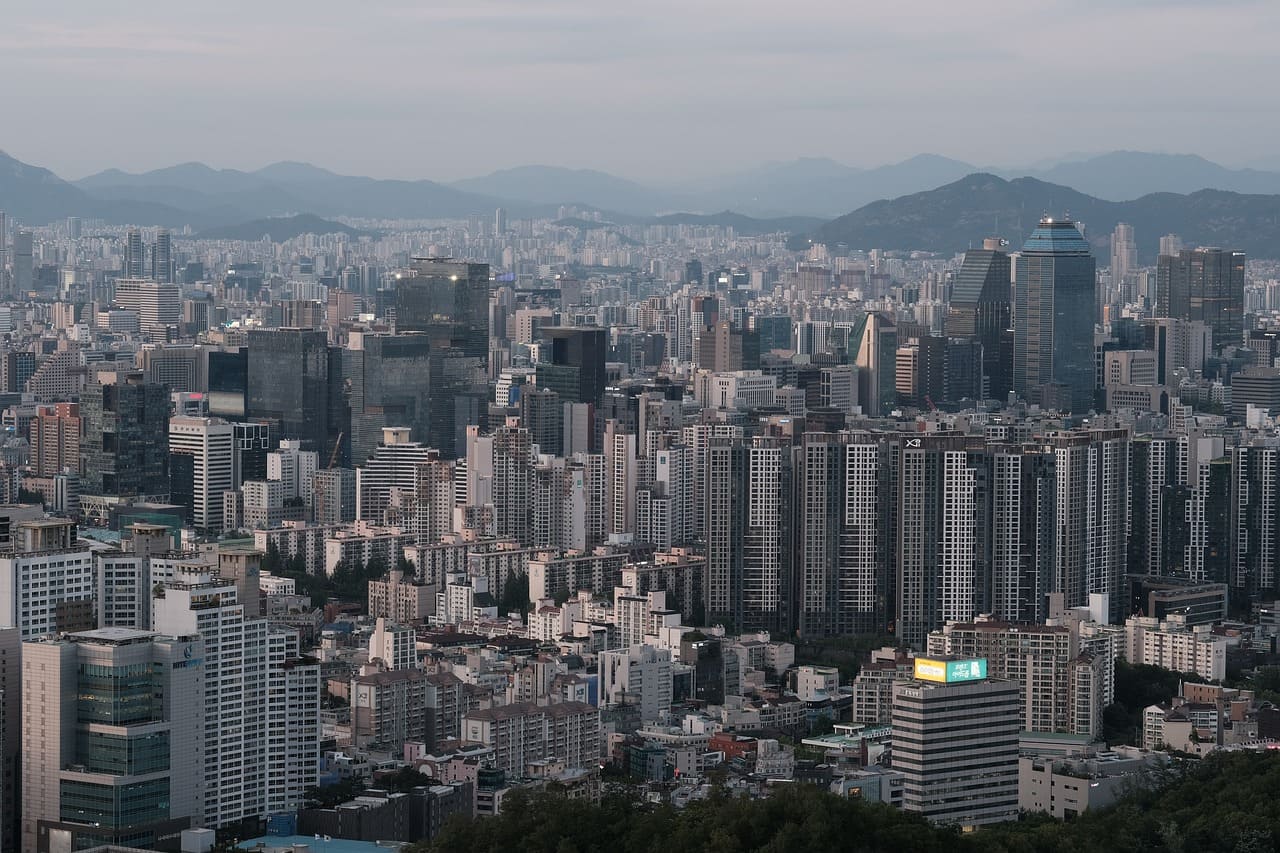
Seoul was the capital of the Joseon dynasty from 1394, and five grand palaces survive from that era, much rebuilt after wars and occupation. The city was rebuilt again after the Korean War, which is why ancient gates stand beside glass towers. Mountains such as Bukhansan and Namsan rise within the city limits, giving it a striking natural frame.
Seoul is large, but its subway makes it easy to explore by district. Visit Seoul, the city's official tourism site, publishes current festivals, exhibitions and neighbourhood guides, including seasonal events such as the spring cherry blossom along the Yeouido riverbank.
Where to stay in Seoul
Jongno and Insadong, north of the Han River, put the palaces, Bukchon's traditional houses and the Insadong craft streets within walking distance. They are a natural first base for history and culture. Myeongdong, slightly south, is the shopping district, with many hotels, street food stalls and easy access to Namsan.
Hongdae, near Hongik University in the west, is young and lively, known for live music, street performers and cafés; it also has a direct airport rail link. Gangnam, south of the river, is modern and business-oriented, with upscale shopping but longer journeys to the palaces. Itaewon is international and close to Namsan.
Seoul hotels are often compact but well equipped. Guesthouses in hanok, traditional houses, offer a memorable stay in Bukchon, though rooms are small and walls thin. Check the nearest subway station and its line, since a single change can add a long walk through a large interchange. Comparing two bases in the city-cost tool shows the price difference between Myeongdong and Hongdae, for example.
Seoul's palaces and historic quarters
Gyeongbokgung, built in 1395, was the main royal palace of the Joseon dynasty. Its throne hall, pavilions and the National Folk Museum within its grounds deserve half a day. The changing of the guard ceremony takes place at the main gate several times a day, except on Tuesdays when the palace is closed. Visitors wearing hanbok, traditional Korean dress, often enter free.
Changdeokgung, a UNESCO World Heritage Site, is admired for how its buildings follow the natural landscape. Its Secret Garden, Huwon, can be seen only on a guided tour with limited places, so book ahead. Deoksugung, near City Hall, mixes traditional halls with Western-style stone buildings from the late nineteenth century.
Bukchon Hanok Village, between Gyeongbokgung and Changdeokgung, is a residential area of traditional houses. Visiting hours are restricted in parts of the neighbourhood to protect residents, so follow the signs, keep voices low and do not enter private courtyards. Insadong nearby is the place for tea houses, galleries and crafts.
Modern Seoul: markets, design and the river
Myeongdong is known for cosmetics shops and evening street food. Dongdaemun Design Plaza, designed by Zaha Hadid and opened in 2014, hosts exhibitions and is surrounded by wholesale fashion markets that stay open late. Cheonggyecheon, a restored stream running through the centre, is a pleasant walk, especially in the evening when it is lit up. Hongdae's streets fill with buskers and dance crews on weekend evenings.
N Seoul Tower on Namsan offers panoramic views; you can walk up through the park, take a bus or ride the cable car. Along the Han River, parks such as Yeouido and Banpo are popular for picnics, cycling and the Banpo Bridge fountain show in warmer months.
Gangnam's COEX complex holds the Starfield Library, a striking public reading space. The National Museum of Korea, in Yongsan, is one of the largest museums in Asia and free to enter; it offers an excellent overview of Korean history and art.
For an evening view, the Lotte World Tower, completed in 2017 and among the tallest buildings in the world, has an observation deck called Seoul Sky. Nearby, Seokchon Lake is lined with cherry trees and is especially popular in early April.
Getting around Seoul
Seoul's subway is extensive, clean and signposted in English, Korean, Chinese and Japanese. A T-money card, bought at convenience stores and stations, works on subways, buses and many taxis; load credit as you go. Transfers between subway and bus within a set time are discounted.
From Incheon International Airport, the AREX train runs to Seoul Station, with an express service and a slower all-stop service that also calls at Hongik University. Airport limousine buses reach many hotel areas directly. Gimpo Airport, closer to the city, handles mainly domestic and some regional flights.
Navigation apps that work well internationally can be less accurate in Korea, where local apps offer more detailed public transport routes. Taxis are affordable and plentiful. Seoul Metro provides line maps and station information. Naver Map and Kakao Map have English options and accurate subway, bus and walking routes, and Kakao T is widely used to call taxis.
What to eat in Seoul
Korean barbecue, grilled at the table with lettuce wraps and side dishes, is a must. Try also bibimbap, mixed rice with vegetables and chilli paste, tteokbokki, spicy rice cakes, and kimchi jjigae, a warming stew. Fried chicken with beer, known as chimaek, is a popular evening combination.
Gwangjang Market, one of Seoul's oldest, is famous for bindaetteok, mung-bean pancakes, and mayak gimbap, small rice rolls. Tongin Market lets you buy a tray of dishes with old-style coins. Banchan, the free side dishes served with meals, are usually refilled on request.
Restaurants often specialise in one dish, and some require a minimum of two portions, especially for barbecue. Tipping is not expected. Many places have a self-service water station, and you pay at the counter when you leave. Many places take orders through tablets at the table, often with an English option.
Hiking, day trips and the DMZ
Hiking is one of Seoul's favourite pastimes, and many trails start near subway stations. Bukhansan National Park, on the northern edge of the city, rises to Baegundae peak at 836 metres, while the Seoul City Wall trail follows restored Joseon-era fortifications over Inwangsan and Bugaksan, with wide views over the palaces.
Suwon, about an hour away by subway or train, is home to Hwaseong Fortress, built in the 1790s and listed by UNESCO. Tours to the Demilitarized Zone, the heavily guarded border with North Korea, leave from Seoul and must be booked with an authorised operator. Bring your passport, and check whether tours are running, as they can be suspended at short notice.
A five-day Seoul itinerary
| Day | Area | Main focus |
|---|---|---|
| 1 | Gyeongbokgung and Bukchon | Main palace, folk museum, traditional houses |
| 2 | Changdeokgung and Insadong | Secret Garden tour, tea houses, Gwangjang Market |
| 3 | Myeongdong and Namsan | N Seoul Tower, Cheonggyecheon, Dongdaemun at night |
| 4 | Yongsan and the Han River | National Museum of Korea, a riverside park |
| 5 | Hongdae or Gangnam | Live music and cafés, or COEX and modern design |
Begin at Gyeongbokgung for the guard ceremony, then wander Bukchon. On day two, join the Secret Garden tour at Changdeokgung, browse Insadong and eat at Gwangjang Market. Day three covers Namsan and N Seoul Tower, with an evening walk along Cheonggyecheon and the Dongdaemun markets.
Spend day four at the National Museum of Korea, then relax in a Han River park. On day five, choose between Hongdae's music and street culture or Gangnam's modern side. If you are combining Korea with Japan, our Tokyo–Seoul comparison explains the differences, and our Asian food city guide places Seoul's food in a wider context.
Seoul budget, seasons and entry requirements
Seoul is mid-priced: accommodation and meals can be affordable, while shopping and high-end dining add up quickly. Spring brings cherry blossoms and mild weather; autumn has clear skies and colourful leaves on the mountains. Summer is hot, humid and includes a monsoon season, while winter is very cold and dry.
Many visitors can enter South Korea visa-free, but some nationalities need a K-ETA, an electronic travel authorisation, before departure. Rules change, so check the official site in advance. Use the visa tool to organise your questions and the currency converter to plan in won.
If Seoul's mix of tradition and street energy appeals, destinations similar to Seoul suggests comparable cities, and the destination finder can help choose your next trip. Busan, on the south coast, is under three hours away by KTX train, with beaches and seafood markets, while Tokyo and Taipei are short flights away.
Frequently asked questions
How many days do you need in Seoul?
Five days cover the main palaces, Bukchon, a major museum, the markets and a modern district at a comfortable pace. Three days are enough for a focused introduction. Add days for Busan or the DMZ, both of which require separate planning.
Do I need a K-ETA for South Korea?
It depends on your nationality and the current rules. Some visa-exempt travellers must apply for a K-ETA before departure, while others have been exempted for set periods. Check the official K-ETA website well before you travel.
Is a T-money card necessary in Seoul?
It is the easiest way to pay for subways, buses and many taxis, and it gives transfer discounts. You can buy and top it up at convenience stores and subway stations. Single-journey tickets exist but are less convenient.
Links & Resources
Official sights, transport and planning
- Korea Tourism Organization: National travel planning and regional ideas.
- National Museum of Korea: Free collections in Yongsan.
- UNESCO — Changdeokgung Palace Complex: Heritage background.
- Seoul Metropolitan Government: City services and visitor information.
- Incheon International Airport: Terminals and transfers into Seoul.
- AREX: Airport rail to Seoul Station and Hongdae.
- K-ETA: Official electronic travel authorisation portal.
- UK government — South Korea travel advice: Entry and safety guidance.
On GuesTheCity
- Explore the city map: Locate the palaces, Namsan and the Han River.
- Play Guess the City: Recognise Seoul's towers and palace gates.