Tokyo vs Seoul: Comparing East Asia’s Great Capitals
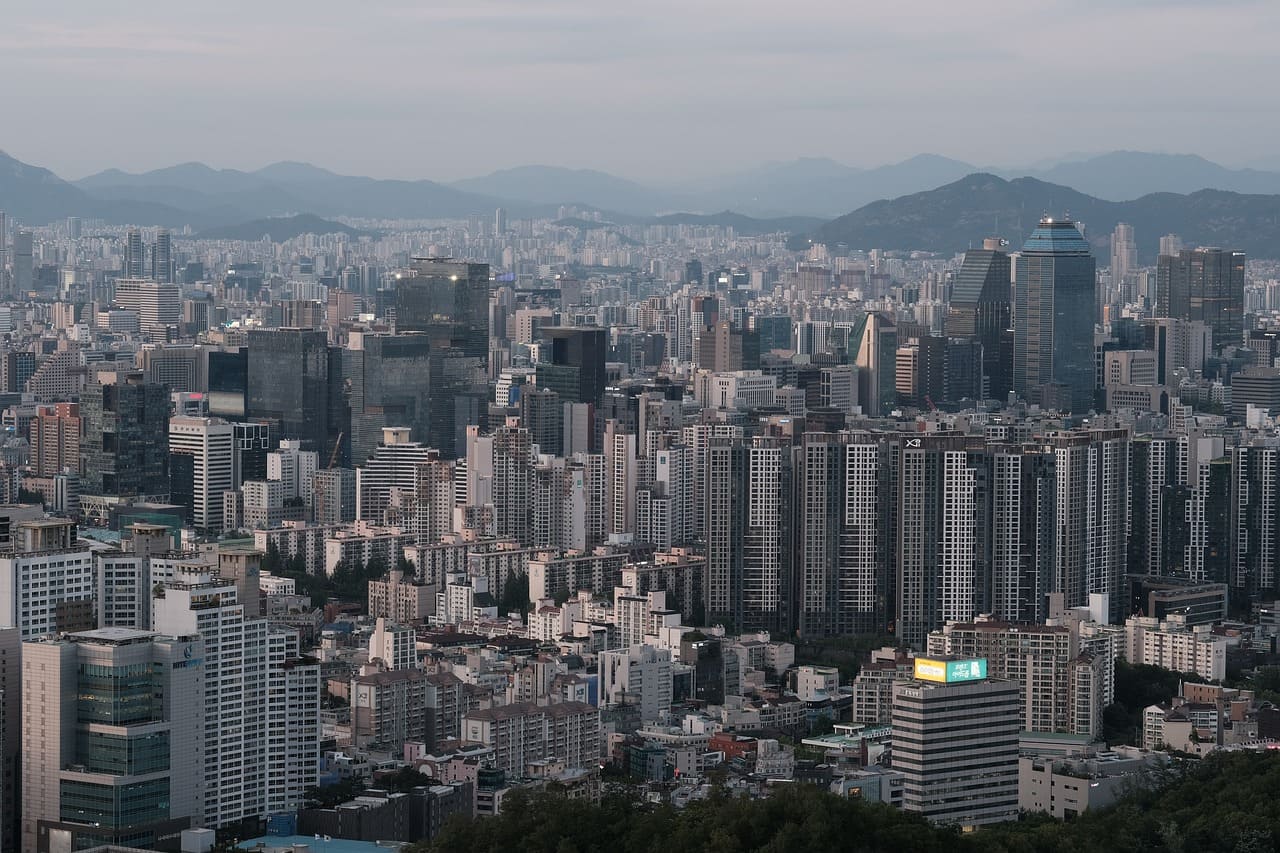
Tokyo and Seoul are East Asia's two great capitals of food, design and pop culture, separated by a flight of about two and a half hours. Both are huge, safe, efficient and endlessly interesting, but they offer different experiences. Tokyo is vast, orderly and layered with specialist neighbourhoods; Seoul is energetic, compact by comparison and framed by mountains, with royal palaces at its historic heart.
This Tokyo vs Seoul comparison, written for first-time visitors to East Asia, helps you choose one city for a first trip, or plan a route that combines them. It compares sights, food, costs, transport, entry rules and the general mood of each city, so that you can match the trip to your interests.
Tokyo vs Seoul at a glance
| Decision | Tokyo | Seoul |
|---|---|---|
| Daily allowance, approximate 2026 | ¥18,000–32,000 | ₩140,000–260,000 |
| Best fit | Specialist food, shrines, distinct districts | Palaces, markets, nightlife, K-culture |
| Transport | Many rail operators; IC cards | Single integrated subway; T-money card |
| Signature food | Sushi, ramen, tempura, izakaya | Korean barbecue, bibimbap, market food |
| Nearby trips | Nikko, Kamakura, Mount Fuji area | DMZ tours, Suwon, Bukhansan |
| Suggested stay | 5 days | 4–5 days |
The daily ranges are approximate 2026 planning allowances for one person sharing a modest room, with ordinary meals, local transport and some paid sights. Costs in the two cities are broadly comparable; exchange rates and your accommodation choice matter most. Convert both currencies to your own with the currency converter before comparing.
Sights: shrines and neighbourhoods or palaces and mountains
Tokyo's appeal lies in its districts. Asakusa's Sensō-ji temple, the wooded Meiji Jingu shrine beside Harajuku, the crossing at Shibuya, the museums of Ueno and the electric shops of Akihabara each feel like a different city. Tokyo Skytree and Tokyo Tower offer views, and the city's gardens provide calm between the crowds.
Seoul's historic heart is its Joseon-era palaces, led by Gyeongbokgung, built in 1395, and Changdeokgung, a UNESCO World Heritage Site with a celebrated Secret Garden. Bukchon's traditional hanok houses, the restored Cheonggyecheon stream and N Seoul Tower on Namsan add to the mix, with mountains rising inside the city limits.
Choose Tokyo for variety across many specialist neighbourhoods, and Seoul for a strong historic core combined with a lively modern street culture. Our Tokyo guide and our Seoul guide give detailed itineraries. Tokyo is far larger, so allow more time for travel between areas, while Seoul's historic sights are concentrated north of the Han River.
Food: precision or abundance
Tokyo is a paradise for specialist dining, from sushi counters and ramen shops to tempura, soba and izakaya pubs. Department-store food halls and convenience stores are surprisingly good. Tsukiji Outer Market still sells street food and produce, while the wholesale market moved to Toyosu in 2018. See Tokyo restaurant ideas for more.
Seoul's food is generous and social. Korean barbecue grilled at the table, bibimbap, tteokbokki and fried chicken with beer are favourites, and meals come with free banchan side dishes. Gwangjang Market is famous for mung-bean pancakes and rice rolls. Many barbecue restaurants serve only for two people or more.
Both cities are excellent for food lovers. Tokyo rewards those who enjoy refined specialisation, while Seoul suits those who like shared, abundant and often spicy meals. Our Asian food city guide covers both in more detail. Vegetarians may find Tokyo slightly easier thanks to Buddhist temple cuisine, shōjin ryōri, though fish stock is common in both kitchens.
Getting around: two very good systems
Tokyo's rail network is run by several operators, including JR, Tokyo Metro and Toei, which can be confusing at first. Rechargeable IC cards such as Suica and Pasmo work across almost all of them. Long-distance Shinkansen trains require separate tickets. From Narita and Haneda, airport trains and buses reach the city. Shinkansen trains for Kyoto and Osaka leave from Tokyo and Shinagawa stations.
Seoul's subway is a single integrated network, generally easier to understand, with signs in English. The T-money card works on subways, buses and many taxis. The AREX airport railway links Incheon with Seoul Station. Local navigation apps are more accurate in Korea than international ones.
Both cities are walkable within districts and have reliable late-evening service, though trains do not run all night. Our public transport city guide explains how each system works. Seoul Metro publishes English maps and station guides. Taxis are a good fallback after the last train, and in Seoul they are relatively inexpensive.
Budget travellers will find inexpensive meals in both cities. Tokyo's chain restaurants, standing noodle bars and convenience stores keep costs down, while Seoul's markets, kimbap shops and lunch sets at office-district restaurants offer similar value. Accommodation is the larger expense: business hotels in Tokyo and guesthouses in Hongdae or Jongno are good mid-range options. Day passes help in Tokyo if you plan many rides, whereas Seoul's distance-based fares make a stored-value card the simpler choice. Free museums, parks and temple grounds help in both cities.
Entry rules and practical differences
Many nationalities can visit Japan visa-free for short stays, while South Korea requires some visa-exempt travellers to obtain a K-ETA electronic authorisation before departure, depending on current exemptions. Rules differ by nationality and change over time, so check the official sources for both countries before booking.
Japan is very cash-friendly but increasingly accepts cards; Korea is highly card-based. Tipping is not expected in either country. Japan has a quieter public culture, particularly on trains, while Seoul's streets are livelier at night. Use the visa tool to organise entry questions for both.
Where to stay in Tokyo and Seoul
In Tokyo, choose a base near a station on a useful line rather than a famous district name. Shinjuku and Shibuya suit nightlife and shopping, Ginza and Tokyo Station are central and convenient for the Shinkansen, while Asakusa and Ueno are calmer and closer to temples and museums. Rooms are compact, so check the size before booking.
In Seoul, Jongno and Insadong put the palaces and Bukchon within walking distance, Myeongdong is the shopping hub with many hotels and Hongdae offers live music and a direct airport rail link. Gangnam, south of the river, is modern but further from the historic sights. Hanok guesthouses in Bukchon offer a memorable traditional stay.
In both cities, the walk from the station exit to your hotel matters more than the distance on a map, because large stations have many exits. The Seoul Metropolitan Government publishes practical city information for visitors, including transport and safety notices.
Both cities also make good bases for short trips. From Tokyo, Kamakura's temples and giant Buddha, Nikko's shrines and the lakes near Mount Fuji are reachable in a day. From Seoul, the fortress of Hwaseong in Suwon, the hiking trails of Bukhansan National Park and organised tours to the border area provide very different outings. Allow at least one extra day in each city if these trips appeal, rather than squeezing them into a busy sightseeing schedule.
Mobile data is easy to arrange in both countries, with SIM cards, eSIMs and pocket wifi routers available at the airports. Power sockets differ: Japan uses flat two-pin plugs at 100 volts, while Korea uses round two-pin plugs at 220 volts, so check adaptors and chargers before you leave.
Shopping is a highlight of both cities. Tokyo's department stores, Akihabara's electronics shops and Shibuya's design stores contrast with Seoul's cosmetics shops in Myeongdong, the wholesale fashion markets of Dongdaemun and the independent boutiques of Seongsu. Both countries offer tax relief to visitors on qualifying purchases, with Japan moving to a refund-based system from November 2026, so carry your passport when shopping.
The verdict: Tokyo, Seoul or both?
Choose Tokyo if you want endless specialist neighbourhoods, refined food, temples and shrines, and the option of day trips to Mount Fuji, Kamakura or Nikko. Choose Seoul if palaces, markets, nightlife and Korean pop culture appeal, and you enjoy a city with mountains on its doorstep.
With ten days or more, combine them: five days in Tokyo and four or five in Seoul, linked by a short flight. For a first Japan trip that also includes Kyoto, our Japan first-timer's guide helps plan the route. To weigh your own priorities, try the city comparison tool.
Seasons and timing
Spring, with cherry blossom in late March and April, and autumn, with colourful leaves in October and November, are the most popular seasons in both cities. Summer is hot and humid, with a rainy season and occasional typhoons. Winter is cold and dry in Seoul and milder in Tokyo. Compare the months with the seasonal planner.
Blossom dates vary each year, and both cities are very busy during peak bloom and national holidays, such as Golden Week in Japan and Chuseok in Korea. Book accommodation early for these periods and plan indoor alternatives for rainy days.
Frequently asked questions
Is Tokyo or Seoul better for a first trip to East Asia?
Tokyo offers more variety and specialist neighbourhoods, while Seoul offers a strong historic core and lively street culture in a slightly more manageable city. Both are safe and easy to navigate. The best choice depends on whether food, history or nightlife matters most to you.
Is Seoul cheaper than Tokyo?
Costs are broadly similar and depend heavily on exchange rates and accommodation. Seoul can be cheaper for some meals and transport, while Tokyo offers good-value food at convenience stores and lunch sets. Compare real quotes for your dates.
How do you travel between Tokyo and Seoul?
Flights take roughly two to two and a half hours. Haneda–Gimpo routes are the most convenient because both airports are close to their city centres. Allow time for airport transfers, security and immigration when planning the day.
Links & Resources
Tourism, transport and entry
- GO TOKYO: Tokyo neighbourhoods and events.
- Visit Seoul: Seoul attractions and festivals.
- Japan National Tourism Organization: National planning for Japan.
- Korea Tourism Organization: National planning for Korea.
- Tokyo Metro: Subway lines and passes.
- K-ETA: Korea's electronic travel authorisation.
- UK government — Japan travel advice: Entry and safety guidance.
- UK government — South Korea travel advice: Entry and safety guidance.
On GuesTheCity
- Explore the map for Tokyo and Seoul: See both capitals and their surroundings.
- Play the Capitals game: Practise recognising world capitals before your trip.