6 Cities for a Family Holiday: Museums, Parks and Breaks
A family holiday city needs to work for the people travelling, not an imaginary child who enjoys every museum and never needs a break. London dinosaurs, Copenhagen rides and Singapore gardens offer different days, with different walking, weather and ticket demands. The useful choice connects one activity the children want with a manageable base, food they can eat and enough time to return comfortably when energy runs out.
These six cities provide specific starting points rather than a claim that every family will find the same destination effortless. Younger children, teenagers, accessibility needs and a multigenerational group can produce very different itineraries. Use the named areas and attractions to build a first route, then price the actual party and room configuration. A well-chosen playground, garden or rest interval can contribute as much to the holiday as another paid entrance.
Tropical gardens and science-led urban days
1. Singapore: gardens with a deliberate indoor alternative
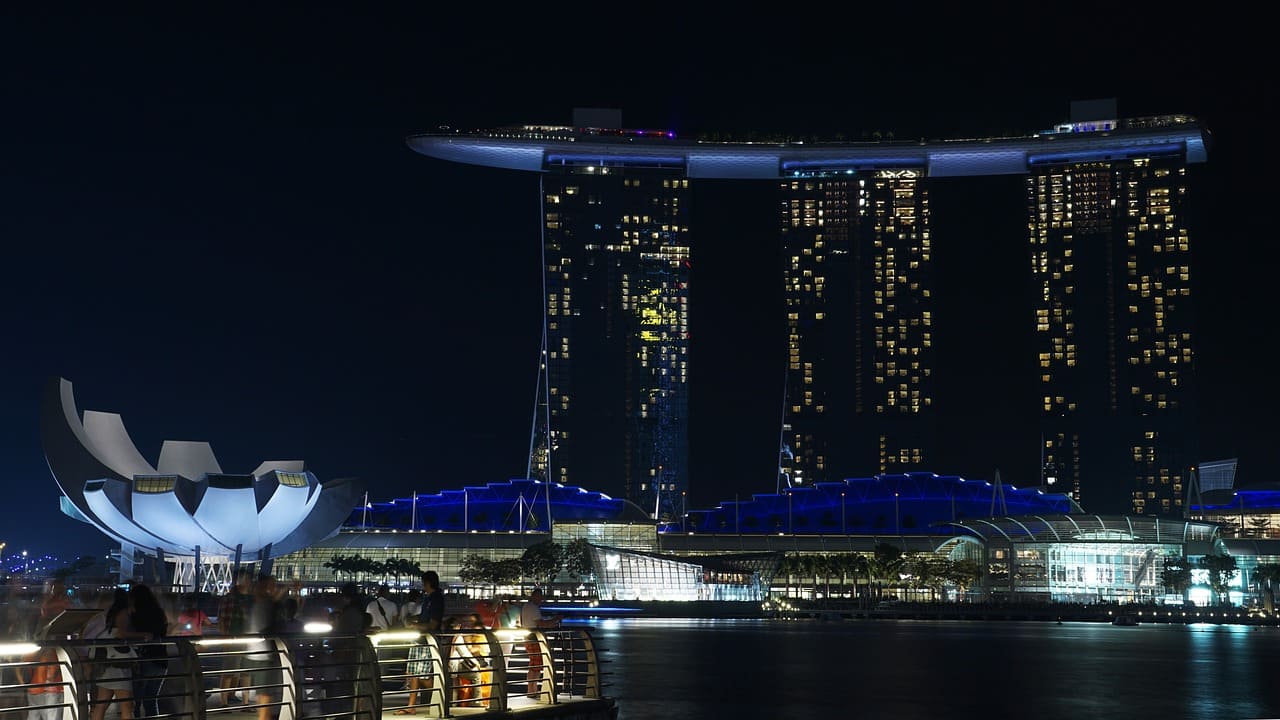
Singapore can support a family route centred on Marina Bay, with Gardens by the Bay as a substantial outing. The gardens opened in 2012 and contain distinct experiences such as the Supertree Grove, Flower Dome and Cloud Forest. Those are not one interchangeable ticket or identical environment. Decide which feature interests your group, then leave time for the journey, food and a quieter interval instead of planning the entire bay as a quick stop.
Tropical heat and rain shape the day throughout the year. Use an indoor visit and a later outdoor interval when that arrangement suits the conditions. Sentosa is another separate outing with transport and its own activity choices; it need not be added to a garden day automatically. Hawker centres offer multiple food options for a family, but identify a meal area before everyone becomes hungry and tired. Allow at least four days if you want both a central visit and a larger excursion.
2. Tokyo: museums and neighbourhoods before distant extras
Tokyo rewards a family that chooses one area at a time. Ueno Park and the National Museum of Nature and Science provide a specific museum-and-outdoor cluster. Miraikan, which opened in 2001 in the bay area, is closed for refurbishment from 1 October 2026, with a grand reopening announced for 23 April 2027. Use its linked notice for updates rather than including it in a visit during the closure. The correct station exit also matters when managing bags, a buggy or a child who is ready to stop walking.
For five full days, keep the first afternoon gentle and alternate larger visits with simpler neighbourhood outings. Theme parks marketed with the Tokyo name can lie outside the central city and require a separate journey and ticket plan. The Japan first-trip guide explains transport products and luggage. Use the Tokyo restaurant pages to identify suitable food choices, then discuss dietary and access requirements directly with a venue where necessary instead of assuming every menu suits your party.
Museums, parks and an organised amusement-garden outing
3. London: South Kensington offers a coherent family day
London can support a four-day family break built around specific districts rather than repeated cross-city journeys. The Natural History Museum opened its South Kensington building in 1881; dinosaurs and Hope, the blue whale skeleton in Hintze Hall, give a visit recognisable anchors. Permanent collections are free, while some exhibitions and activities are separately ticketed. Select a small collection route instead of assuming that free admission makes every gallery necessary on the same morning.
The neighbouring Science Museum offers another substantial visit, so choose whether it belongs on a different day. Hyde Park and Kensington Gardens provide outdoor intervals in the wider area, but still add walking. Red buses can be useful transport without becoming a promise that every route is a sightseeing circuit. The London dining guide helps place a meal near the day's activities, while station access deserves particular attention if a buggy or mobility requirement determines the route.
4. Copenhagen: separate Tivoli from the rest of the centre
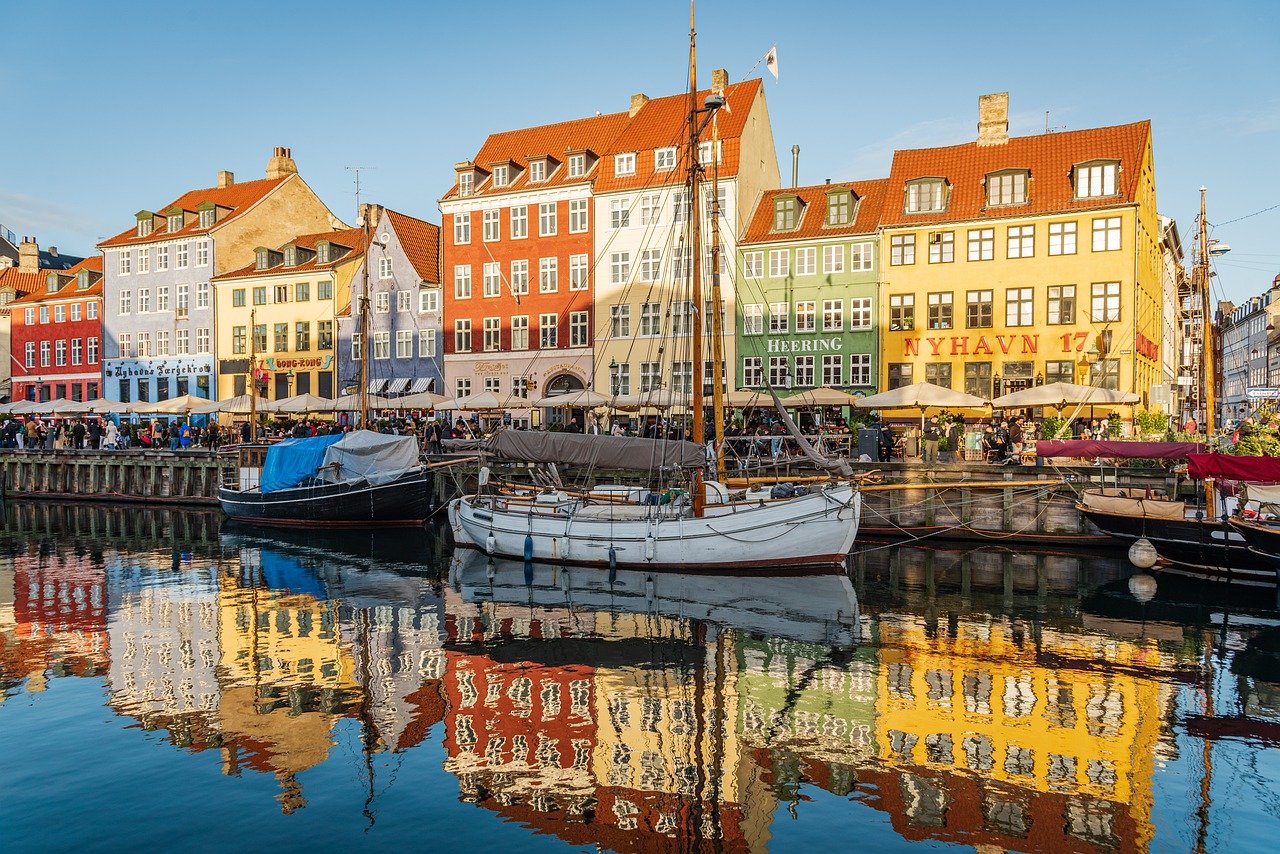
Copenhagen combines a central cultural visit with a possible Tivoli Gardens outing. Tivoli opened in 1843 and has seasonal operating periods, admission products and ride arrangements that need their own comparison. Decide whether your group wants rides, gardens, a performance or a mixture before choosing a ticket. A young child and a teenager may value the same park differently, so the family's priorities matter more than the assumption that one unlimited product is always best.
Build another day around harbour walks or a museum matching the children's interests, and allow an ordinary park break. The metro is useful for some journeys, but a bicycle hire is optional rather than a requirement for a Danish family holiday. Visitors unfamiliar with city cycling should not treat a family-friendly reputation as a substitute for understanding the roads. Three or four days can leave room for a Tivoli visit without making every evening another demanding outing.
Beaches, parks and substantial attractions as separate days
5. Barcelona: Gaudí and the coast need different plans
Barcelona offers Gaudí architecture, parks and coastal outings, but they occupy different settings with different transport needs. Park Güell was developed between 1900 and 1914 and includes sloping paths and steps, so it should not be presented as a uniformly flat playground. Choose the route and current access arrangements that fit your group. A Sagrada Família visit is another substantial booked activity; it does not need to be added simply because both places appear on a Gaudí checklist.
Give a four-day stay an architecture day, an easier neighbourhood-and-park day and a separate coastal interval if conditions suit. The beach is a genuine urban outing, not a guarantee of suitable swimming weather or a replacement for ordinary supervision and local guidance. Use the Barcelona food pages to select meals along the day's route. A return to the accommodation can be more useful than adding another paid attraction to fill an afternoon after everyone is tired.
6. San Diego: select one large outing and keep the base practical
San Diego can support a longer family stay with Balboa Park, a zoo visit and a separate coastal day. Balboa Park's museum setting means there is more to choose than one generic park stop, while San Diego Zoo has been associated with the city since 1916. A substantial attraction deserves its own day or carefully chosen portion of one. Do not assume that visiting a zoo, several museums and the coast together is easier because each appears family-oriented.
A five-day allocation can provide room for a larger outing, a rest day and the local journeys between them. Accommodation near one attraction is not automatically convenient for every other part of the trip, and a vehicle or suitable public route changes the calculation. La Jolla is a distinct coastal area rather than a short walk from every central hotel. Read local beach and wildlife instructions, and choose activities that do not depend on disturbing animals to create a photograph.
Build a day for the ages and needs in your group
For a preschool child, a short interactive visit, food and a familiar rest routine may be more useful than the number of attractions reached. For an older child, a named goal such as finding a dinosaur skeleton or choosing a science activity can provide focus. Teenagers may prefer a different museum, food area or more independent interval. These are planning examples rather than fixed abilities or attention spans assigned to every age.
An illustrative four-day structure might use day one for arrival and the accommodation area, day two for one major attraction, day three for a quieter park-and-neighbourhood outing and day four for the second priority. Adjust that sequence to your actual usable hours. Our city-break planning method explains why two room nights or four calendar dates do not automatically provide the same amount of visiting time for every family.
Let each traveller name one activity they particularly want, then compare the logistics together. A garden, a beach and a museum may be compatible across several days but unsuitable in one long sequence. The packing planner helps organise necessary supplies without turning the day bag into a full suitcase. Carry the items your group needs for comfort and health, keeping required medicines accessible and destination rules in mind.
Choose accommodation and access through the actual route
Read the room arrangement carefully: number of beds, any sofa-bed setup, occupancy limit and whether the quoted price includes everyone. A kitchen can help when food needs are specific, but cooking requires supplies and time that should be planned realistically. Ask about a cot, lift, stairs and noise where those affect the stay. A large family room is useful only when its layout and location meet the group's practical needs.
Map the journey from the arrival point, then the trips to your main attractions. The public-transport city guide explains why a network's reputation does not guarantee lift access at your chosen station. A simpler route with fewer changes may be preferable to a slightly faster one involving long interchange walks. Include the final distance from the stop to the property, particularly if the group will arrive after a long flight.
Use the flight planner to assess arrival and return times alongside the accommodation. An early fare can create a demanding pre-dawn departure that affects the first day; a late landing can require a different airport transfer. Our carry-on packing guide helps with portability but should not be treated as a challenge to remove essential child-related supplies. The smallest practical load is the one that supports your actual group.
Price the real party and keep a simpler option
Calculate admissions using the children's actual ages and the venue's categories. A family bundle might cover a defined number of adults and children, while a teenager may fall into another price band. Add any separate ride, exhibition or transport charge before calling a product economical. Confirm current opening dates, age rules, admission prices and access requirements with the attraction once the itinerary is settled, instead of copying a years-old family ticket figure.
The city-cost tool helps compare the wider accommodation and transport bill, and the currency converter puts quoted amounts in familiar terms. Keep room for an easier transfer or replacement meal when the day changes. Avoid turning an advance payment into pressure to continue an activity that no longer works for your group. A shorter visit can be the sensible choice even when the ticket theoretically allows a longer stay.
Retain an indoor alternative for outdoor plans and a shorter version of each larger outing. The season planning tool adds weather and daylight to the city decision, while the walking guide describes terrain more honestly than a flat tourist map. End the day with a manageable return rather than a final distant attraction. A family holiday succeeds through enjoyable time together, not the completion of every activity marketed for children.
Frequently asked questions
Which family city is best for museums?
London's South Kensington institutions and Tokyo's separate museum areas provide different possibilities, depending on the children's interests and the route you can manage. Choose a named collection or activity before reserving the whole day. A city with several museums is useful because you can select well, not because every institution must be visited together.
Should I buy a family sightseeing pass?
Compare the pass with the exact attractions, transport and age categories your party will use. Separate ride or exhibition charges can affect the total even when basic admission is included. A product that encourages extra visits after the group is tired may be less useful than paying for the two experiences everyone actually wants.
Does a family-friendly destination remove the need for rest days?
A destination's attractions do not determine the energy or routines of your particular children and companions. Schedule easier intervals between substantial outings and keep a shorter version of each day. Comfortable accommodation access, suitable meals and a manageable return can improve the holiday more than another attraction carrying a family-friendly label.
Links & Resources
Sources for six family city breaks
- Visit Singapore: Six family city breaks: singapore areas and visitor planning
- GO TOKYO: Six family city breaks: tokyo areas and visitor planning
- Visit London: Six family city breaks: london areas and visitor planning
- Visit Copenhagen: Six family city breaks: copenhagen areas and visitor planning
- Barcelona tourism: Six family city breaks: barcelona areas and visitor planning
- San Diego tourism: Six family city breaks: san diego areas and visitor planning
- London Science Museum: Interactive collection ideas for a South Kensington family day
- Miraikan refurbishment notice: Full closure from October 2026 and the planned 2027 reopening