11 Cities for Public Transport: Useful Routes and Ticket Choices
The most useful public-transport city is one whose network helps with the journeys on your particular trip. Tokyo's separate operators, Hong Kong's Airport Express and London's contactless payments solve different tasks. A large metro map does not prove that one ticket includes every line, that every station has a convenient lift or that the same airport fare applies to a visitor's ordinary urban journeys.
These eleven choices explain what to use and what to distinguish, rather than ranking cities by unverified punctuality statistics or promising that taxis are never needed. The examples include rail, trams, buses and integrated networks, with specific stations, cards and route ideas. Begin with the accommodation address and the day's destinations, then choose the payment product that covers those journeys without buying unnecessary travel simply to justify a pass.
Asian rail systems with different operators and payment choices
1. Tokyo: separate the metro from the whole rail map
Tokyo has nine Tokyo Metro lines and four Toei subway lines, alongside JR and other railway companies. A ticket for one operator does not automatically cover the entire map. Shibuya, Asakusa and the museum areas require route choices rather than a single universal metro day. Identify the actual service, station exit and any transfer before deciding which fare product will support your itinerary.
The Tokyo Metro ticket explanation distinguishes products with different coverage. Suica and PASMO can support eligible local journeys, but neither is a promise that every reserved or long-distance service is included. Our Japan first-trip guide covers those distinctions in more detail. Use the city's restaurant pages to place meals near a visiting cluster instead of creating another avoidable rail journey for each lunch.
2. Singapore: connect districts without treating the airport as central
Singapore combines MRT services with an extensive bus network, useful for a Marina Bay visit and separate neighbourhood outings. From Changi Airport, the rail approach ordinarily involves changing at Tanah Merah for the East–West Line. That transfer belongs in your arrival plan; the word Singapore on an accommodation booking does not mean the room sits immediately beside an airport train's final platform.
Contactless payment and stored-value options have their own conditions, including possible foreign-card charges. Follow the Land Transport Authority's information for the product you intend to use. A bus can be useful where the closest rail station still leaves a long final walk, particularly in heat or rain. Choose the daily route first rather than using the MRT simply because every holiday activity is assumed to belong beside a metro entrance.
3. Hong Kong: distinguish the airport train from ordinary MTR travel
Hong Kong provides a useful example of a specialised airport service within a wider urban rail system. The Airport Express journey to Hong Kong Station takes approx. 24 minutes, before your onward transfer or walk. Hong Kong Station and nearby Central are connected but are not names to use interchangeably without reading the actual route. Kowloon and another accommodation district can create a different arrival calculation.
Octopus is a recognisable stored-value option for eligible journeys and other payments, but product coverage and current conditions still matter. A Central-to-Tsim Sha Tsui outing may combine rail with a harbour crossing chosen for its purpose rather than a sightseeing pass. Treat any airport promotion as a specific fare arrangement, not proof that your ordinary city journeys are automatically free. MTR's service information explains the options for the route you choose.
Integrated European networks for district-based days
4. Zurich: understand the zone before counting rides
Zurich connects trams, buses and rail within the ZVV regional framework. Central Zurich is associated with zone 110, while the airport journey introduces a different geographic question. Start from the accommodation and actual destinations before selecting zones. An urban afternoon around the lake and Old Town is not the same fare calculation as a regional excursion simply because both journeys appear on a railway map.
Trams can support a district-based visiting day and offer an easier alternative to a repeated cross-centre walk. Rail is useful when your destination lies on an appropriate route, rather than automatically being superior for every short journey. Read the product's duration and permitted area, then compare it with your planned travel. The city-cost comparison helps keep that choice inside the wider Zurich accommodation-and-food budget.
5. Vienna: combine U-Bahn journeys with useful tram routes
Vienna provides U-Bahn, tram and bus services through Wiener Linien. Schönbrunn is a useful example of a destination served by the U4, while a central cultural day can make better use of a tram or a short walk. The Ringstrasse gives a tram journey architectural context, but do not assume that one ordinary service is an endless circular sightseeing route with every famous building outside its window.
Choose a ticket according to the current products and the journeys you intend to make, then understand any required activation. A rail journey from the airport should be assessed separately from a city ticket's coverage. The Vienna dining guide can help place lunch in the district you reach after a collection visit. Public transport works especially well when the itinerary stops crossing the city unnecessarily between meals and activities.
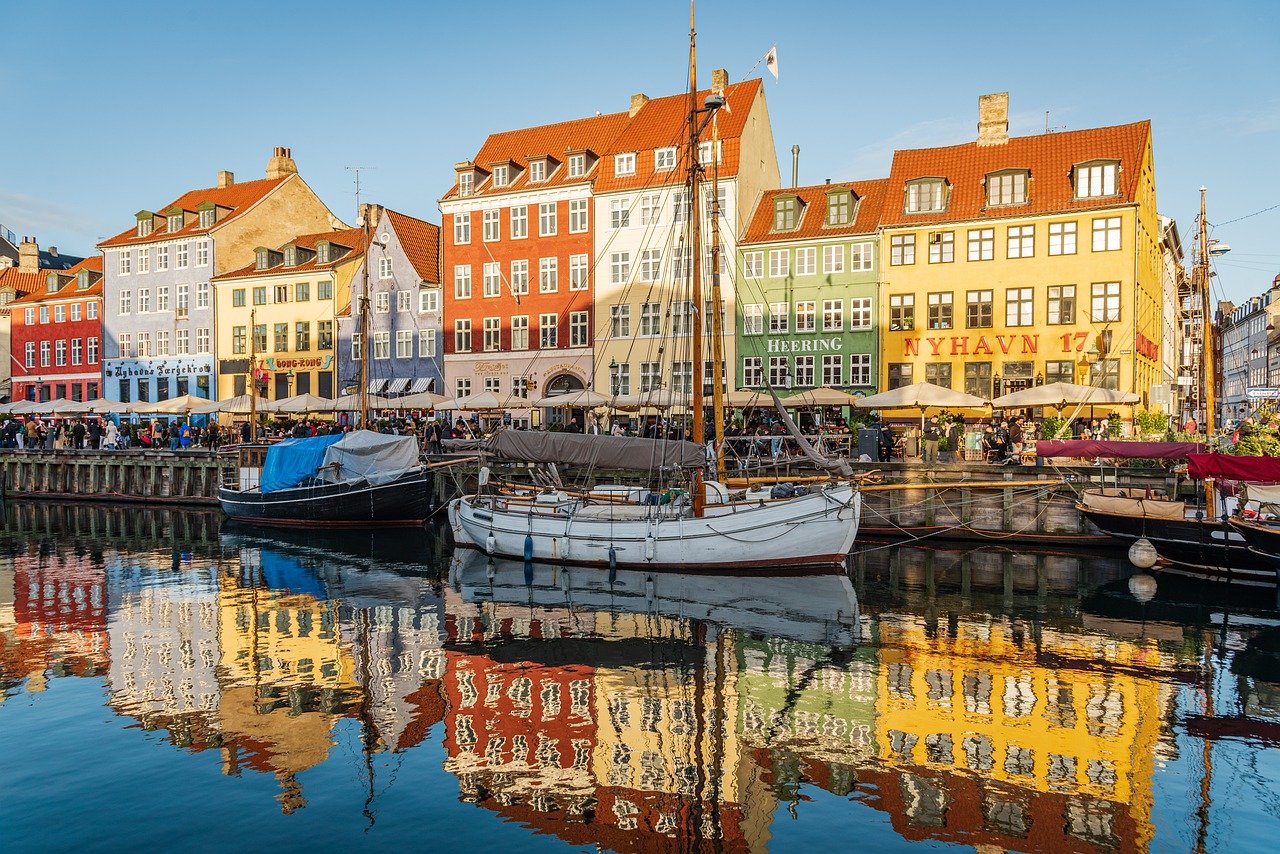
6. Copenhagen: four metro lines and a short airport ride
Copenhagen has the M1, M2, M3 and M4 metro lines, with round-the-clock operation subject to disruption and maintenance arrangements. The M2 links the airport with Kongens Nytorv in approx. 13 minutes aboard the train. Add the accommodation journey rather than treating that figure as door-to-door arrival time. The city also has buses and S-trains, which can be more useful for destinations outside a particular metro corridor.
Fare zones and validity determine what a purchased ticket covers. A museum-and-harbour stay may need a different product from repeated regional excursions, so compare the actual journeys before selecting a tourist card. Cycling is an option for those comfortable with the conditions; a public-transport recommendation should not require every visitor to ride. An accessible route or a simpler interchange can be more valuable than saving a few minutes on the timetable.
London and Paris: historic systems with modern ticket distinctions
7. London: payment consistency matters for pay-as-you-go travel
London has the Underground, buses and rail services including the Elizabeth line, with different routes and fare arrangements. The Underground's first section opened in 1863, but historical fame does not describe the best journey to your hotel. Heathrow, Gatwick and other airports create separate arrival calculations. Choose the relevant service and final station rather than assuming the Tube is the solution for every airport or neighbourhood.
The TfL payment guidance explains using the same card or device to touch in and out on relevant rail journeys; buses and trams use a touch-in-only process. A phone and its associated physical bank card should not be mixed as though the system necessarily treats them as one travel token. Our London–New York comparison places London's transport choices inside a broader visiting-style comparison.
8. Paris: check the product, not only the word metro
Paris combines Métro, RER, buses and other services under a wider regional system. The Métro opened in 1900, while current airport and regional journeys can involve services and fares different from a central station-to-station outing. Charles de Gaulle and Orly access are not interchangeable routes. Read the coverage of the ticket you are buying rather than copying an old description of every journey using one identical paper product.
Navigo Easy and other products solve different tasks and require their stated setup and coverage. A Louvre-area visit and a separate neighbourhood meal can often be connected by a short walk instead of another ride. The Paris dining pages help organise that district-based approach. Choose the correct station exit where possible, particularly with luggage or mobility needs, since a convenient line can still involve a less convenient path through a large interchange.
Additional networks that reward a little local knowledge
9. Prague: ticket time and activation are practical decisions
Prague uses an integrated metro, tram and bus framework, with the metro's first line dating from 1974. Tram 22 is useful for approaching parts of the castle-side area, but it is an ordinary service with its own stop pattern. Pick the stop for your actual visit. A tram can reduce the uphill effort without requiring you to ride a whole route solely because it appears on a tourist checklist.
Time-based tickets require the correct activation or validation for the format purchased. A paper ticket, mobile product and already active pass may have different procedures, so follow Prague Integrated Transport's instructions for your actual choice. Do not validate indiscriminately or assume that simply buying a ticket makes it immediately usable. The Prague article gives visiting context for connecting the Old Town and castle district into separate, realistic days.
10. Berlin: remember that the airport changes the zone
Berlin combines U-Bahn, S-Bahn, trams and buses, with an A/B/C zone structure that affects ticket choice. BER Airport is in zone C, so an AB city product alone does not describe the entire airport journey. Berlin's U-Bahn began operating in 1902; the present system's practical value comes from how it connects the districts you want to visit, not simply the size or age of the network.
A museum area, a neighbourhood such as Kreuzberg and a farther cultural visit can create different routes within one stay. Group the day first, then select the fare coverage. Read station accessibility and current service changes if they affect your journey. A pass is useful when its included rides or attractions match the plan, not when it encourages additional trips you would not otherwise take simply to make a claimed saving look larger.
11. Seoul: connect the districts with the correct card and exit
Seoul has a large metropolitan subway network whose first line opened in 1974. T-money is a familiar stored-value travel option, while specific passes have defined coverage and conditions. Gyeongbokgung and Hongdae illustrate different visiting districts rather than one continuous walking cluster. Decide which service and station exit support the activity, then allow enough time for a large interchange when the route requires one.
Airport rail from Incheon has distinct service options and does not turn every urban travel card into a reserved express ticket. Establish the product you are purchasing before boarding, especially if carrying bags after a long flight. The phrasebook tool can help with simple practical requests. Keep the destination address accessible offline so that a lost connection does not also remove your final accommodation directions at the end of the rail journey.
Compare ticket coverage with the route you actually need
Make a short record of airport travel, daily urban journeys and any regional outing. Count the rides separately, then compare the correct individual fares with a pass covering those exact tasks. The currency tool helps interpret unfamiliar prices, but the operator's current fare determines payment. Confirm current products and prices once you have the route; avoid relying on an old headline price detached from zone, airport or activation conditions.
The European rail guide addresses another distinction: a national or international rail ticket does not automatically include local buses and metro services after arrival. A suitable urban network can make an off-centre accommodation address practical, but only if the final walk and operating pattern suit your schedule. Compare the complete journey to the room rather than selecting a hotel from the number of station symbols nearby.
Plan access, luggage and the return before setting out
An elevator icon deserves attention to the station's actual route and current availability. Large interchanges can require long walks even when the train time is short, while luggage and a child's buggy create additional practical needs. The family city guide considers those decisions within an ordinary day. A well-planned accessible journey may use a bus or a different station rather than the fastest route shown on a map.
Keep one return option and enough payment access for a changed plan. The city-break guide helps place meals and attractions within a coherent day, reducing unnecessary transport altogether. Public transport should support the city visit, not become a test of how many lines you can ride. These eleven networks offer useful options when you understand the product, station and specific journey instead of assuming one city label settles everything.
Frequently asked questions
Is an airport journey included in every city pass?
Airport coverage depends on the product and route, and should never be assumed from the word city in a pass name. Berlin's airport zone and Hong Kong's specialised Airport Express show two different reasons the calculation can change. Read the current coverage for the exact airport service you intend to use before purchasing.
Can I use one bank card for everyone travelling together?
Payment rules depend on the system and product, so do not assume a shared card can provide every traveller with a separate valid journey. Some contactless systems identify each passenger's travel through their own card or device. Use the operator's instructions for your party, particularly where fare caps or entry-and-exit matching apply.
Does a large metro network guarantee an accessible journey?
Network size does not establish step-free access at the stations and exits you need. Read the route-specific accessibility information and current lift status where relevant. Consider a bus, another station or a simpler interchange when it provides a more manageable complete journey than the fastest rail option on the timetable.
Links & Resources
Sources for eleven urban networks
- Tokyo Metro: Nine metro lines within the wider Japanese capital rail system
- Singapore Land Transport Authority: MRT, buses and visitor-relevant transport information
- MTR Hong Kong: Octopus, rail routes and Airport Express products
- ZVV Zurich: The Zurich-area network and zone structure
- Wiener Linien: Vienna U-Bahn, tram and bus journeys
- Copenhagen Metro: All-day metro travel and the airport approach
- Île-de-France Mobilités: Paris ticket products across participating modes
- Prague Integrated Transport: Ticket activation and the Prague multimodal system
- BVG Berlin: City buses, trams and U-Bahn fare information
- Visit Seoul: Visitor orientation for the Korean capital network