Edinburgh vs Dublin: Choosing a Northern Capital
Edinburgh and Dublin are two compact northern capitals with deep literary traditions, lively pubs and a short flight between them. They are often grouped together, but they feel different. Edinburgh is dramatic and hilly, with a castle on a volcanic rock and a medieval Old Town facing a Georgian New Town. Dublin is flatter and more spread along its river and bay, known for Georgian squares, the Book of Kells, traditional music and a famous stout.
This Edinburgh vs Dublin comparison helps you choose one city for a long weekend, or plan a trip combining both. It covers sights, culture, food and drink, costs and practical differences, including the fact that Edinburgh uses the pound and Dublin the euro, and that the two sit in different countries with different entry rules.
Edinburgh vs Dublin at a glance
| Decision | Edinburgh | Dublin |
|---|---|---|
| Daily allowance, approximate 2026 | £120–230 | €130–240 |
| Best fit | Castle, hills, Old and New Towns, festivals | Literary sights, Georgian streets, pubs, music |
| Landscape | Hilly, with Arthur's Seat in the city | Flat centre beside the River Liffey and Dublin Bay |
| Signature drink | Scotch whisky | Stout and Irish whiskey |
| Currency | Pound sterling | Euro |
| Suggested stay | 3 days | 3 days |
The daily ranges are approximate 2026 planning allowances for one person sharing a modest room, with ordinary meals, local transport and some paid sights. Both cities have expensive accommodation, especially Edinburgh during August and Dublin at weekends and around major events. Compare real quotes in the budget estimator, and convert currencies with the currency converter.
Sights: a castle on a rock or a city of Georgian squares
Edinburgh's skyline is dominated by its castle, on a volcanic plug above the city. The Royal Mile runs down to the Palace of Holyroodhouse, while Arthur's Seat, an extinct volcano reaching 251 metres, offers a hill walk in the middle of the city. The Old and New Towns together form a UNESCO World Heritage Site.
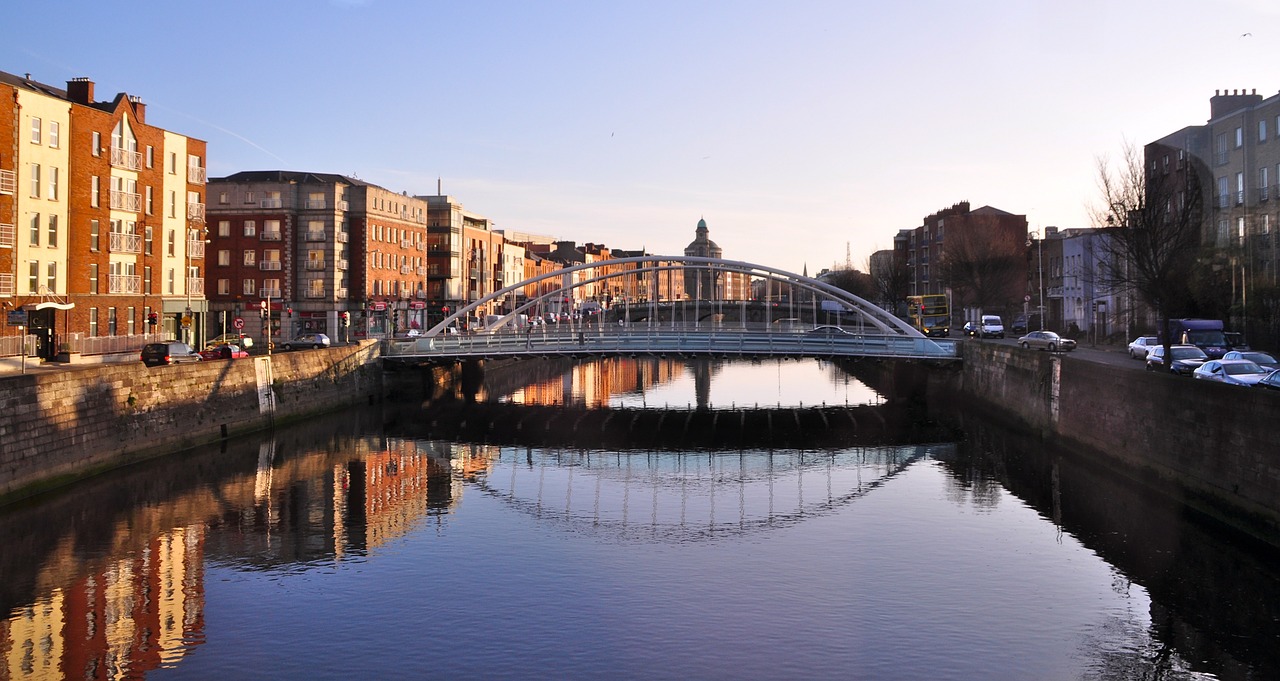
Dublin's highlights include Trinity College, home of the ninth-century Book of Kells, Dublin Castle, St Patrick's and Christ Church cathedrals and the elegant Georgian squares around Merrion Square. The Guinness Storehouse, in the former brewery at St James's Gate, is the city's most visited attraction.
Choose Edinburgh for dramatic setting and views, and Dublin for literary history and a relaxed, social atmosphere. Our Edinburgh guide covers a full itinerary for the Scottish capital. Edinburgh's hills give it more sweeping viewpoints, while Dublin's charm lies in its streets, painted doors and riverside quays, best explored on foot.
Day trips extend each city further. From Edinburgh, Stirling Castle, the Forth Bridges at South Queensferry and the coastal town of St Andrews are all reachable by train or bus. From Dublin, the monastic site of Glendalough in the Wicklow Mountains and the passage tomb of Newgrange, older than the pyramids of Giza, are popular excursions.
Museums and culture
Edinburgh's national museums and galleries are free, including the National Museum of Scotland and the Scottish National Gallery. In August, the Edinburgh Festival Fringe, the International Festival and the Royal Edinburgh Military Tattoo transform the city into the world's largest arts festival.
Dublin's National Museum of Ireland, with its archaeology collection including prehistoric gold and bog bodies, and the National Gallery of Ireland are also free. The city has produced writers including James Joyce, Oscar Wilde, W. B. Yeats and Samuel Beckett, and the Museum of Literature Ireland celebrates them. Bloomsday on 16 June follows the route of Joyce's Ulysses.
Both cities offer excellent literary walking tours. Edinburgh was the world's first UNESCO City of Literature, and Dublin was later named one too. In Dublin, a literary pub crawl mixes readings with stops at historic pubs, while Edinburgh tours follow the paths of Robert Louis Stevenson, Walter Scott and Robert Burns.
Food, drink and nightlife
Edinburgh's food scene ranges from haggis, neeps and tatties to Leith's seafood restaurants and fine dining. Whisky bars in the Old Town offer tastings from Scotland's distilling regions, and traditional pubs often host folk music. Fish suppers from a chip shop and Sunday roasts are cheap, filling options.
Dublin's pubs are central to its social life, with traditional music sessions in places across the city, not only in the Temple Bar district, where prices are higher. Try Irish stew, seafood chowder and soda bread, and a pint of stout. Irish whiskey distilleries, including several in the city, offer tours.
For evening atmosphere, Dublin's pub culture is the stronger draw, while Edinburgh comes alive during its festivals. Both cities have good-value lunch options in pubs and cafés. Many pubs in both cities close between midnight and one in the morning, though late bars and clubs stay open longer.
Getting around and between the two
Edinburgh's centre is walkable but hilly. Lothian Buses and the tram serve the city and link the airport with the centre and Leith. Dublin's centre is flatter; the Luas tram, buses and DART coastal trains cover the city and bay, while Airlink and other buses connect the airport.
Flights between Edinburgh and Dublin take about an hour. Travelling overland involves trains to a port, a ferry across the Irish Sea and onward transport, a scenic but full-day journey. Plan the route with the flight planner and consider an open-jaw ticket into one city and out of the other.
Coastal excursions add variety: from Edinburgh, North Berwick and the Firth of Forth; from Dublin, Howth and Dalkey by DART. Both cities are well placed for longer trips into the Highlands or the Irish countryside. Edinburgh's buses are run by Lothian Buses, while the DART follows Dublin Bay between Howth and Greystones.
Entry rules and practical differences
Edinburgh is in the United Kingdom, and most visitors who do not need a UK visa now need an Electronic Travel Authorisation, including when arriving from Ireland. Dublin is in the Republic of Ireland, which is in the EU but not the Schengen area and sets its own visa rules. The two countries form a Common Travel Area for their own citizens.
Check entry requirements for both countries separately before booking, especially if your nationality requires visas. Use the visa tool to organise the questions. Remember that Edinburgh uses sterling and Dublin the euro, so a card without foreign transaction fees is useful for a two-city trip.
Where to stay in Edinburgh and Dublin
In Edinburgh, the Old Town puts the castle and Royal Mile at your door, while the New Town is flatter, calmer and full of restaurants. Stockbridge and Leith offer a more local feel. A visitor levy applies to most paid accommodation for the first five nights, so check that it is included in the quoted price, and book very early for August.
In Dublin, staying south of the Liffey around St Stephen's Green and Grafton Street is central and convenient, while Temple Bar is lively but noisy at night. Smithfield and the Liberties, west of the centre, are often better value and close to the Guinness Storehouse and the distilleries. Hotels in Dublin are among the most expensive in Europe at busy times.
Both cities are compact, so a central base saves money on transport. If you plan to explore beyond Dublin, Irish Rail runs the DART coastal line and trains to Galway, Cork and Belfast. Dublin's Leap Card gives cheaper fares on buses, Luas and DART than paying cash.
Prices are broadly similar once exchange rates are taken into account, although Dublin's hotels are often among the most expensive in Europe and a pint in central Dublin usually costs more than in Edinburgh. Free national museums in both capitals help balance the budget.
The verdict: which northern capital to choose?
Choose Edinburgh if you want a dramatic setting, a castle, hill walks and world-famous festivals, particularly in August. Choose Dublin if literary history, traditional music and pub culture matter most, and you enjoy a relaxed, sociable city by the sea.
With a week, combine them: three days in each, linked by a short flight. If you are adding London, our London guide covers the capital and the train north to Edinburgh. To compare your own priorities, try the city comparison tool, and explore our walking city guide for more compact destinations.
Seasons and timing
Both cities have mild, changeable weather, with rain possible at any time. May to September offers the longest days. August is Edinburgh's busiest and most expensive month because of the festivals, while Dublin is busiest around St Patrick's Day on 17 March and major sporting events. Compare months with the seasonal planner.
Winter is dark and cool but atmospheric, with Edinburgh's Hogmanay celebrations at New Year and Dublin's Christmas lights. Pack waterproofs and layers in any season. In December the sun sets before four in the afternoon in Edinburgh. Pack a warm, waterproof jacket for both.
Frequently asked questions
Is Edinburgh or Dublin better for a weekend break?
Both work well. Edinburgh offers a castle, dramatic views and free national museums in a compact, hilly centre, while Dublin offers literary history, Georgian streets and a lively pub scene. Choose based on whether landscape or nightlife matters more.
Do I need an ETA to travel from Dublin to Edinburgh?
Most visitors who do not need a UK visa require an Electronic Travel Authorisation to enter the UK, including when arriving from Ireland. Irish and British citizens are exempt. Check the official UK guidance for your nationality before travelling.
How do you get from Edinburgh to Dublin?
Direct flights take about an hour and are the quickest option. Overland routes combine trains and a ferry across the Irish Sea and take most of a day. Booking an open-jaw itinerary avoids having to return to your arrival city.
Links & Resources
Tourism, culture and entry
- Forever Edinburgh: Edinburgh events and attractions.
- Visit Dublin: Dublin sights, music and events.
- Edinburgh Castle: Tickets and opening times.
- National Museum of Ireland: Free archaeology and history collections.
- Guinness Storehouse: Tickets and experiences.
- Dublin Airport: Terminals and transfers.
- UK government — Electronic Travel Authorisation: Entry to Edinburgh and the UK.
- UK government — Ireland travel advice: Practical guidance for Dublin.
On GuesTheCity
- Explore the map for Edinburgh and Dublin: See both capitals across the Irish Sea.
- Play the Capitals game: Practise recognising world capitals before your trip.