7 Best Cities for Honeymooners: Nights, Seasons and Splurges
A city honeymoon can combine good food, culture and a comfortable base without requiring a resort stay. The difficult part is deciding how much energy you will have after the wedding and how much of the budget to spend on accommodation rather than transfers or special activities. This guide uses seven cities to examine length, season and one deliberate splurge, instead of treating every romantic landmark as a compulsory honeymoon appointment.
The suggested night counts are planning examples, not minimum requirements or package offers. They assume that the arrival day is kept light and that at least one session remains unbooked. For shorter shared experiences, the romantic city-break selection supplies the couples' getaway angle. A honeymoon needs an additional question: does the whole route leave enough room to rest and enjoy the occasion?
Start with recovery time and the season
If the wedding finishes late and the honeymoon starts the next morning, a complex multi-stop flight can make the first two days feel like another event to manage. Consider a later departure or a restful first base. A city with four worthwhile neighbourhoods does not require four hotel changes. The flight tool can organise possible routes, but assess airport transfers and arrival time alongside the headline flight duration.
Season is more specific than choosing summer. Cape Town's generally wetter winter differs from Lisbon's summer heat; Kyoto's humid summer differs from its autumn walking season. The best-time planner helps compare those patterns without promising perfect weather. Begin with the month available, then select the city and the experience that remain appealing if one outdoor plan has to change.
European stays with a comfortable daily rhythm
1. Paris: 5 nights, with one hotel or dining upgrade
For Paris, a five-night example gives four usable days without requiring the arrival afternoon to carry the sightseeing burden. Choose a base near the neighbourhoods you most want to enjoy, then allocate one museum day and one lighter Seine-and-gardens day. The Eiffel Tower opened in 1889, but a honeymoon need not revolve around reaching its highest possible viewpoint. September or May can suit walking, while individual weather and demand still vary.
The possible splurge is a room you will actually enjoy spending time in, or one tasting-menu dinner if food is the main shared interest. Pick one, rather than paying premium prices for everything because the trip has a special label. The Paris restaurant collection helps organise dining ideas. If Versailles is important, add it as a separate day and reduce another commitment; do not let an excursion consume the rest session the itinerary was designed to preserve.
2. Venice: 4 nights, with one private water experience
Venice suits a four-night honeymoon example with time in Dorsoduro and Cannaregio as well as San Marco. Venice and its Lagoon were inscribed by UNESCO in 1987. The stay works best when arrival luggage and the hotel's actual boat or walking connection are understood beforehand. Late spring or early autumn may appeal, but the city's busy calendar and weather should shape the exact dates.
One possible splurge is a private boat outing whose length and route you choose together. That is separate from ordinary vaporetto travel and should be valued for the experience, not simply the word private. Confirm the current fare and inclusions with the operator. A room in the historic city can also be worth more than an elaborate transfer every day. Current city access arrangements depend on dates and visitor category, so establish how your overnight stay is treated before arrival.
3. Lisbon: 5 nights, with one special meal
For Lisbon, five nights allow Baixa, Alfama and Belém to occupy different sessions, with space left for recovery and a possible excursion. The downtown grid reflects rebuilding after the 1755 earthquake. September and October often interest travellers who want outdoor time without the height of summer, though this is climate context rather than a guarantee of warm evenings.
Choose a dining splurge in a restaurant whose menu and setting both appeal, then keep other meals ordinary and flexible. The Lisbon restaurant page can provide a shortlist. A Sintra outing is optional and uses a meaningful day; a beach excursion also adds transport. If the honeymoon's main purpose is rest, stay within Lisbon's neighbourhoods and riverfront rather than converting five nights into a compulsory tour of every nearby attraction.
Long-haul choices where time zones and climate matter
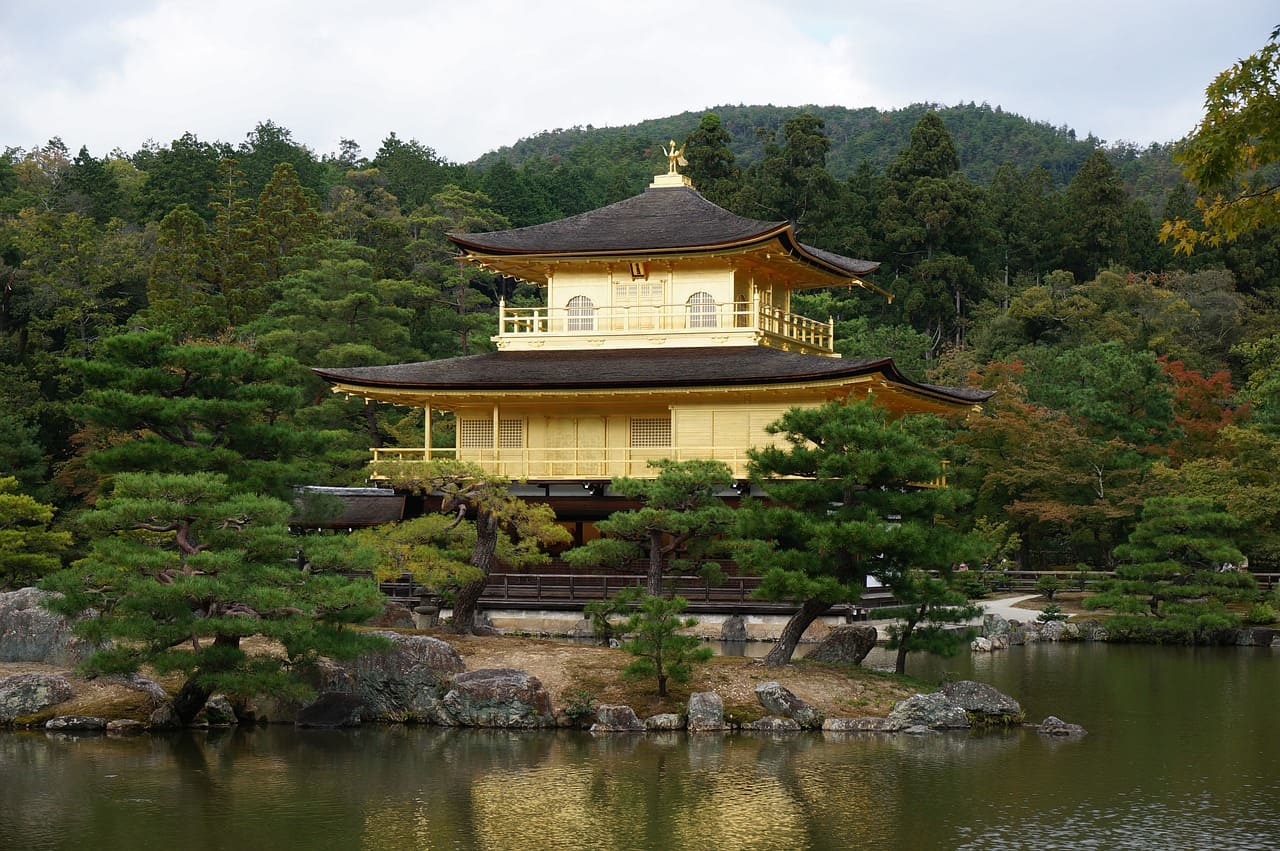
4. Kyoto: 6 nights, with one ryokan or cultural experience
Kyoto works as a six-night example when arriving from far away, because recovery and selective temple visits need time. Higashiyama, the Kamo River and Arashiyama are different areas, not one continuous day walk. Kiyomizu-dera's current main hall dates from 1633. Autumn can suit the garden interest, while cherry-blossom dates in spring are variable and should never be sold as certain for a booked week.
The possible splurge is a carefully selected ryokan night or a private cultural session with a qualified provider. Read the room, meal and bathing arrangements before assuming every ryokan offers the same privacy or comfort. The Kyoto dining list supplies another route for couples whose main interest is food. Keep the first morning gentle after a long flight, and do not replace a honeymoon's calm with an itinerary that crosses the city repeatedly to collect temple names.
5. Cartagena: 5 nights, with one well-defined excursion
Cartagena can support a five-night stay centred on the historic city, Getsemaní and relaxed meals. The port, fortresses and monuments became a UNESCO site in 1984. Heat and humidity shape the day, so a comfortable room and a midday break can be more valuable than squeezing in an extra guided walk. The generally drier early-year period attracts interest, but conditions and demand need date-specific consideration.
One possible splurge is a small-group or private offshore outing with a clearly identified operator, destination and return arrangement. A city honeymoon and an island resort holiday are different products: Cartagena's old centre is not a secluded beach. Choose the city for streets, food and historical context, then add water time only if it fits. Arepa de huevo offers a named local snack, while a carefully selected evening meal can be the highlight without another transfer.
Warm-climate stays with a strong sense of place
6. Marrakech: 4 nights, with a riad upgrade
Marrakech suits a four-night honeymoon example when the priority is a distinctive accommodation base, gardens and food rather than constant movement. The medina became a UNESCO site in 1985. Spring or autumn often appeal more than the hottest summer period. Choose the riad for its actual room, courtyard, access and noise setting; attractive photographs do not establish how restful the property will feel.
The suggested splurge is that accommodation choice, with the rest of the visit kept simple. A garden session, a guided historical walk and one tangia or tagine meal are enough to give the stay structure. The Marrakech restaurant guide can support the dining choice. A desert camp advertised from the city may involve many hours of road travel or a different nearby landscape, so identify the location before treating it as a casual honeymoon evening.
7. Cape Town: 6 nights, with one guided day outside the centre
For Cape Town, six nights allow room for weather-dependent mountain access and separate coastal, museum and neighbourhood sessions. Table Mountain's highest point is 1,086 metres. The generally drier summer period falls around the southern hemisphere's warmer months, unlike European summer. The cableway operator publishes access information, and wind can change the day's available options.
One possible splurge is a guided peninsula or winelands day with transport included, chosen for your shared interest rather than combining both into an exhausting circuit. Keep it separate from a city-focused day. The V&A Waterfront, Sea Point and a chosen museum supply alternatives if the mountain is unavailable. A honeymoon in Cape Town can include beaches, but the cold Atlantic water around parts of the city is not equivalent to a warm-water resort promise.
Give the splurge a purpose and protect the ordinary days
A worthwhile upgrade solves something concrete: better sleep, a view you will use, a guide who makes a subject understandable or a meal that interests both people. An expensive transfer or a packed collection of premium tickets may add cost without improving the stay. Use the budget planner to give the chosen treat its own line, then retain ordinary meals and local transport as normal parts of the visit.
For an illustrative five-night Lisbon plan, make arrival a short riverfront evening, give day two to the centre, day three to Belém and day four to either Sintra or a rest-and-food day. Put the special dinner after a light afternoon. The last full day can remain flexible, with departure kept free of major reservations. These are planning examples, not claims about exact opening hours or a purchasable package.
Discuss what each person means by rest before booking. One may enjoy a museum while the other wants an afternoon without tickets; neither preference is less worthy of a honeymoon. The slow-travel city selection can help if a longer single-base stay appeals. The city-break planning guide offers a method for spacing activities without turning every day into a timetable to obey.
Before paying for a major trip, review the relevant country guidance, including local laws and entry conditions that affect you. Couples' circumstances differ, and a tourism description does not establish suitability for every relationship or traveller. For live prices and hours, confirm each booked accommodation, performance or operator once using its own current information. The remaining planning can rely on the concrete districts, geography and seasonal patterns described here.
Frequently asked questions
How long should a city honeymoon last?
Four to six nights is a useful starting range for these examples, with more time appropriate after long-haul travel. Count usable days rather than nights alone, especially when flights arrive late or depart early. A single comfortable base can feel more celebratory than several short stays joined by tiring transfers.
Is it better to spend more on a hotel or an activity?
Choose according to how you expect to use the trip. A room upgrade can matter if rest and time together indoors are priorities, while a guided outing or exceptional meal may suit a shared interest better. Select one principal splurge first, then decide whether another expense contributes enough to justify it.
Can a city honeymoon include beach time?
Some options can include coastal outings, but the experience varies considerably. Cartagena's historic centre is not an island resort, Lisbon's beach trips require transport and Cape Town's Atlantic water can be cold. If daily easy swimming is central to the honeymoon, choose the beach location explicitly rather than assuming the city name guarantees it.
Links & Resources
Official tourism and planning sources
- Paris visitor information: Visitor information for Paris
- Venezia Unica: Visitor information for Venice
- Kyoto Travel: Visitor information for Kyoto
- Moroccan National Tourist Office: Marrakesh: Visitor information for Marrakech
- Colombia Travel: Cartagena: Visitor information for Cartagena
- Cape Town tourism: Visitor information for Cape Town
- Visit Lisboa: Visitor information for Lisbon
- UK advice: Morocco: Personal travel considerations