9 European Cities for a Weekend Getaway: Two-Day Routes
A European weekend getaway works when the route fits two visiting days, rather than trying to reproduce a week-long holiday in miniature. Prague's castle district, Bruges canals and Porto's riverfront each suggest a different weekend. The useful question is which city gives you a few experiences you really want, with meals and travel woven into the same area instead of booked on opposite sides of town.
These nine itineraries assume two substantial days in the city, with arrival and departure considered separately. A late Friday flight and early Sunday return will need a shorter version. Clock times are suggested local planning points, not published attraction sessions or transport departures. Follow the current admission arrangements for the one experience you choose to reserve, then leave ordinary walks and pauses flexible enough for weather and an interesting street.
Historic centres with two distinct visiting days
1. Prague: Old Town first, castle district second
Prague suits a history-led weekend when you keep the river crossing and castle area distinct from the first central day. Begin day one around 09:00 with Old Town Square, then use the morning for nearby streets and the Jewish Quarter according to your interests. Take lunch at 12:30 and approach Charles Bridge later as part of the walk, rather than treating every famous building as another compulsory paid interior.
Day two can start around 09:30 in the castle district, with a chosen interior visit followed by Malá Strana. Prague Castle contains several buildings, so read the circuit you are buying instead of assuming the complex is one quick room. A tram journey can save energy on the ascent. Use the Prague guide for deeper context, and keep the final station or airport journey outside the optional afternoon exploring.
2. Bruges: canals and paintings, then a gentler southern walk
Bruges gives a compact weekend a natural centre around Markt, Burg and the canals. On the first day, try a 09:30 orientation walk and a late-morning chosen museum visit, followed by lunch at 13:00. The Groeningemuseum provides an art-led option if its current programme interests you. A canal outing can be another possibility, but keep its actual departure arrangements separate from your illustrative timetable.
Reserve day two for a slower route towards the Beguinage and Minnewater, with time to return for lunch before collecting luggage. The railway station lies beyond the historic centre, so do not treat reaching it as an instant transition from a café table. Our city-break planning guide includes a worked Bruges schedule. Use that method to shorten this route if your Sunday departure removes most of the second day.
3. Ljubljana: river life with a castle anchor
Ljubljana works for a weekend where the Ljubljanica, Central Market and castle provide a clear first-day framework. Start around 10:00 with the riverfront and market area, have lunch nearby and give the castle a deliberate afternoon slot. Choose the uphill walk or funicular according to your mobility and energy. The centre's compactness should provide time to enjoy the outing, not pressure to add unrelated excursions before dinner.
For day two, combine a museum or gallery of your choice with a longer café pause and Tivoli Park if the weather suits. Ljubljana's Tivoli is a public park, distinct from Copenhagen's amusement gardens of the same name. Keep the day adjustable and eat in the area you are already visiting. A short stay here can be satisfying without a day trip that replaces most of your available city time.
Art and architecture with a focused cultural booking
4. Vienna: central culture and a separate palace day
Vienna is a good weekend fit when you choose between its substantial collections instead of attempting all of them. Start day one at 09:30 around the Ringstrasse and reserve a late-morning museum visit that matches your interests. The Kunsthistorisches Museum is one possible anchor. Put lunch and a coffeehouse pause in the same central day, then use the evening for a performance only if the programme is a priority.
Day two can focus on Schönbrunn rather than another run through central interiors. Include its U-Bahn journey and the grounds as well as the palace ticket you selected. Alternatively, choose the Belvedere for an art-led second day and save Schönbrunn for a longer stay. The Vienna dining guide helps place a meal sensibly, while the three-capital comparison explains how Vienna differs from another nearby weekend option.
5. Florence: one major gallery and a river crossing
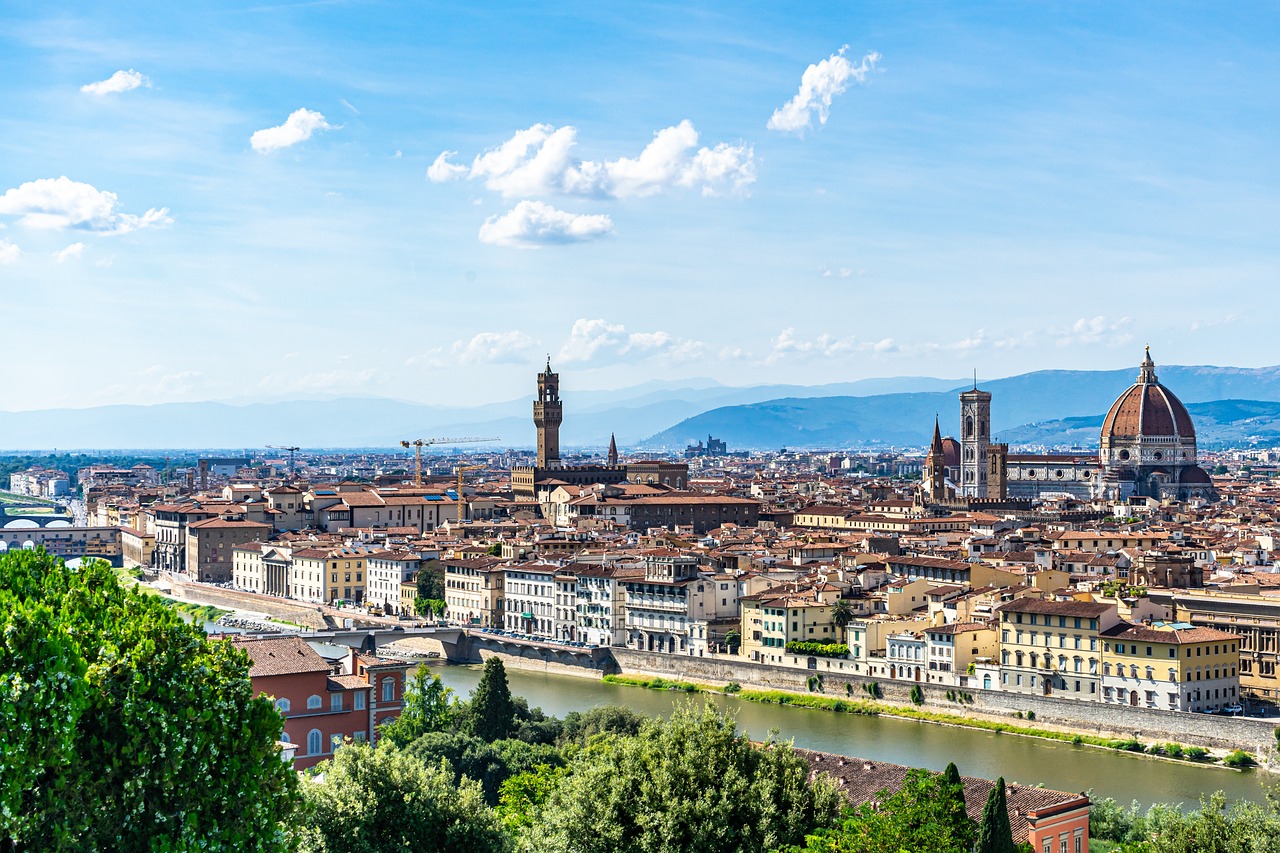
Florence suits a weekend built around art, but a reservation chain through every major collection leaves little time for the streets. Give day one a 09:00 cathedral-area walk, then a chosen gallery slot and lunch in the centre. The Uffizi is a substantial visit, not a short pause between other appointments. Keep the afternoon around Piazza della Signoria and Ponte Vecchio instead of adding another distant timed attraction.
On day two, explore the Oltrarno and Santo Spirito area, with an optional uphill viewpoint outing if the weather and your energy fit. The Florence restaurant pages can support a neighbourhood meal rather than another walk back across the city for dinner. A viewpoint is a separate ascent with its own effort; the historic centre's manageable size does not make every hill or gallery visit instantaneous.
6. Seville: palace day, then another side of the river
Seville offers a clear first day around the cathedral area, Santa Cruz and one chosen substantial interior. An early 09:00 start is useful for a warmer-weather walking plan, with lunch before a simpler afternoon. Reserve the Real Alcázar if it is the priority and give its gardens time. The palace's official site explains admission rather than a generic reseller description of a quick highlights stop.
Day two can place Triana and the Guadalquivir waterfront together, with Plaza de España as another distinct outing if time permits. Do not join every area into one uninterrupted midday walk during strong heat. A seated lunch and an indoor interval can make the weekend more enjoyable. If you travel during Semana Santa or another major event, expect the street and accommodation situation to differ from this ordinary-weekend outline.
Riverfront weekends and an old-town coast
7. Lisbon: centre and hills, then a Belém outing
Lisbon needs a two-day route that respects its separate districts. Use day one for Baixa and one chosen hillside area, with a 10:00 start and an unhurried lunch around 13:00. Alfama's streets and viewpoints can provide the afternoon theme, but the gradients matter. Avoid booking a room that creates an additional steep climb each night without considering whether you will enjoy that final journey.
Devote day two to Belém if its monuments interest you, rather than repeatedly travelling there between unfinished central visits. Choose one paid interior and a riverfront walk, then allow time to return and collect luggage. A pastel de nata gives a café stop a specific local purpose, while the Lisbon restaurant guide helps select a fuller meal. Read the actual visiting hours for your chosen monument once the travel dates are fixed.
8. Porto: upper streets before the lower waterfront
Porto rewards a weekend that handles its slopes deliberately. On day one, begin around São Bento at 09:30, explore the central streets and take lunch before going down towards Ribeira. São Bento's azulejo panels give the station a reason to appear on the route beyond simply using it for transport. Stay near the waterfront for the afternoon instead of climbing uphill repeatedly because the plan alternates between unrelated stops.
On day two, choose a bridge crossing and a booked wine-cellar visit in Vila Nova de Gaia if that experience interests you. Allow time for the ascent and the return, especially when travelling with luggage later. The Porto dining pages offer meal ideas independently of a wine-led itinerary. Our walking-city selection explains why a compact city still needs honest attention to gradients and surfaces.
9. Dubrovnik: old-town streets and a substantial walls visit
Dubrovnik suits a weekend focused on its Old Town rather than a large sequence of coastal excursions. Day one can begin around 09:00 on Stradun, continue into side streets and leave time for a chosen museum or historic interior. Crowds and sun exposure can change the experience, so a quiet early walk is a planning preference rather than a guarantee that the streets will be empty.
Use day two for the city walls if you want the views and can manage the route, steps and exposure. The circuit is approx. 2 km and should be treated as an activity, not a quick extra before leaving. The walls' official visitor information gives current access and ticket details. Keep an easier street-level alternative and do not add a boat excursion unless its return leaves a comfortable margin for your onward journey.
Check whether your arrival really supports two days
Price the transport timetable and room together. The flight planner identifies the air leg, but write down when you can start exploring after the airport transfer and baggage arrangements. A late arrival followed by an early return may need only one of the city routes above. A slightly more expensive flight can sometimes buy enough usable hours to make the two-night stay substantially more valuable.
For a rail arrival, use the exact station and booking conditions. The European train guide distinguishes journey time from station processes and seat arrangements. Do not apply a domestic train buffer to a Eurostar departure with formal controls. If your route changes cities, the city comparison page helps you decide whether combining them genuinely improves the weekend or merely consumes the time you wanted to spend visiting.
Choose the dates and bookings that protect the route
The best-time planner helps match the destination to weather and daylight, but event demand still needs a date-specific view. Seville in midsummer, Dubrovnik on a busy warm-season day and a Vienna performance weekend ask for different practical decisions. Confirm prices, current admission times and required booking arrangements on the attraction's official site, then keep ordinary neighbourhood walks flexible rather than reserving every possible hour.
Choose accommodation around your actual route and arrival point, not simply an address labelled central. The packing checklist helps keep a short break manageable on foot and public transport. A museum morning, neighbourhood lunch and one afternoon area can be a full successful day. The purpose of these nine itineraries is to give you a starting shape, with enough room to shorten it when weather, energy or an interesting visit changes the plan.
Frequently asked questions
Do these itineraries require two full sightseeing days?
They assume two substantial visiting days, with arrival and departure handled separately. A late Friday arrival and early Sunday return creates a shorter holiday even with two accommodation nights. Use the city's first route as the main day and retain only nearby optional activities if your travel timetable removes most of the second day.
Which weekend city is best for a compact first trip?
Bruges and Ljubljana offer relatively compact central routes, but the best choice depends on the activities you want and the journey available from home. Bruges still requires a station-to-centre leg, while Ljubljana's castle adds an ascent or transport choice. Compare complete arrival plans and accommodation rather than deciding from city size alone.
How many attractions should I pre-book for a weekend?
Reserve the activities with limited capacity that matter most to you, usually one main anchor per day for these routes. Keep meals and ordinary walks geographically close to it. A flexible afternoon can be more useful than another timed ticket when the first collection, garden or neighbourhood holds your attention longer than expected.
Links & Resources
Sources for nine two-day itineraries
- Prague tourism: Nine two-day itineraries: prague areas and visitor planning
- Visit Bruges: Nine two-day itineraries: bruges areas and visitor planning
- Visit Ljubljana: Nine two-day itineraries: ljubljana areas and visitor planning
- Vienna tourism: Nine two-day itineraries: vienna areas and visitor planning
- Feel Florence: Nine two-day itineraries: florence areas and visitor planning
- Seville tourism: Nine two-day itineraries: seville areas and visitor planning
- Visit Lisboa: Nine two-day itineraries: lisbon areas and visitor planning
- Visit Porto: Nine two-day itineraries: porto areas and visitor planning
- Croatian National Tourist Board: Nine two-day itineraries: Dubrovnik and the wider Croatian coastal setting