The Best Time to Visit Europe: A Month-by-Month Guide
The best time to visit Europe depends on the trip you want, not a season printed beside the continent's name. Tulip fields near Amsterdam, an afternoon in a Seville courtyard and a long Copenhagen harbour evening belong to different calendars. A month that suits a northern walking holiday can feel demanding on a Mediterranean sightseeing route, even when both places are described as summer destinations.
Use this month-by-month guide to connect dates with regions, daylight and the experiences that matter to you. It separates recurring seasonal patterns from events whose exact dates need a current programme. There is no promise that spring is always cheap or autumn always quiet: a major fair, public holiday or school break can change a particular city's accommodation demand while leaving its usual climate unchanged.
January and February: choose the winter experience deliberately
January and February suit a trip built around collections, performances and cafés when you are comfortable with short daylight and cold weather. In Vienna, a museum visit and a coffeehouse afternoon create a coherent winter day without requiring long outdoor hours. Prague has a similar indoor-and-street combination, but snow on a famous bridge is a possibility, not an experience that a January booking can guarantee.
In London and Paris, plan a substantial indoor anchor and shorter neighbourhood walks around it. A clear winter afternoon can be attractive, yet an itinerary dependent on sitting outdoors for several hours may disappoint. Compare the complete hotel-and-transport bill for your dates. A city can be quieter after the festive season while still having busy weekends, exhibitions or a school holiday that affects the exact stay you are pricing.
Winter in southern Europe is generally a different proposition from winter in the north, but it is not a guarantee of beach conditions. Seville can suit architecture and food outings more comfortably than its hottest months. Venice's Carnival often falls around February, with dates linked to the Easter calendar; Venice therefore needs its own event-led assessment rather than a blanket low-season assumption. Choose winter for what it offers, not only for a hypothetical discount.
March and April: separate early spring from full bloom
March is a transition month across much of Europe. Trees and gardens do not reach the same stage in every region, and an early spring visit farther north can still feel wintry. Pack layers and retain an indoor option. For Amsterdam, spring flower plans should distinguish the city from the bulb-growing areas outside it; seeing canals and visiting flower fields are related outings, not the same urban attraction.
Keukenhof has a short spring opening season, normally within March–May. The Netherlands tourism tulip guide explains the surrounding bulb-field season, broadly from late March to mid-May. Flower stages depend on weather, so choose the date and travel arrangement with that variability in mind. King's Day is associated with 27 April, with calendar exceptions; it can change transport, street activity and accommodation demand. A quiet canal weekend and a national celebration require very different expectations even within one month.
Easter can fall in March or April, shifting holiday demand and opening arrangements. In Seville, Semana Santa brings major religious processions rather than ordinary sightseeing conditions, and visitors should leave working routes and worship space clear. In Milan, the Salone del Mobile programme identifies the annual design fair's dates. An appealing spring week can therefore be a high-demand accommodation period for reasons unrelated to the weather.
May and June: broad daylight, with destination-specific limits
May and June often provide a useful balance for temperate European cities: longer outdoor days, open parks and enough light for an evening walk after a museum visit. Paris river outings, London gardens and Vienna's public spaces fit this pattern. May's appeal does not mean every date is inexpensive; public holidays and school calendars can influence individual weekends. Our spring city selection offers destinations once you have chosen the kind of seasonal experience you want.
For Seville and other southern inland cities, late spring may already call for a morning-led walking route and an indoor afternoon. Book accommodation suited to the conditions rather than treating cooling as an unnecessary luxury. A shorter midday outing can improve the holiday more than another distant attraction. The packing tool helps organise light layers and weather protection around the actual region, not a generic European spring wardrobe.
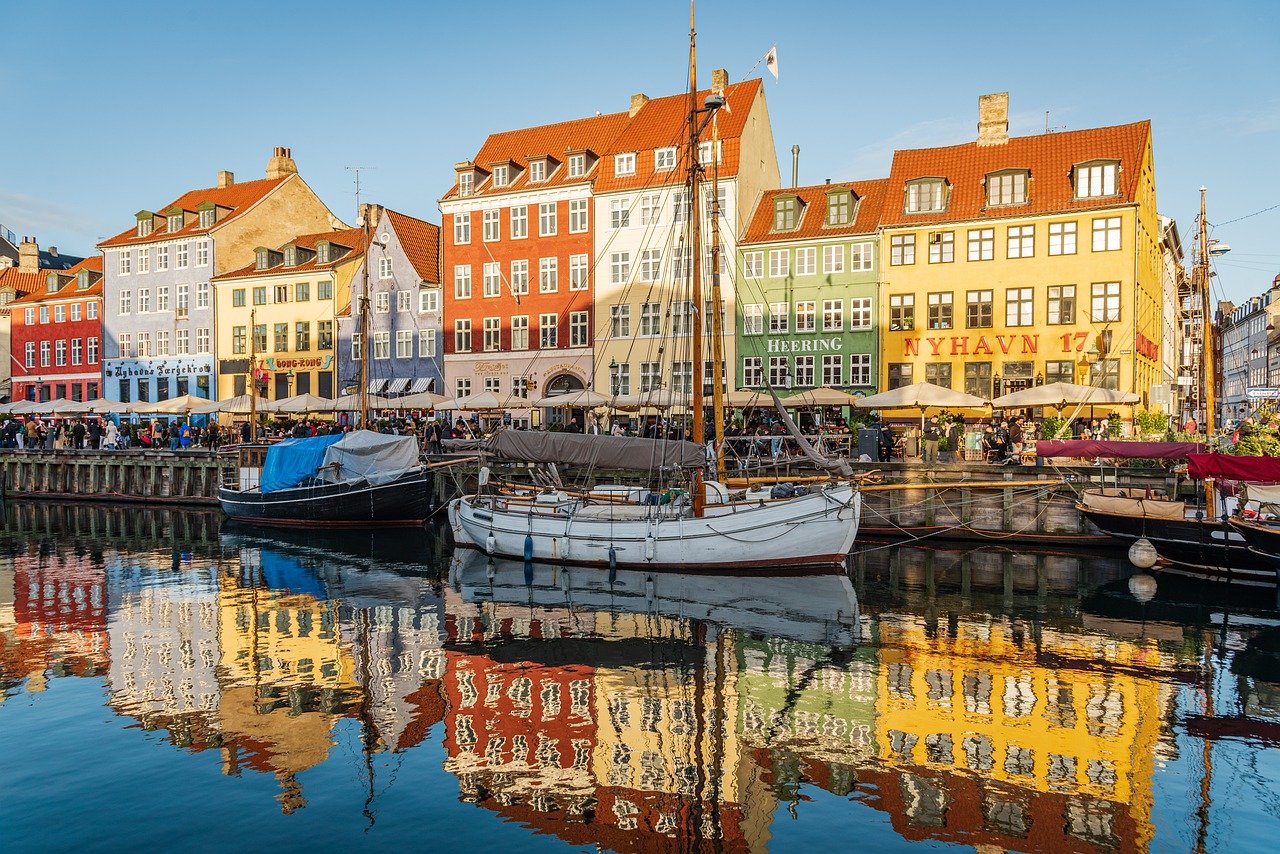
June becomes especially useful for northern urban days. Copenhagen offers harbour and neighbourhood outings with long evenings, while Bergen has extended daylight but can still be wet. Bergen lies south of the Arctic Circle and does not have the midnight sun. Do not copy photographs from far northern Norway onto a Bergen itinerary. Longer daylight gives you flexibility, not an obligation to fill every possible hour with activity.
July and August: plan around heat and holiday demand
July and August can work well for Nordic cities, outdoor cultural programmes and trips whose main purpose includes warmer weather. They are less automatically suitable for long exposed walks in southern inland centres. In Seville, put the main outdoor visit early and make the afternoon simpler. Heat tolerance, shade and your accommodation's comfort matter more than a broad statement that summer is the best time to be in Europe.
Paris's national celebration on 14 July can affect particular streets, transport and visitor arrangements. In other cities, a summer festival or sporting event can similarly change the route you expected to follow. Popular coastal destinations and school holidays may increase accommodation demand, but there is no single price increase to apply across Europe. The budget estimator is useful for comparing your actual room quotations with a slightly different date combination.
August can also alter ordinary routines. Some smaller businesses take annual breaks while major attractions remain active, so a city's calendar may look different from a weekday visit in another month. Munich offers parks and cultural visits, and Copenhagen can support a harbour-centred day, but neither guarantees dry weather. Leave one indoor alternative in the same district rather than responding to rain with an unplanned trip across the entire city.
September and October: distinguish early autumn from late autumn
September often retains enough warmth for outdoor meals and walking in southern destinations while removing the strongest midsummer heat. Northern evenings shorten sooner, and a late-October outing feels different from one in early September. For Prague and Vienna, autumn parks can complement cultural visits, but leaf colour is a weather-dependent process. Do not present a specific foliage week as though it were a fixed admission slot.
Munich's Oktoberfest usually begins in September despite its name, creating an important event exception to the claim that autumn is always a quiet shoulder season. Major race weekends, trade events and university-related demand can affect other cities. Compare exact dates before buying a fare. Our autumn destination article focuses on city experiences, while this guide keeps the broader distinction between seasonal climate and local demand visible.
For a walk-heavy trip, the earlier autumn window may offer more daylight flexibility than the later one. In Amsterdam, a museum-led stay can still work well as weather becomes less predictable. The European rail guide helps combine cities without treating every transfer as another full visiting day. Fewer bases and an indoor anchor make the itinerary easier to adjust when an attractive autumn forecast changes.
November and December: work with darkness and festive dates
November is useful for a deliberately indoor cultural holiday, provided you accept shorter days and variable weather. It is not automatically a failed version of summer. A late-afternoon gallery visit, an early dinner and a performance can form a satisfying city day. In Bergen, give rain and daylight a clear role in the schedule rather than assuming a mountain or fjord outing will behave like a quick urban museum visit.
December's Christmas-market atmosphere is tied to individual opening programmes. Vienna, Prague and Strasbourg have distinct market settings, but not every market remains open through New Year. Plan from the event you want to attend and read its current dates once. Our Christmas-market guide considers those destinations in more detail, without turning all of December into one guaranteed festive operating schedule.
Holiday closures and transport timetables matter around 24–26 December and New Year. A museum-centred plan needs enough open attractions to support the days you are there, while a restaurant reservation may become more important on a holiday evening. The Vienna dining pages can help select a deliberate meal. Keep the final departure journey visible, since the ordinary weekday service pattern is not a reliable assumption for every holiday date.
Turn the seasonal guide into a date decision
Use the calendar as a shortlist rather than a verdict. First choose whether your priority is gardens, outdoor evenings, museums, markets or a specific festival. Then match that priority with the region and compare two useful date combinations. Our city-break planning method explains usable hours, which remain important when a cheaper flight leaves you with very little daylight at the destination.
A compact seasonal overview can help you spot mismatches before booking. March–April suits some spring garden plans; May–June often supports temperate walking; July–August favours a considered northern or coastal plan; September–October needs a distinction between early and late autumn; November–February rewards indoor anchors and specific winter experiences. These are recurring planning patterns, not claims that weather or prices are uniform within each interval.
Finally, protect one experience that gives the trip its purpose and leave an alternative for a weather change. The Paris restaurant guide can place a meal near a museum, while a city comparison helps choose between two genuinely different seasonal options. A good date is one that fits your interests, practical route and budget together. It does not need to be the month most often described as Europe's universal sweet spot.
Frequently asked questions
Is spring always the cheapest time to visit Europe?
Spring can offer suitable weather for some routes, but Easter, fairs and major celebrations can make particular dates expensive. Compare transport and accommodation together for the actual stay. A lower seasonal reputation does not determine the price of a specific hotel during King's Day, Semana Santa or a large trade event.
Does a summer trip to Norway guarantee the midnight sun?
Midnight sun depends on latitude and season, and it is not a feature of every Norwegian city. Bergen has long summer days but lies south of the Arctic Circle. Choose the actual location for the phenomenon you want rather than applying a photograph or claim from far northern Norway to the whole country.
Should I choose September or October for an outdoor city break?
The answer depends on the city and your tolerance for shorter days and changing weather. Early September and late October are materially different planning windows, especially in northern Europe. Use a region-specific seasonal view, include a suitable indoor alternative and compare the precise dates with local event demand before booking.
Links & Resources
Sources for Europe seasonal planning
- I amsterdam: Europe seasonal planning: amsterdam areas and visitor planning
- Seville tourism: Europe seasonal planning: seville areas and visitor planning
- Visit Copenhagen: Europe seasonal planning: copenhagen areas and visitor planning
- Vienna tourism: Europe seasonal planning: vienna areas and visitor planning
- Prague tourism: Europe seasonal planning: prague areas and visitor planning
- Paris visitor information: Europe seasonal planning: paris areas and visitor planning
- Visit London: Europe seasonal planning: london areas and visitor planning
- Visit Bergen: Europe seasonal planning: bergen areas and visitor planning