Florence Travel Guide: Sights, Neighbourhoods & Tips for 2026
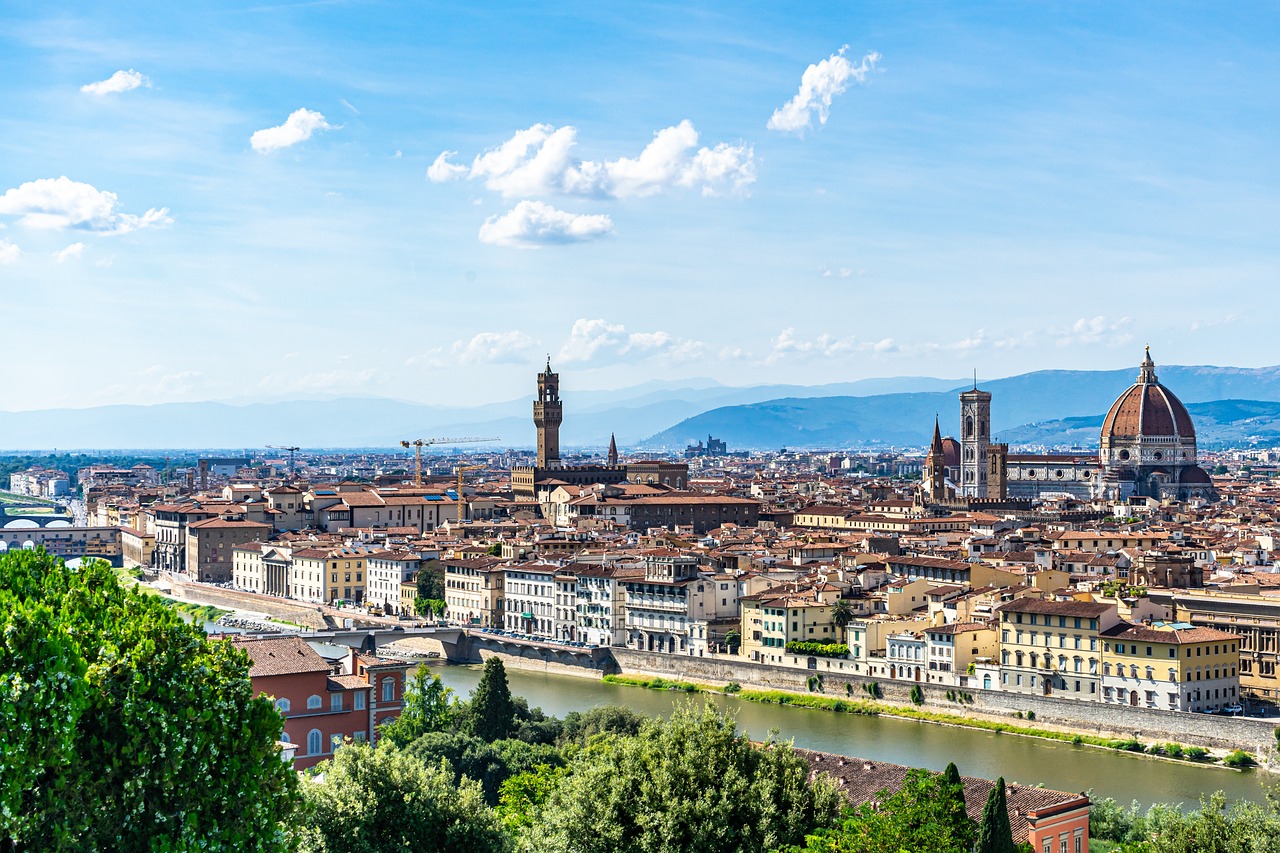
Florence packs an extraordinary concentration of Renaissance art and architecture into a historic centre you can cross on foot in about half an hour. That density is its great appeal and its main challenge: the famous galleries, the cathedral climb and the most photographed bridge all compete for the same visitors. This Florence travel guide shows how to book the essentials, spread them across three or four days and leave time for the quieter Oltrarno and the hills above the city.
Under the Medici family, Florence became the centre of artistic and intellectual life in fifteenth-century Europe. Brunelleschi, Botticelli, Michelangelo and Leonardo all worked here, and their legacy fills churches and palaces as well as museums. The historic centre has been a UNESCO World Heritage Site since 1982.
Planning matters more in Florence than in most cities because the top sights use timed entry. Feel Florence, the city's official tourism site, publishes event calendars and neighbourhood routes that help you find churches and smaller museums beyond the main queue.
Where to stay in Florence
Almost anywhere inside the historic centre is walkable to the main sights, so choose by atmosphere and budget. The area around the Duomo is the most central and the busiest. Santa Croce, to the east, has good restaurants and a slightly more local feel, while the streets around Santa Maria Novella station are practical for day trips by train.
Oltrarno, across the river, is home to artisans' workshops, Palazzo Pitti and Santo Spirito's lively square. It is quieter in the evening and only a short walk from Ponte Vecchio. Many central streets are a restricted traffic zone, the ZTL, so if you arrive by car, ask your hotel how to reach it without a fine.
Florence charges a tourist tax per person per night, which varies with the hotel category. Historic buildings may have stairs, small lifts and no air conditioning; ask before booking a summer stay. The city-cost tool helps compare a central room with a cheaper option near the station.
The Duomo complex: cathedral, dome and baptistery
The Cathedral of Santa Maria del Fiore dominates the skyline. Its dome, engineered by Filippo Brunelleschi, was completed in 1436 without the wooden scaffolding then thought essential, and it remains the largest brick dome ever built. Climbing its 463 steps takes you between the inner and outer shells, past the Last Judgement frescoes, to a view across the city.
Entry to the cathedral itself is free, but the dome, Giotto's bell tower, the Baptistery and the Opera del Duomo Museum require a combined ticket. Dome climbs need a reserved time slot, which can sell out days ahead in high season. The museum holds Ghiberti's original Gates of Paradise and Michelangelo's late Pietà, and is often overlooked.
Giotto's campanile is a good alternative if the dome slots are full: its 414 steps give a view that includes the dome itself. Dress modestly for the cathedral, covering shoulders and knees. There is no lift and the top section is narrow, but terraces part of the way up allow rest stops.
Florence's museums: the Uffizi, the Accademia and beyond
The Uffizi Gallery holds the greatest collection of Italian Renaissance painting, including Botticelli's Birth of Venus and Primavera, works by Leonardo, Raphael and Caravaggio. Book a timed ticket and allow at least three hours. Choose a few rooms to focus on, and use the café terrace for a view of Palazzo Vecchio's tower.
The Galleria dell'Accademia is visited above all for Michelangelo's David, completed in 1504. The statue is larger than many people expect and repays time spent walking around it. The museum is smaller than the Uffizi, so an hour is usually enough; book ahead to avoid a long queue in the street.
The Vasari Corridor, the elevated passage linking the Uffizi with Palazzo Pitti across Ponte Vecchio, reopened in December 2024 for visits by advance booking. Palazzo Pitti's galleries and the Boboli Gardens, the Bargello's sculpture collection and the Museo di San Marco with Fra Angelico's frescoes are rewarding alternatives when the main galleries are crowded.
For a quieter perspective, the Bardini Garden on the slopes of the Oltrarno offers terraced paths, a wisteria tunnel in spring and views over the rooftops, with far fewer visitors than the Boboli Gardens next door. A combined ticket usually covers both gardens.
Getting around Florence and day trips
The historic centre is best explored on foot; distances are short and many streets are pedestrianised. Small electric buses and the tram, which links Santa Maria Novella with the airport, cover longer journeys. The tram is the easiest way to and from Florence Airport, taking around twenty minutes.
Firenze Santa Maria Novella is the main railway station, with high-speed trains to Rome in about an hour and a half and to Venice in around two hours. Regional trains reach Pisa, Lucca and Siena's surroundings. Trenitalia handles most routes; validate regional paper tickets before boarding.
Siena, San Gimignano and the Chianti wine country are popular day trips, but they work best with a full day and suitable transport. Buses serve Siena directly, while a vineyard tour suits Chianti if you plan to taste wine. Pisa, about an hour away by regional train, fits into half a day, while Lucca's walled centre can be cycled along its ramparts.
What to eat in Florence
Bistecca alla fiorentina, a thick T-bone steak grilled rare and usually sold by weight, is the city's signature dish, meant for sharing. Lampredotto, tripe simmered and served in a bread roll, is a classic street food from carts near the Mercato Centrale and in Sant'Ambrogio. Ribollita and pappa al pomodoro are hearty Tuscan bread soups.
The Mercato Centrale in San Lorenzo has a traditional market downstairs and a food hall upstairs. Sant'Ambrogio market, east of the centre, is smaller and more local. Florence's wine windows, small openings in palace walls once used to sell wine, are historic curiosities, and a few have been revived.
Restaurants may add a coperto, a per-person cover charge, to the bill; it should be shown on the menu. Our Florence restaurant guide suggests places by neighbourhood. Gelato is everywhere, but quality varies: look for natural colours and metal tubs rather than towering mounds.
Crafts, markets and shopping in Florence
Florence has a long tradition of artisan work, and the Oltrarno is where many workshops survive. Along Via Santo Spirito, Via Maggio and the streets near Palazzo Pitti you can watch goldsmiths, bookbinders, leatherworkers and picture restorers at work. Buying directly from a workshop supports the craftspeople and usually guarantees better quality than souvenir stalls.
The San Lorenzo street market, around the Mercato Centrale, is known for leather goods, but quality varies widely: check the stitching, smell the leather and compare prices before buying. The Mercato Nuovo, under a sixteenth-century loggia near Piazza della Signoria, is home to the bronze boar, Il Porcellino, whose snout visitors rub for luck.
A four-day Florence itinerary
| Day | Area | Main focus |
|---|---|---|
| 1 | Duomo and Piazza della Signoria | Dome climb, Baptistery, Palazzo Vecchio |
| 2 | Uffizi and the river | Uffizi Gallery, Ponte Vecchio, Piazzale Michelangelo at sunset |
| 3 | San Lorenzo and San Marco | Accademia, Mercato Centrale, Medici Chapels |
| 4 | Oltrarno | Palazzo Pitti, Boboli Gardens, Santo Spirito |
Start with your booked dome climb on day one, then walk to Piazza della Signoria and Palazzo Vecchio. Day two is the Uffizi, followed by Ponte Vecchio and a climb to Piazzale Michelangelo or the quieter San Miniato al Monte for sunset.
On day three, see David at the Accademia, have lunch at the Mercato Centrale and visit the Medici Chapels. Day four belongs to Oltrarno, with Palazzo Pitti, the Boboli Gardens and an evening in Piazza Santo Spirito. The chapels hold Michelangelo's sculptures for the Medici tombs, including the reclining figures of Night and Day.
Many travellers combine Florence with Rome; our Rome–Florence comparison helps decide how to split the time. For a wider look at Renaissance collections, our art and museum guide puts Florence alongside other great art cities. Our Venice guide covers the next stop north.
Florence budget, seasons and practical tips
Florence is moderately expensive, with accommodation and museum tickets making up most of the budget. Summer is hot, humid and very busy; spring and autumn are more comfortable. Winter is quieter and cheaper, though some days are cold and wet.
Pickpockets operate around the Duomo, the station and on crowded buses. Italy is in the Schengen area, and non-EU visitors are registered under the EU Entry/Exit System at the border. Use the visa tool to check your own requirements and the currency converter to plan in euros.
If Florence's art and Tuscan food appeal, destinations similar to Florence suggests comparable cities, and the destination finder can help choose the next one. Bologna, about forty minutes away by high-speed train, offers arcaded streets and outstanding food, and Verona and Milan are easy onward stops.
Frequently asked questions
How many days do you need in Florence?
Three days cover the Duomo, the Uffizi, the Accademia and Oltrarno at a sensible pace. Four days add time for Palazzo Pitti, a smaller museum or a relaxed evening. A day trip to Siena or Chianti needs an additional day.
Do I need to book the Uffizi and Accademia in advance?
Booking is strongly recommended, especially from spring to autumn. Timed tickets reduce waiting considerably. Buy through the official museum channels, and be cautious of resellers charging large premiums for so-called skip-the-line access.
Can you climb Brunelleschi's dome?
Yes. The climb involves 463 steps with narrow passages and no lift, and it requires a reserved time slot as part of the combined Duomo ticket. Visitors who dislike tight spaces may prefer Giotto's bell tower, which has a similar view.
Links & Resources
Official sights, transport and planning
- Uffizi Galleries: Uffizi, Palazzo Pitti, Boboli and the Vasari Corridor.
- Palazzo Strozzi: Major temporary exhibitions in a Renaissance palace.
- Opera di Santa Maria del Fiore: Dome, bell tower and Baptistery tickets.
- Bargello Museums: Renaissance sculpture collections.
- UNESCO — Historic Centre of Florence: Heritage background.
- Toscana Aeroporti: Florence and Pisa airports.
- Italo: High-speed trains to Rome, Venice and Milan.
- UK government — Italy travel advice: Entry and safety guidance.
On GuesTheCity
- Explore the city map: See how the Duomo, the Uffizi and Oltrarno fit together.
- Play Guess the City: Recognise Florence's dome and bridges.