9 Underrated Cities in Europe: Instead of X, Try Y
An alternative city should answer the same interest in a different way. If Lisbon appeals for steep riverside streets and food, Porto is a useful comparison; if Florence appeals for Italian urban life as much as Renaissance collections, Bologna offers another emphasis. This guide uses nine explicit pairings to help travellers change a familiar European shortlist without pretending that the alternatives are secret, empty or always cheaper.
Each pairing also explains what you give up. Antwerp is not a smaller copy of Bruges, and Bratislava cannot replace Vienna's museum collections. The purpose is to match a trip to the thing you actually enjoy. For calendar-dependent openings and events, the 2026 underrated selection has the timely angle; the underrated capitals guide groups places by political status instead.
For riverfronts and working-city energy
1. Instead of Lisbon, try Porto for a tighter riverside focus
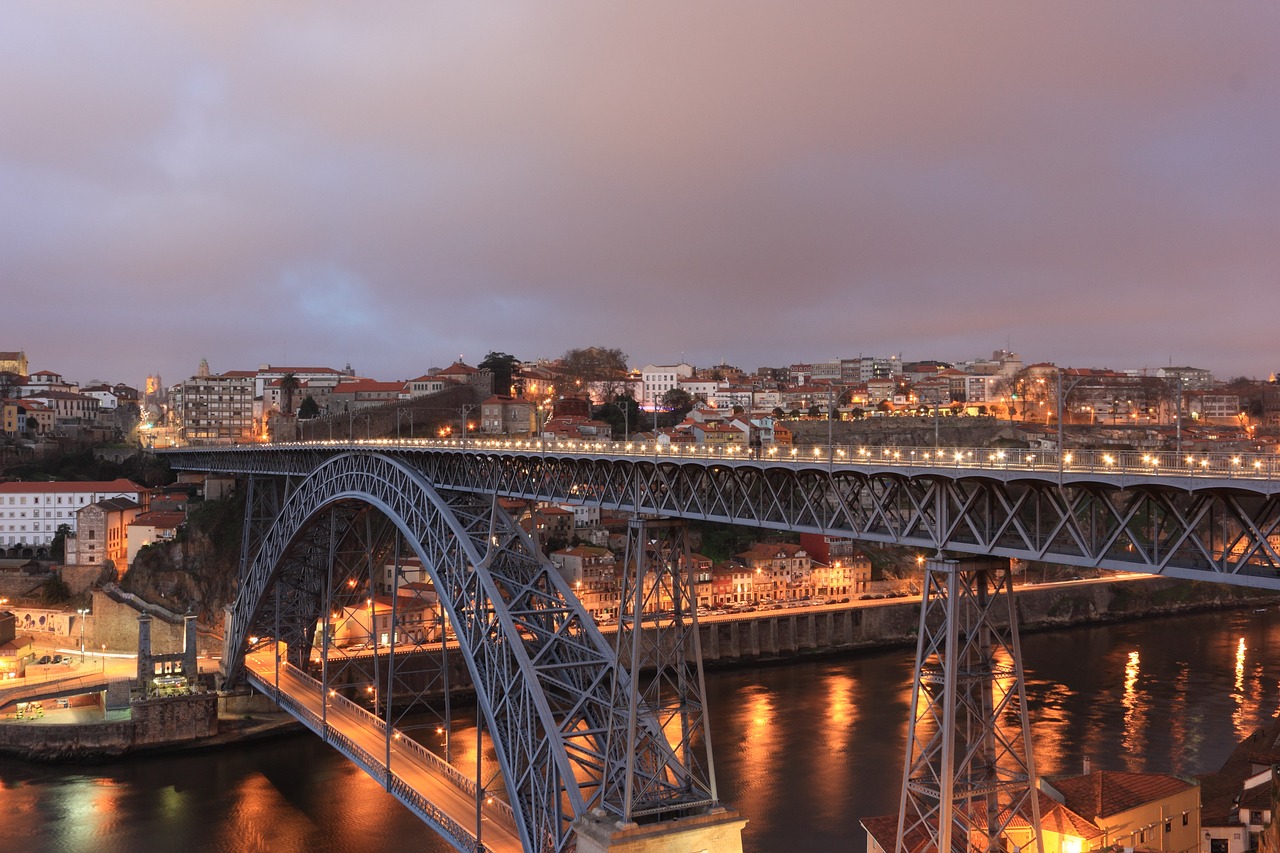
Porto is a good alternative when Lisbon attracts you through hills, tiled façades and waterside evenings. Ribeira, the Dom Luís I Bridge and the Gaia bank give a compact sequence of changing river views. The bridge opened in 1886. Rather than continually switching between distant districts, you can organise an introductory afternoon around the Douro and understand the city's topography as you walk.
Choose Porto for a focused two- or three-day stay, with a cellar visit or a market session added deliberately. You give up Lisbon's larger range of districts and its Belém monuments, so this is a change of emphasis rather than an upgrade. Francesinha is a named Porto dish worth knowing before ordering: the substantial sandwich and sauce make a different meal from a light pastry stop. The Porto dining guide can help you decide where food belongs in the day.
2. Instead of Bruges, try Antwerp for art and a working port city
Antwerp suits travellers who like the architecture of Bruges but want a more urban mix of painting, fashion and contemporary districts. The central station is itself a major building, opened in 1905. From there, the historical centre and the Scheldt waterfront offer different walking sessions, while the museum district adds a reason to spend time indoors.
MAS opened in 2011 and gives the port city a modern cultural landmark. A two- or three-day Antwerp visit can combine a collection with the old centre without relying on canal scenery. What you give up is Bruges's particular medieval water-and-brick composition. Choose Antwerp because you want the larger city's contrasts and cultural institutions, not because an online list has labelled it undiscovered. The MAS museum provides the details for its current displays and building access.
For Italian streets and an easier change of scale
3. Instead of Florence, try Bologna for porticoes and everyday food
Bologna is an alternative to Florence when the attraction is Italian street life, markets and architecture rather than a specific Renaissance masterpiece. Its porticoes received UNESCO recognition in 2021. Covered walking routes shape how the centre feels in rain and strong sun, while Piazza Maggiore provides a clear orientation point before you move into smaller streets.
Allow two full days for the centre, a chosen museum and meals that are not squeezed between long queues. Tagliatelle al ragù and tortellini in brodo are useful local names, rather than the imprecise expectation of ordering spaghetti bolognese everywhere. Florence remains the better choice if the Uffizi is the trip's central goal. Bologna is a different city experience, with the university and market districts carrying as much interest as a celebrated skyline.
4. Instead of Vienna, try Bratislava for a compact short break
Bratislava provides a smaller-scale alternative to Vienna, especially for a short stay focused on an old centre, a castle hill and the Danube. The Blue Church was completed in 1913 and gives the city a distinctive Art Nouveau detail beyond its castle silhouette. The river and the centre are close enough to connect on foot without treating every session as a separate transport project.
Two full days can suit a first visit, while an approx. 1-hour rail link makes a Vienna comparison possible without flying. You give up the scale of Vienna's imperial collections and performance calendar. Do not stretch a Bratislava visit into a claim that it offers the same museums at lower prices. Choose it when compactness is an advantage and when a relaxed afternoon around the centre matters more than an exhaustive palace programme.
For old centres with another historical story
5. Instead of Prague, try Ljubljana for riverbanks and designed public space
Ljubljana can answer an interest in an attractive central European city without reproducing Prague's castle-and-bridge scale. The Triple Bridge and riverside spaces associated with architect Jože Plečnik give the centre a recognisable design language. His Ljubljana works became a UNESCO site in 2021. Here, architecture is often experienced as a route through public space rather than as one dominant monument.
Give a two-day city introduction room for the central market and a castle visit, with Tivoli Park on a different session if the weather suits. Štruklji provide a specific Slovenian food reference. Prague is the stronger choice if its particular Gothic and Baroque skyline is what you want; Ljubljana is the alternative for a smaller, river-focused pace. Excursions to Lake Bled need separate time and should not be counted as sights inside the capital.
6. Instead of another Vienna visit, try Kraków for a different central European history
Kraków makes sense when you want a historic core and substantial cultural interpretation after already exploring Vienna. Its Old Town became a UNESCO World Heritage Site in 1978. Wawel, Rynek Główny and Kazimierz offer distinct sessions rather than one continuous old-town walk. The Cloth Hall gives the main square an architectural centre, while the districts around it tell different stories.
Three full days allow historical context and time for a chosen museum. Kazimierz's Jewish heritage should be approached through knowledgeable interpretation, not just a list of atmospheric bars. Obwarzanek krakowski is a recognisable local bread ring for an ordinary snack break. Kraków does not substitute for Vienna's particular art collections; it offers another historical focus. Memorial excursions outside the city require both time and the respectful attention their subject deserves.
Baltic alternatives with clear personalities
7. Instead of Stockholm, try Tallinn for a closer medieval streetscape
Tallinn suits someone drawn to a northern waterfront capital who would rather spend more of the visit in a compact medieval centre than across Stockholm's larger island city. The Old Town was inscribed by UNESCO in 1997. Toompea's viewpoints reveal the red roofscape, while the lower streets bring merchants' houses and stone walls into closer view.
Two or three days let you add Telliskivi's creative spaces or Kadriorg's park setting instead of repeating the same Old Town circuit. Stockholm still offers a different scale of museums, waterways and archipelago trips. Tallinn's advantage for this pairing is its concentrated medieval fabric, not an invented guarantee of lower costs. The current Visit Estonia Tallinn page is the appropriate visitor starting point for districts and cultural context.
8. Instead of Amsterdam, try Riga for markets and Art Nouveau
Riga answers an interest in walking, architecture and neighbourhood browsing while replacing Amsterdam's canals with another visual language. Around Alberta iela, Art Nouveau façades reward looking carefully at ornament rather than following a waterside route. Riga's Central Market opened in 1930, with its large pavilion buildings giving food shopping a striking architectural setting.
Allocate three days for the old centre, the Art Nouveau area and a market-led morning. Rye bread and smoked fish are more concrete food leads than calling the city a culinary hidden gem. Amsterdam remains the choice for its named art museums and canal geography. Riga is a useful alternative when you want buildings and market life to organise the visit, and when a Baltic location fits the season and route better.
A Mediterranean alternative with a real urban beach
9. Instead of Barcelona, try Valencia for gardens and coastal space
Valencia is a meaningful alternative to Barcelona for travellers wanting city culture with beach time, but fewer architecture reservations as the daily framework. The Turia's former riverbed provides a long park corridor, while the City of Arts and Sciences introduces a contemporary architectural district. The Silk Exchange, La Lonja, became a UNESCO site in 1996 and anchors a very different older centre.
Three days allow a historical session, time in the Turia gardens and a separate beach afternoon at Malvarrosa or the adjacent coast. Paella valenciana has its own tradition; do not describe any seafood rice dish as the definitive local version. Barcelona remains the destination for Gaudí's particular buildings. Valencia is the alternative when outdoor space and a different balance of old and new architecture matter more than reproducing Barcelona's most famous itinerary.
Choosing the alternative for the right reason
Start by naming what you want from the better-known city. If it is one collection, concert or building, an alternative may disappoint even when the streets look appealing. If the interest is broader—Italian food, Baltic architecture or a river-centred weekend—the pairings become more useful. The destination finder helps turn those preferences into a smaller shortlist, rather than encouraging an endless search for the next supposed secret.
The city-cost comparison is useful only after selecting dates and a realistic accommodation standard. No city in this article is promised to be cheaper every weekend. The best-time planner adds seasonal context, especially when comparing Valencia with Riga or Tallinn. Weather, daylight and a personal tolerance for hills can matter more than the reputation of an alternative as a bargain.
For an illustrative 4-night comparison trip, Vienna and Bratislava can share the time with a short rail transfer, whereas Barcelona and Valencia need a more deliberate allocation. A week split between Lisbon and Porto is another coherent pair. These are route examples rather than purchased itineraries. The European train guide explains why station locations, departure times and reservations belong in the comparison before accommodation is booked.
Frequently asked questions
Are these alternatives less crowded than the comparison cities?
Crowds depend on season, district and individual events, so the guide makes no blanket promise. Bruges, Porto and Tallinn are established destinations with busy areas of their own. Choose an alternative for its specific attractions and pace rather than assuming that a different name guarantees empty streets.
Can I visit the original city and its alternative on one trip?
Some pairings are geographically convenient, notably Vienna and Bratislava or Lisbon and Porto. Others compare interests across a greater distance, such as Amsterdam and Riga, and are intended as choices between trips. Calculate the transfer time before treating an editorial pairing as a suggested rail route.
Which alternative is best for an art-focused break?
Antwerp is a strong lead for collections and a contemporary museum setting, while Bologna can combine galleries with historic streets. Their appeal depends on the specific programme you want to see. Neither replaces a named masterpiece in Florence or Vienna, so begin with the artwork or institution that motivates the trip.
Links & Resources
Official tourism and planning sources
- Visit Porto: Visitor information for Porto
- Visit Antwerp: Visitor information for Antwerp
- Bologna Welcome: Visitor information for Bologna
- Visit Ljubljana: Visitor information for Ljubljana
- Kraków tourism: Visitor information for Krakow
- Visit Bratislava: Visitor information for Bratislava
- Visit Valencia: Visitor information for Valencia
- Live Riga: Visitor information for Riga