10 Bucket-List Cities to Visit for a Signature Experience
A lifetime travel wish list is more useful when it names an experience rather than simply collecting famous city names. Rome might mean understanding an ancient public space; Kyoto might mean spending time in a designed garden; New York might mean a performance you have wanted to see for years. This selection proposes ten signature experiences with historical or cultural context, without insisting that everyone needs the same itinerary or deadline.
The cities are starting points for personal interests, not obligations to complete before a particular age. The first-trip Europe guide handles efficient route choices, while the global beauty selection focuses on landscape and architecture. A bucket-list visit should have a reason that survives a cloudy day or a missed photograph, and enough time to understand the experience that motivated the journey.
Ancient and monumental places that deserve interpretation
1. Rome: understand the Forum rather than merely cross it
In Rome, make the Roman Forum the experience, with enough interpretation to distinguish its public spaces and buildings. The Colosseum, opened in AD 80, belongs to the same broader ancient-city interest but is not the whole story. A qualified guide or a carefully selected audio resource can make ruins legible rather than leaving them as an impressive collection of broken columns.
For an illustrative four-day stay, give the ancient sites one substantial session and keep the Vatican or another major museum on a different day. Testaccio provides a contrasting food and neighbourhood experience afterwards. The UNESCO overview of Rome’s historic centre places the archaeological monuments within a wider urban heritage setting. This is a bucket-list choice for someone interested in ancient urban life, not a claim that a quick interior photograph completes Rome.
2. Istanbul: connect a monument with the waterway around it
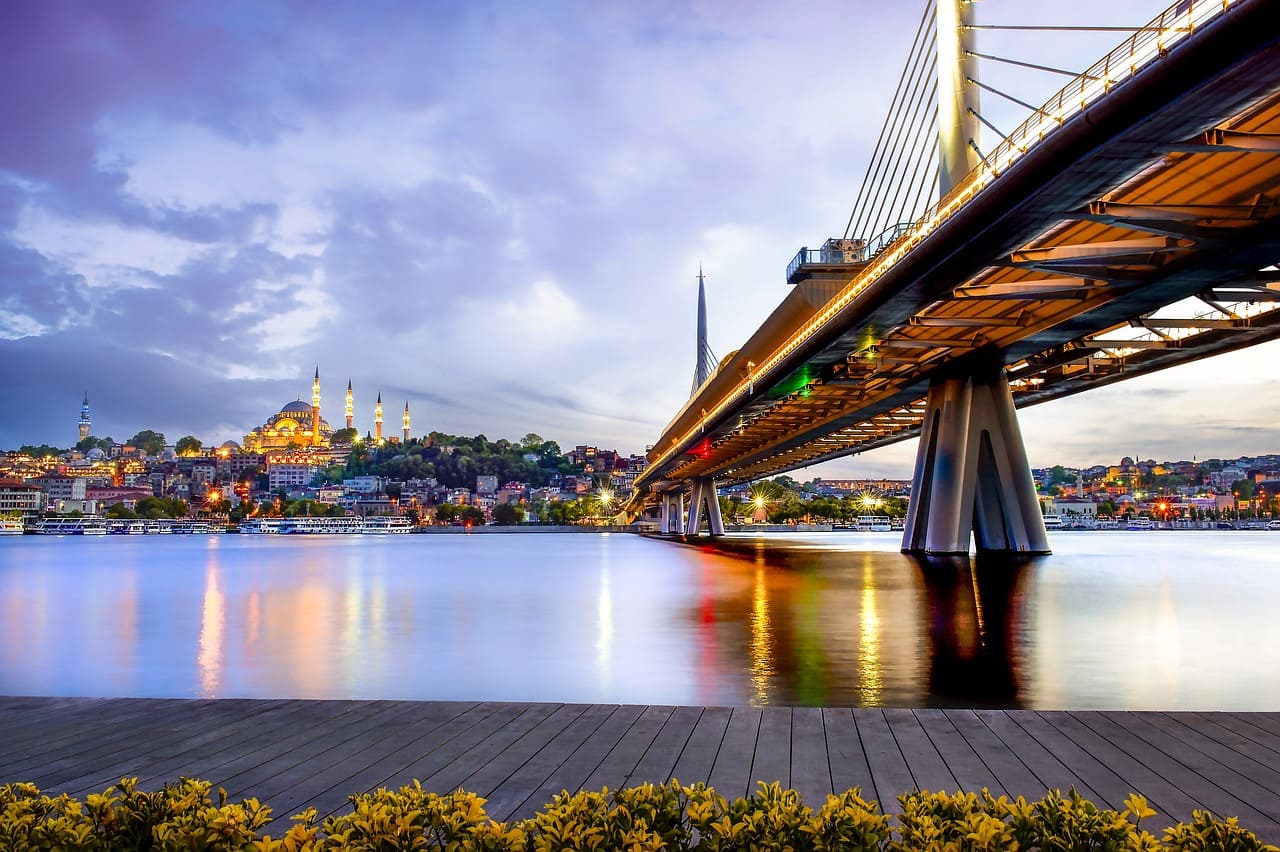
Istanbul offers a signature experience through its historic peninsula followed by a public ferry journey. Hagia Sophia was completed in AD 537, while the Bosphorus connects the Black Sea with the Sea of Marmara. Understanding the monument's changing uses and its place within the city gives the visit more depth than a sequence of skyline pictures.
Allow a separate session for any interior you want to visit, respecting its current religious and visitor arrangements. A ferry then reveals how the city's shores relate to each other. The Istanbul food selection can anchor another day around a meal rather than more monument tickets. Current regional conditions belong in the booking decision, so this cultural interest should be matched to country advice and actual transport availability before travel is fixed.
Art and urban identity beyond the headline image
3. Paris: choose one collection and follow its ideas
In Paris, the signature experience can be a focused Musée d'Orsay visit rather than an attempt to finish every gallery. The museum opened in 1986 in a former railway station. Its setting and nineteenth-century collections give a clear subject to explore, with a river walk afterwards that places the cultural visit back into the city.
Choose a small number of artists or rooms beforehand, then allow attention to replace volume. A four- or five-day stay leaves space for the Marais, the Seine and a meal that is not squeezed between reservation windows. The Louvre is another substantial interest and deserves a different session if selected. Paris belongs on this wish list for the experience of engaging with art in its setting, not because seeing the Eiffel Tower is a universal personal obligation.
4. New York: a performance in a city you explore by district
New York can justify a long-held travel wish through one theatre, music or dance performance chosen for the work itself. Broadway is a location and theatre tradition, not a guarantee that every production suits every visitor. Give that evening enough room for a manageable meal and an unhurried return, instead of attaching it to a day that has already crossed several boroughs.
The Statue of Liberty, dedicated in 1886, supplies another historical interest if it matters to you, with separate ferry and entry arrangements. For an illustrative five-day stay, group walking around districts rather than making repeated long journeys for individual sights. The New York restaurant selection can support the performance evening. A bucket-list city visit becomes more satisfying when its main experience is clearly chosen and the rest of the city provides context around it.
Japanese experiences with distinct cultural settings
5. Kyoto: spend time in one garden, not ten temple queues
Kyoto offers a signature experience through a carefully chosen temple garden and enough time to notice its design. Kiyomizu-dera's present main hall dates from 1633, but it represents only one part of the city's cultural landscape. Decide whether your main interest is a garden, architecture or a guided historical walk, then select the place that serves it.
An illustrative four-day Kyoto stay can keep Higashiyama, Arashiyama and a Kamo River session separate. A cultural activity should be chosen for a qualified provider and clear format rather than a vague promise of authenticity. Respect photography notices and private-lane restrictions, particularly around Gion. Kyoto rewards concentrated attention: seeing how a garden frames a view can be more memorable than reaching a dozen named sites without time to understand any of them.
6. Tokyo: trace one food interest through a neighbourhood
In Tokyo, build the signature experience around food, with a named district and dishes rather than an indiscriminate market crawl. Tsukiji Outer Market remains an active food area, while the wholesale fish market moved to Toyosu in 2018. Those are different places with different functions. A visit to one should not be described as access to the other.
Choose sushi, soba or another specific interest and let one session explore it properly. The Tsukiji Outer Market information supplies district context, while the Tokyo restaurant guide offers another route into a planned meal. A five-day stay gives time for contrasting districts such as Asakusa and Shinjuku. Keep the food experience separate from a rushed cross-city transfer so the city is remembered through taste and understanding rather than exhaustion.
Craft and living historical neighbourhoods
7. Marrakech: learn about craft before buying a souvenir
Marrakech can be a bucket-list city for someone interested in craft, courtyard architecture and the medina's commercial life. The medina became a UNESCO World Heritage Site in 1985. Choose a guided walk or workshop with a clear focus on a particular craft, so the experience explains material and technique rather than simply leading past a row of shops.
Allow three or four days for the city, including a garden session and ordinary meals. Tangia is a named local food interest, while the Marrakech restaurant page helps make dining part of the visit. A purchase should reflect genuine interest in the object and maker; a brightly coloured market image does not establish provenance or craftsmanship. The signature experience here is learning to see and understand work, not acquiring the largest possible souvenir haul.
8. Venice: travel through the city by water and then on foot
Venice offers a signature experience in the transition between a Grand Canal boat journey and a walk through a smaller district. Its city and lagoon were inscribed by UNESCO in 1987. The water route makes palaces, landings and commercial movement visible, while Cannaregio or Dorsoduro brings the scale back to bridges, corners and everyday streets.
Give the experience a morning or afternoon rather than scheduling it as a transfer between several attractions. Three full days allow San Marco, one chosen collection and another district to remain distinct. A gondola is optional; ordinary water transport can already explain how the city works. Confirm the current visitor access arrangements for your dates and category, then focus on the place itself rather than treating compliance steps as the organising theme of the trip.
Landscapes with cultural and historical depth
9. Cape Town: understand the mountain and the city beneath it
Cape Town supplies a memorable landscape experience through Table Mountain, whose highest point reaches 1,086 metres. The mountain visit should be flexible because weather affects access. It becomes more meaningful when combined with time in the city below, including a museum or neighbourhood session that explains history beyond the panoramic view.
For an illustrative five-day stay, leave more than one possible mountain window and give the waterfront and a cultural session their own time. Robben Island is a separate, weather-dependent visit with significant historical subject matter, not a casual extension to a mountain outing. Choose experiences for the attention they deserve. Cape Town's inclusion rests on the connection between landscape and urban history, rather than the promise that a high viewpoint will be available on a fixed morning.
10. Rio de Janeiro: experience a coastal neighbourhood as a place
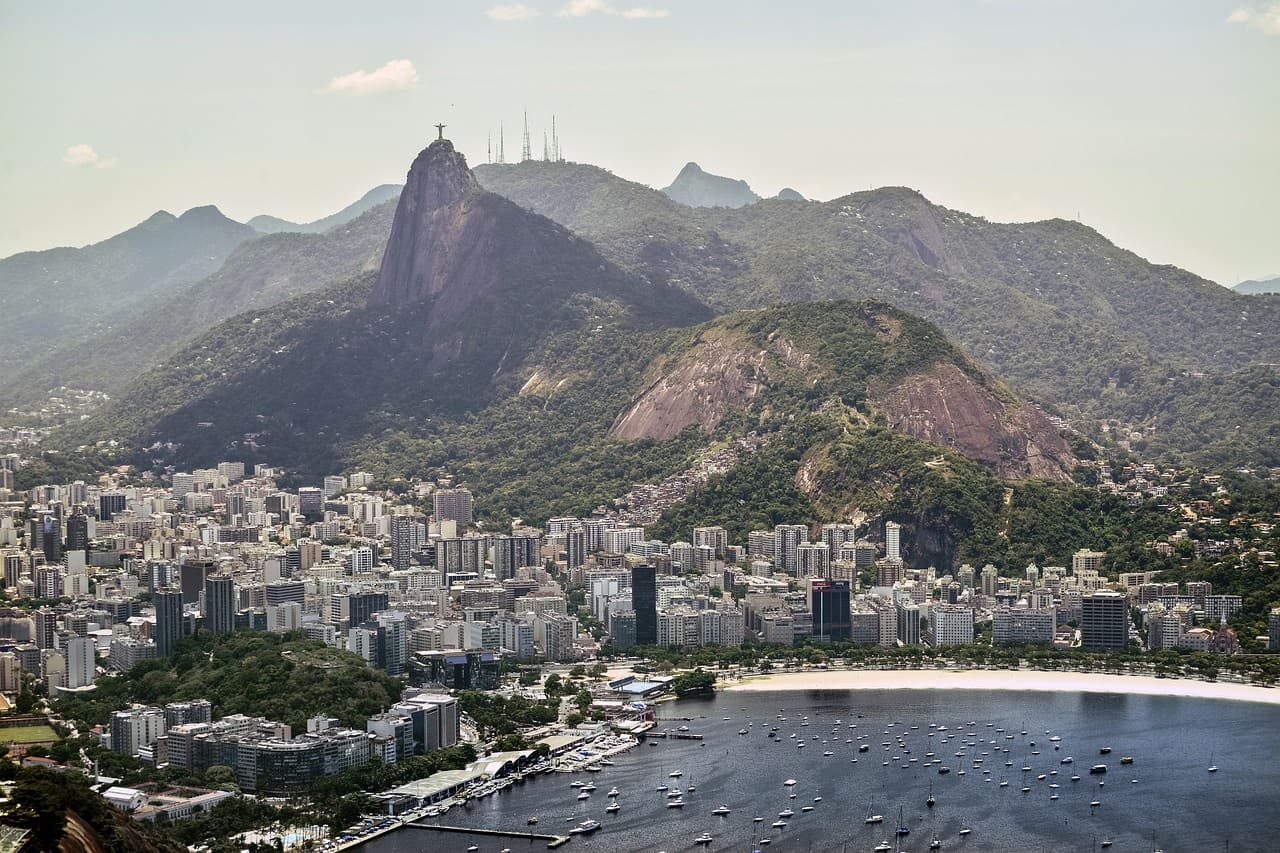
In Rio de Janeiro, a signature experience can be a carefully planned day connecting a recognised viewpoint with a coastal neighbourhood and a meal. Sugarloaf rises to 396 metres beside Guanabara Bay, while Copacabana and Ipanema face the Atlantic. These settings explain the city's geography, and they should not be compressed into one undifferentiated beach panorama.
Allow four or five days for a first visit with transport chosen deliberately. The wave-pattern promenade gives a close urban detail after the broader landscape view. Music is another worthwhile interest when a performance is selected through a reputable venue rather than an improvised late-night search. Country guidance and local arrangements remain relevant; a long-held travel wish is not a reason to enter unfamiliar hillside areas or disregard conditions affecting a particular route.
Turning a wish into an achievable experience
Name the experience in one sentence before choosing flights: a focused Orsay visit, a theatre performance, a Kyoto garden or a Rome archaeology session. The destination finder can help compare those interests, and the budget tool makes the main experience a visible part of the cost. A wish list works better when it is specific enough to plan and flexible enough to accommodate ordinary travel realities.
Use the best-time planner for broad seasonal patterns, then confirm live admission and performance arrangements with the institution involved. The slow-travel guide offers another way to give a place depth without adding more destinations. Keep one unbooked session so an unexpected neighbourhood, conversation or meal can matter too. The trip should fulfil an interest, rather than merely prove that the city name has been crossed off.
Frequently asked questions
Do I need to visit all ten cities for a complete travel life?
The selection is inspiration for different interests, not a universal checklist or deadline. Someone interested in gardens may choose Kyoto, while a theatre enthusiast may prioritise New York. A meaningful travel wish is personal, and a smaller number of carefully experienced places can be more satisfying than a long list completed hurriedly.
How should I choose the main experience?
Begin with the thing you would still want to understand even if the weather prevented the ideal photograph. That might be a collection, a craft tradition, a food district or a historical site. Select the experience first, then give the city enough days to provide context rather than filling the itinerary with unrelated highlights.
Should I combine several bucket-list cities in one trip?
Combining nearby cities can work, but long transfers can reduce attention to the very experiences that motivated the journey. Rome and Venice require different allocations from a route jumping between Cape Town and Tokyo. Compare the usable days after travel before deciding that another city improves the itinerary.
Links & Resources
Official tourism and planning sources
- Turismo Roma: Visitor information for Rome
- Paris visitor information: Visitor information for Paris
- Kyoto Travel: Visitor information for Kyoto
- GoTürkiye: Istanbul: Visitor information for Istanbul
- Moroccan National Tourist Office: Marrakesh: Visitor information for Marrakech
- Cape Town tourism: Visitor information for Cape Town
- New York City Tourism: Visitor information for New York
- Visit Brasil: Brazil's official tourism portal, including Rio de Janeiro
- GO TOKYO: Visitor information for Tokyo
- Venezia Unica: Visitor information for Venice