12 Instagrammable Cities: Specific Shots and Respectful Access
A useful photography destination gives you more than a familiar background. It offers a particular angle, a public place from which to make it and enough context to know what you are photographing. These twelve city ideas are built around a shot rather than a claim that every street is picture-perfect. They also distinguish a public view from a private doorway, an active religious building or a residential lane with access restrictions.
The aim is an observed photograph that fits a real visit, not a staged interruption of city life. The colour-focused selection examines neighbourhood palettes, while the European beauty guide gives viewpoints and visual compositions. This article adds decisions about focal length, light, viewpoint and conduct, so repeating a city name does not mean repeating the same editorial angle.
Painted architecture without private-doorstep staging
1. Chefchaouen: one lane, several tones of blue
In Chefchaouen, choose a publicly accessible medina lane with blue-painted walls and a visible change in level. Frame the paving as well as the walls so the image describes a street rather than a colour sample. Soft light can preserve the different blue tones better than strong sun. Use a normal phone lens first; an extremely wide setting may exaggerate a narrow passage and distort the edges. Avoid private stairways and paid setups unless their owner has explicitly arranged access.
2. Jaipur: a frontal detail of Hawa Mahal
Jaipur's Hawa Mahal, built in 1799, offers repeated windows and pale detailing within a warm façade. A frontal view emphasises the pattern; a tighter image can isolate several windows without pretending to show the entire building. The street is busy, so choose a safe pavement position and do not back into traffic to widen the frame. If using an elevated café view, understand that access belongs to that business and may involve a purchase. The official building history provides context for the subject.
3. Marrakech: colour as an accent, not a whole-city filter
In Marrakech, choose either a public medina street detail or an authorised garden view rather than mixing them into an imagined universal scene. Jardin Majorelle's blue is a specific garden palette associated with Jacques Majorelle, while the medina's walls tend towards warmer tones. A close image of tile or an arch can show craft without needing a person in the frame. Follow the site's current photography notices and avoid blocking routes. The Marrakech food page helps give the outing a meal stop with a purpose beyond another staged background.
Rivers and bridges with room to compose
4. Lisbon: a tiled façade with the pavement kept visible
Lisbon offers azulejos and painted plaster, particularly useful when the light is too flat for a dramatic panorama. Choose one façade in a public street and keep the camera level to reduce converging verticals. The rebuilt Baixa grid reflects the 1755 earthquake, while Alfama has a different street pattern. Include a corner or doorway only when it helps explain the building, and leave the access clear. A tram photograph requires particular care: never stand in its path or encourage someone else to pose on tracks for the shot.
5. Porto: Ribeira from the Gaia bank
From across the Douro in Porto, photograph Ribeira's stacked façades with a strip of water in the foreground. The Dom Luís I Bridge opened in 1886 and can supply a strong edge if you want a wider composition. A modest zoom often makes individual buildings easier to distinguish than a very wide frame. Compare the lower riverfront position with the upper bridge view, but remain clear of tram tracks and pedestrian movement. The Porto restaurant selection can anchor the day in an actual visit rather than repeated journeys solely for light.
6. Prague: bridge lamps beneath a distant castle skyline
In Prague, use a riverside position to place Charles Bridge and the castle district at different depths. Begun in 1357, the bridge provides an identifiable historical subject within the wider scene. A foreground lamp or stone edge can give the scene scale, but too many foreground objects make the skyline difficult to read. Morning changes the atmosphere without guaranteeing an empty view. Keep the photograph handheld when a tripod would obstruct a narrow route, and move on once the composition is made. A second short visit can be more productive than occupying one spot for an entire hour.
Landmark silhouettes with a clear geographical setting
7. Paris: the Eiffel Tower from a normal city route
Paris's Eiffel Tower opened in 1889, but a photograph need not erase the ordinary city around it. From a suitable public position near the Champ de Mars, include trees or a path so the tower has a setting. A closer architectural detail offers another option when the wider view is busy. Avoid intrusive posing on private approaches or climbing street furniture. For any commercial shoot or unusual equipment setup, obtain the relevant permissions rather than treating an ordinary visitor's photograph as authorisation for a production.
8. Dubai: a skyline reflected rather than isolated
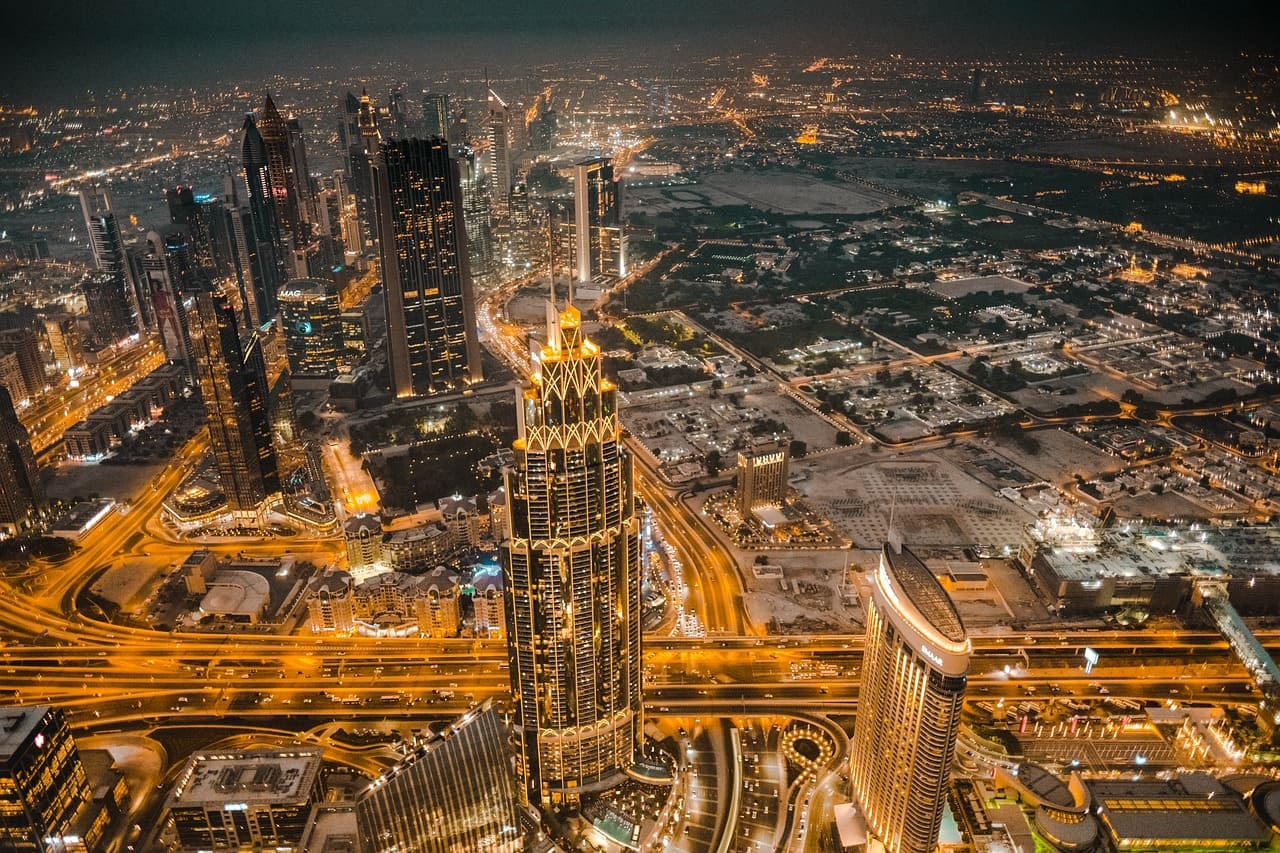
In Dubai, choose a permitted public waterfront position that lets buildings and water occupy the same frame. The Burj Khalifa opened in 2010 and reaches 828 metres, though its visitor decks are at lower, specific levels. Dubai Marina provides a separate skyline subject from Downtown. Use the location that matches the composition instead of assuming one district contains every recognisable tower. Current regional tensions and possible flight disruption belong in the booking decision; the UAE country guidance supplies that context, while local notices govern photography access.
9. Cape Town: the mountain from a lower city viewpoint
Cape Town's Table Mountain reaches 1,086 metres at its highest point, but an effective photograph can be made from a lower public waterfront view. Allow buildings, boats or promenade space to give the mountain scale. Cloud may obscure the summit while separating its outline from the rest of the scene. Bo-Kaap is a different close-range subject with its own community history. Do not combine a mountain shoot with intrusive photographs at residents' doors, and use a deliberate local transport plan rather than wandering towards an unfamiliar hillside for a supposedly unique angle.
10. Rio de Janeiro: a beach curve with urban detail
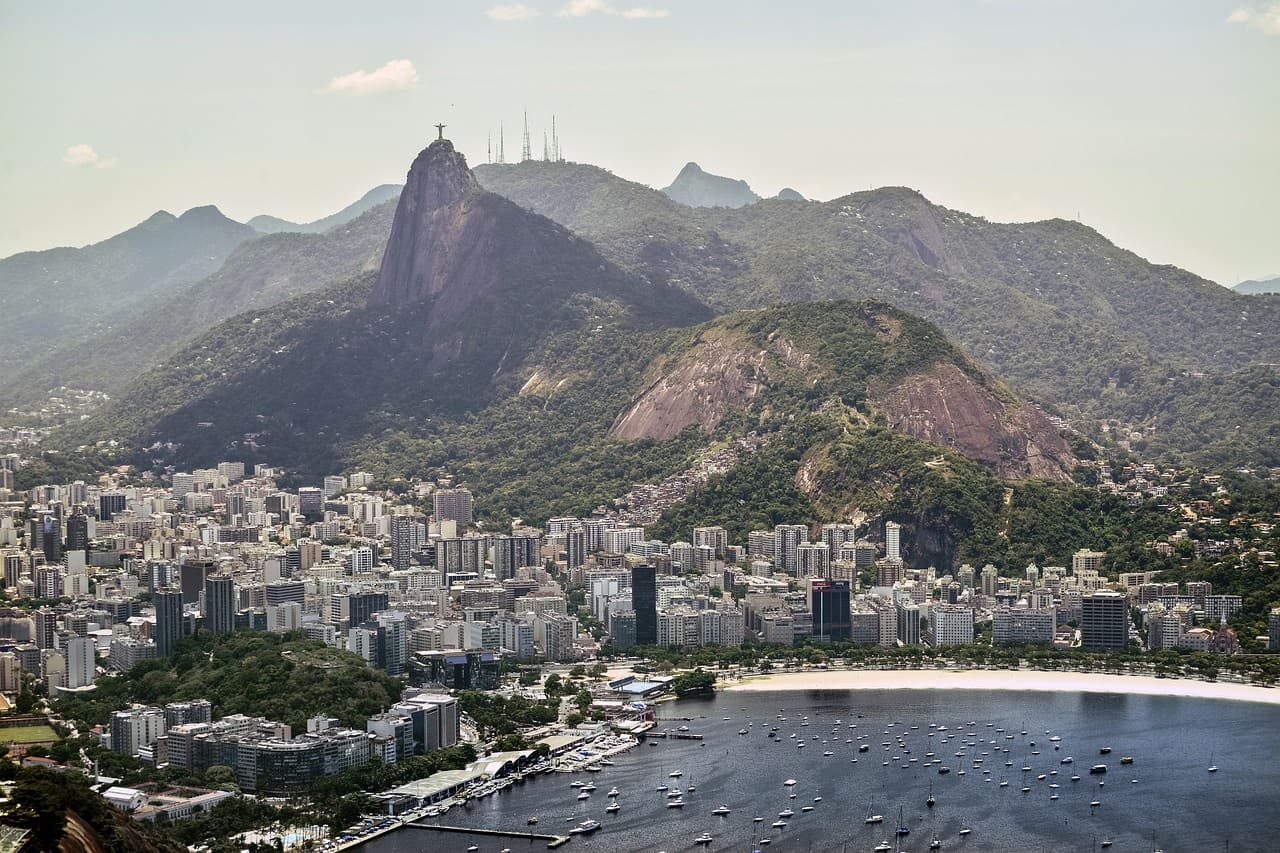
Rio de Janeiro offers the curved coast at Copacabana and the distinctive wave-pattern pavement beside it. A low, public promenade view can make the paving the foreground subject with the beach behind it. Sugarloaf, at 396 metres, belongs to another view of the city around Guanabara Bay. Avoid carrying excessive equipment onto a busy beach, and choose recognised routes and transport to viewpoints. The photograph should explain the coast's relation to urban life, not depend on a stranger being inserted into a staged scene without consent.
Close architecture beside water or hillside streets
11. Venice: a canal edge with working movement
In Venice, use a public bridge or canal-side route to frame a bend, a boat and the surrounding façades. The city and lagoon became a UNESCO site in 1987. A moving boat can make the scene more descriptive than waiting for all activity to disappear. Keep bridges passable and avoid attaching equipment to historic surfaces. Cannaregio offers smaller canal compositions, while the Accademia Bridge provides a broader Grand Canal subject. Pick one scale for the image rather than trying to include the entire city's identity in every frame.
12. Kyoto: a temple district with an access-aware composition
Kyoto's Higashiyama district provides rooflines, slopes and architectural detail near well-known temple routes. The main hall visitors see at Kiyomizu-dera was built in 1633, providing a specific historical subject rather than a generic temple backdrop. Choose a permitted viewpoint and read the specific photography notices before making an image. Gion's private lanes and restrictions are not interchangeable with every public street in Kyoto. Never follow performers or photograph people at close range without appropriate consent. A frame of a roof edge, stone path or garden detail can tell a more respectful and specific story than a crowded attempt to recreate one famous portrait.
Light, equipment and the difference between waiting and obstructing
One camera or phone is enough for the choices above. A wide lens helps describe setting, while a moderate zoom separates details and compresses a skyline. Strong midday light can be useful for texture and shadow rather than automatically being unsuitable. A clouded day often makes colour and ornament easier to read. Before buying equipment, practise making a straight façade image and a layered river view with the device you already carry.
For an illustrative 90-minute Porto photo walk, give the Gaia riverfront the first 30 minutes, use the bridge crossing for orientation rather than repeated stops, and finish with one street-level tile detail. That is a self-designed exercise, not a recommended commercial tour or guaranteed best-light schedule. The map can help locate the starting district, and the packing tool can organise practical weather protection without encouraging an excessive gear load.
Use the best-time planner for broad seasonal context and actual sunrise information for the travel date when the direction of light matters. Do not assume that early morning gives the same conditions in every latitude or season. Reserve paid viewpoints only when they add a perspective you want, then confirm their current access, equipment and photography rules once. A public alternative can be equally strong when a ticketed terrace is unavailable.
Captions, people and photographs worth keeping
A useful caption names the place accurately and avoids exaggeration. Describe Bo-Kaap as a Cape Town neighbourhood, not the appearance of the entire city; distinguish Dubai Marina from Downtown; explain whether a Venice view is from a public bridge or a purchased activity. The colour article already provides district context, so there is no need to invent a more dramatic origin story for the image.
People should remain participants in their own city life, rather than accessories in a visitor's composition. Ask for close portraits, follow instructions at religious sites and avoid photographing sensitive facilities. Drone use is a separate regulated activity, with rules that depend on country and location; an ordinary street-photography idea grants no drone permission. If a subject needs access you do not have, choose another photograph rather than trying to work around the restriction.
Give the camera a limit within the holiday. The city-break planning method can help leave time for meals, collections and conversation, while the destination finder keeps the city's wider appeal in view. A good photograph recalls something you noticed and understood. It does not need to prove that you found an angle nobody else has ever seen.
Frequently asked questions
Which city is best for a beginner with a phone camera?
Porto's opposite-bank riverfront, Prague's riverside layers and Lisbon's tile details offer clear subjects without requiring specialist equipment. Begin with a stable public position and a simple composition. The useful skill is selecting what belongs in the frame, rather than purchasing a device that promises to make every crowded scene dramatic.
Can I recreate any photograph I find online?
An online image may use private access, a paid set, commercial permissions or conditions that no longer apply. Read local notices and respect property boundaries before attempting the same position. If the shot depends on blocking a route, following a performer or entering a restricted lane, choose a publicly accessible alternative.
Should I take a tripod and a drone?
Neither is necessary for the ideas in this guide, and both introduce access questions beyond ordinary handheld photography. A tripod can obstruct narrow streets or be restricted at paid sites. Drone operation requires its own current legal and site-specific permissions, so decide on that separately rather than assuming a scenic city is open to aerial filming.
Links & Resources
Official tourism and planning sources
- Moroccan National Tourist Office: Chefchaouen: Visitor information for Chefchaouen
- Visit Lisboa: Visitor information for Lisbon
- Visit Porto: Visitor information for Porto
- Incredible India: Jaipur: Visitor information for Jaipur
- Paris visitor information: Visitor information for Paris
- Visit Dubai: Visitor information for Dubai
- Cape Town tourism: Visitor information for Cape Town
- Visit Brasil: Brazil's official tourism portal, including Rio de Janeiro
- Venezia Unica: Visitor information for Venice
- Prague tourism: Visitor information for Prague
- Kyoto Travel: Visitor information for Kyoto
- Moroccan National Tourist Office: Marrakesh: Visitor information for Marrakech